If you are considering scuba diving in Cuba, one of your first questions may be:
“Is diving in Cuba safe?”
The honest answer is that scuba diving in Cuba can be a safe and enjoyable experience when you choose an appropriate dive program, follow your training, dive within your limits and work with a responsible operator.
Like diving anywhere in the world, safety depends on several factors, not simply the country you are visiting.
Your experience level, health, equipment, weather, sea conditions, dive site and the quality of the dive operation all matter.
In this guide, we explain what beginners and certified divers should know before diving in Cuba.
At a Glance
| Question | What to Know |
|---|---|
| Is diving in Cuba safe? | It can be, when dives are properly planned and conducted within appropriate limits |
| Is Cuba suitable for beginners? | Yes, there are shallow, supervised introductory experiences |
| Can non-certified divers dive? | Yes, through an appropriate Discover Scuba program |
| What affects safety? | Experience, health, equipment, weather, sea conditions and dive-site selection |
| Beginner sites? | Playa Coral and selected Bacunayagua routes |
| Can conditions change? | Yes. Site selection should reflect conditions on the day |
| What should beginners do? | Follow the instructor, stay within program limits and communicate concerns |
| Are there sharks? | Shark encounters are possible in Cuba, but specific shark-diving experiences are planned separately |
| Is medical clearance required? | A medical questionnaire may be required, and some answers may require physician clearance |
Why the Dive Site and Conditions Matter
Cuba has a long coastline and many different diving environments.
Conditions are not identical everywhere.
Depending on the location and day, divers may encounter:
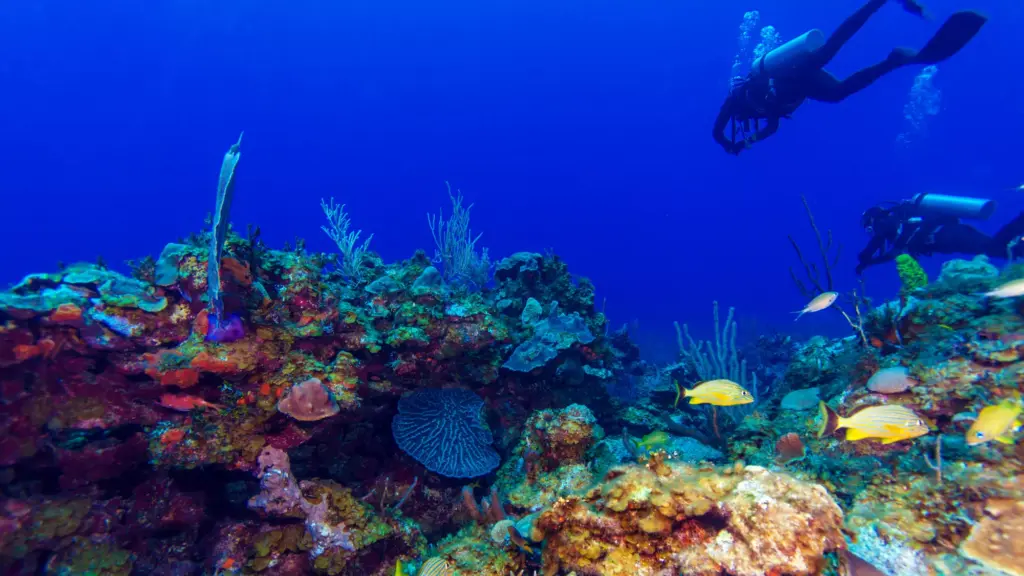
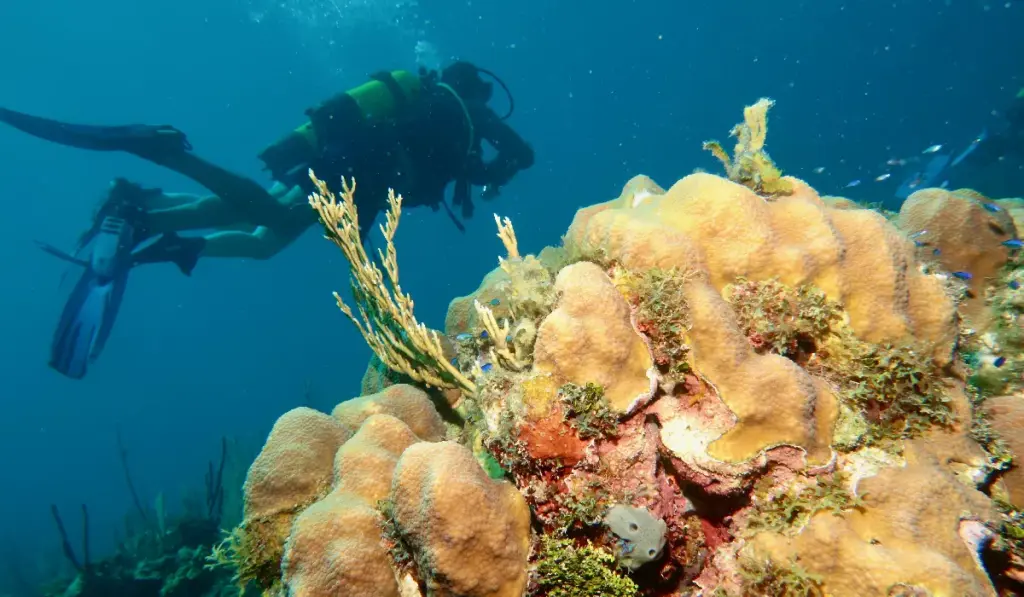
- • Shallow coral reefs
- • Deeper reef walls
- • Rocky coastlines
- • Shore-entry sites
- • Boat-accessed reefs
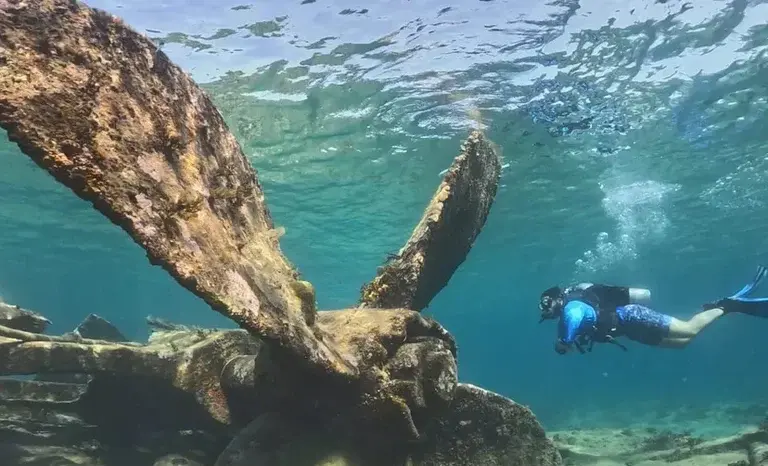
- • Wrecks
- • Caves or caverns at appropriate sites
- • Different current and visibility conditions
This means that a responsible operator should not treat every dive site as interchangeable.
The right site depends on your certification, experience, interests and the conditions at the time of the dive.
Varadero Has Several Beginner-Friendly Options
Around Varadero, sites such as Playa Coral provide accessible shallow reef diving, while selected routes at Bacunayagua can also accommodate different levels of experience.
But “beginner-friendly” does not mean that conditions are guaranteed to be calm every day.
Your guide should assess the conditions and choose an appropriate route.
What Actually Makes a Dive Safe?
A safe dive is not simply about having warm water or good visibility.
Good dive planning combines several things.
1. Appropriate Depth
You should stay within the depth limits of your training and the specific dive program.
Beginners participating in Discover Scuba experiences have more limited depth and supervision requirements than certified recreational divers.
Certified divers should also consider their certification, recent experience and comfort level—not just the maximum depth written on their certification card.
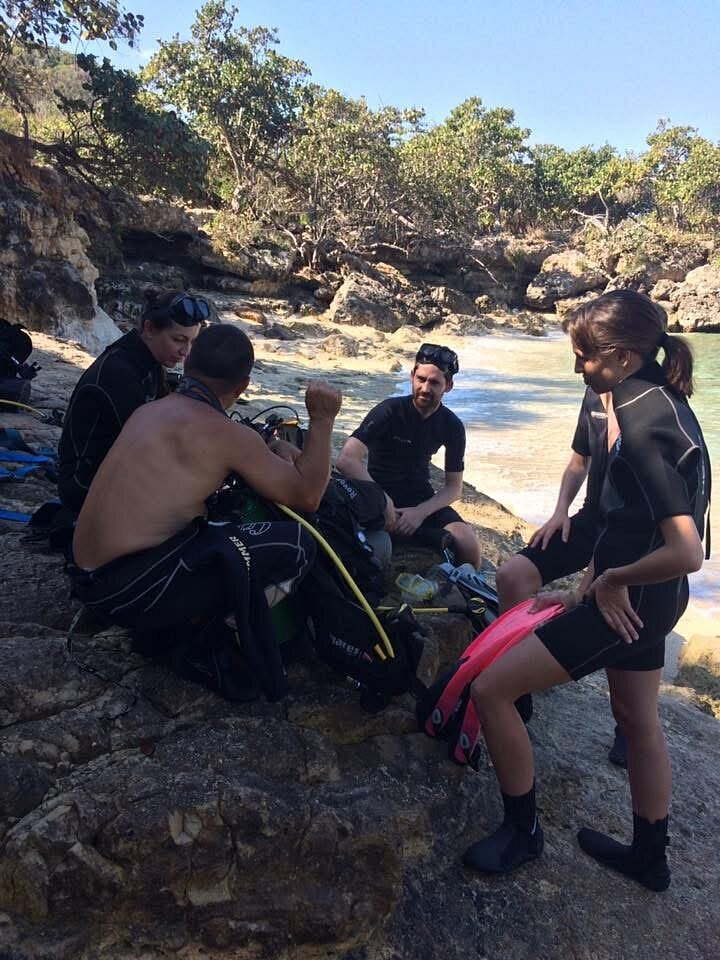
2. A Proper Briefing
Before entering the water, you should know:
- Where you are going
- How deep you are expected to go
- What marine life or site features you may see
- How the entry and exit will work
- What signals to use
- What to do if you become uncomfortable
- What to do if you lose contact with your buddy or guide
- How the dive will be ended
A good briefing gives you an opportunity to ask questions before the dive begins.
3. Equipment Checks
Your equipment should be appropriate for the dive and checked before entering the water.
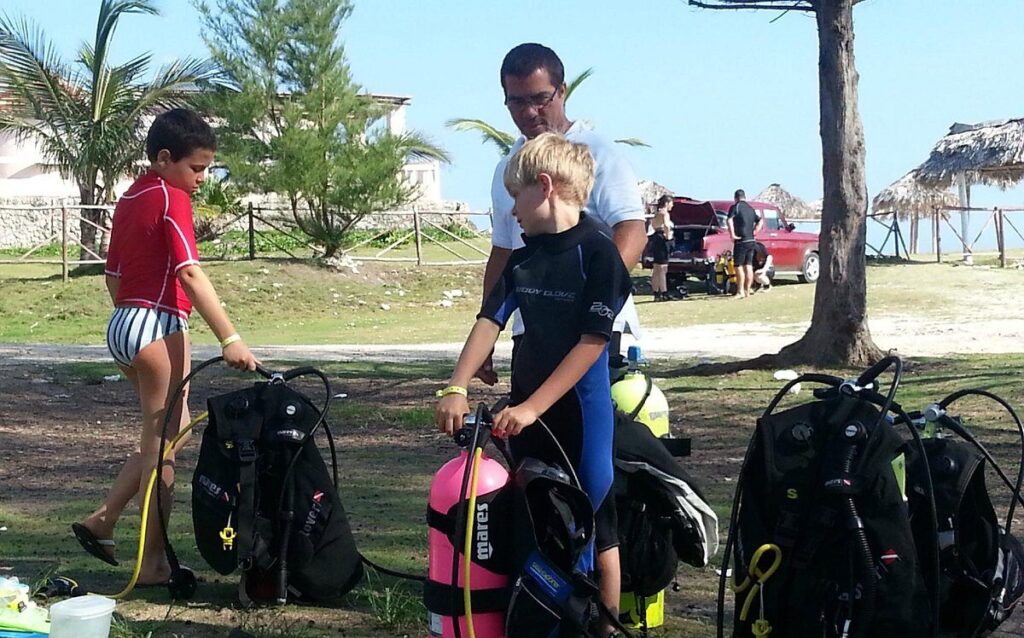
This includes the key scuba system components such as:
- Cylinder
- BCD
- Regulator
- Pressure gauge or dive computer
- Mask
- Fins
- Weight system
- Exposure protection when appropriate
You should also check that your equipment fits properly and tell your instructor or guide if something does not feel right.
4. Experience-Appropriate Dive Planning
A newly certified diver and an experienced diver should not necessarily receive the same dive plan.
A responsible operator should consider:
- Certification
- Number of previous dives
- How recently you last dived
- Comfort level
- Previous experience with similar conditions
- The type of dive being planned
The safest dive is not necessarily the deepest or most challenging dive.
It is the dive that matches the diver.
Is Cuba Safe for Beginner Divers?
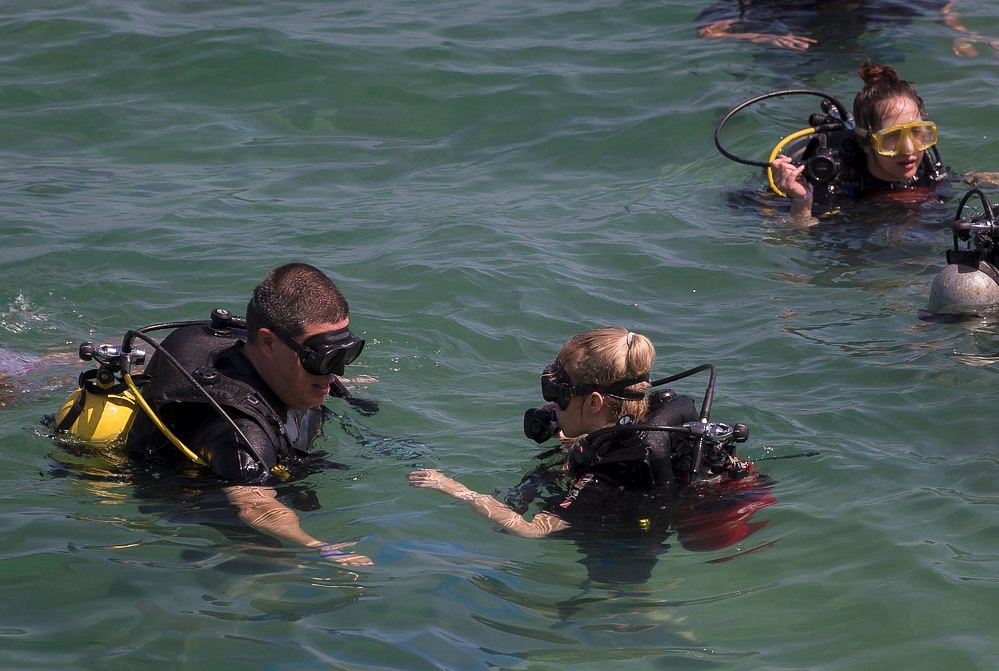
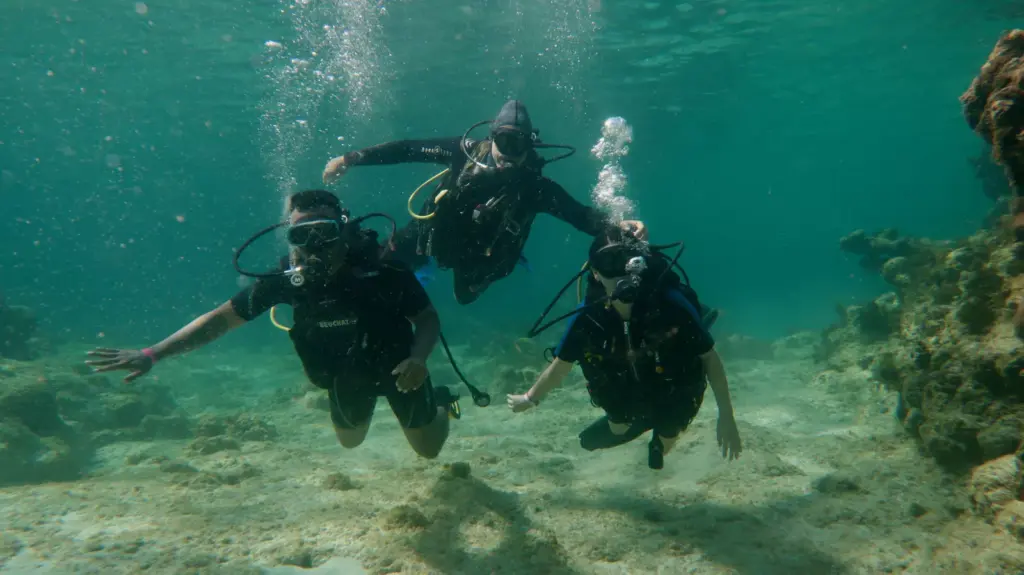
Yes, Cuba offers introductory diving experiences for people who are not yet certified.
One common option is Discover Scuba Diving.
The experience generally includes:
1. An introduction to scuba equipment
2. A safety and skills briefing
3. Practice in shallow water
4. Supervised underwater diving
5. An introductory reef experience where appropriate
The exact program, depth and duration depend on the operator, location, conditions and participant.
An Important Difference
Discover Scuba is an introductory experience, not a scuba certification.
After completing a Discover Scuba experience, you should not assume that you are qualified to rent equipment and dive independently.
If you want to become an independent recreational diver, you need a recognized scuba certification course.
What About Playa Coral?
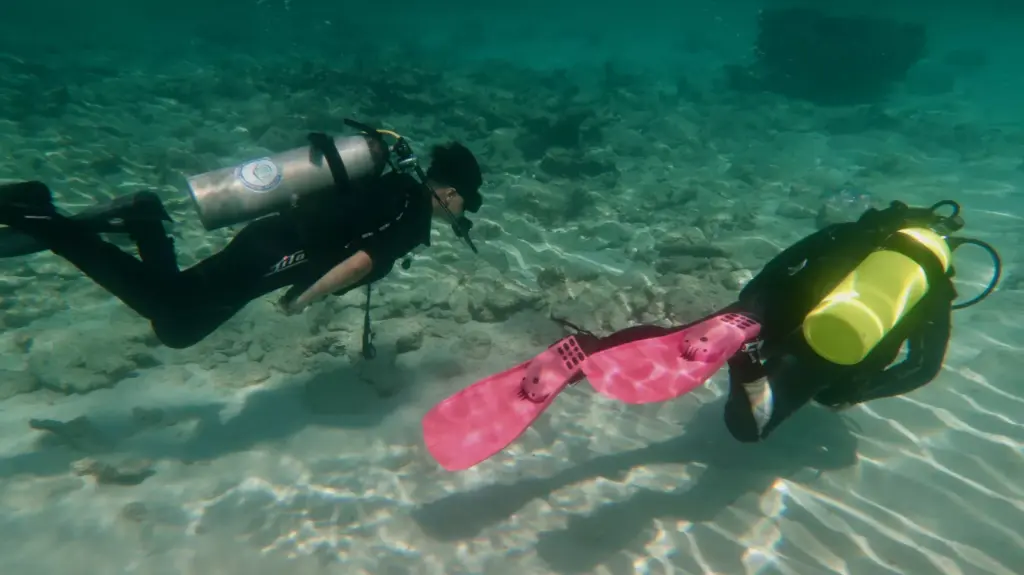
The reef can be reached from shore, and different routes allow divers with different levels of experience to explore according to their training and the conditions.
Beginners can stay in shallower areas, while more experienced divers can explore deeper sections when appropriate.
The important point is that the depth and route should match the diver, not the other way around.
What About Bacunayagua?
Bacunayagua offers another type of reef environment along Cuba’s north coast.
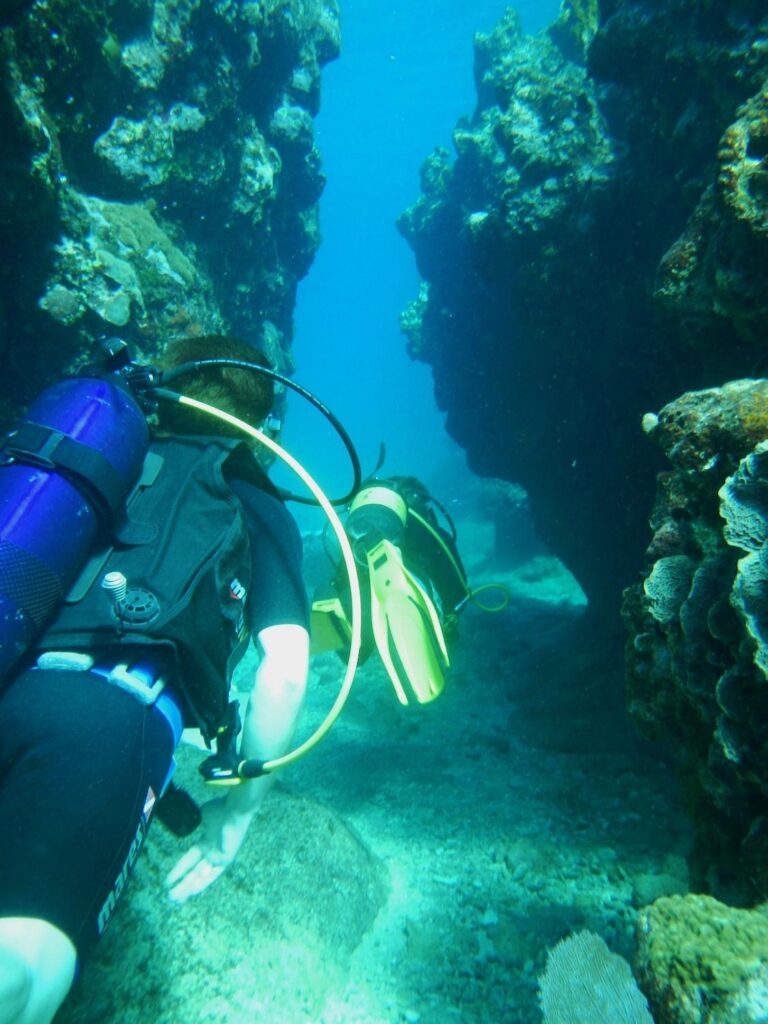
The dive begins in shallow water and can progress to deeper reef areas depending on the route, diver experience and conditions.
It is also an interesting option for divers who want to combine diving with the landscape above the water, including the famous Bacunayagua Bridge and Yumurí Valley.
The deeper reef wall associated with the area is not the same as the standard shallow shore route, so your dive plan should always be based on the actual site being visited.
What About Currents and Visibility?
These are two factors that can change from one dive site and day to another.
Some Cuban sites can have relatively mild conditions, while others may be affected by:
- Wind
- Tides
- Rainfall
- Local water movement
- Seasonal weather
- Site-specific currents
Visibility can also vary.
Rainfall and runoff may influence visibility in some coastal areas, while offshore and reef conditions can be different.
This is why a responsible dive operator should assess current conditions rather than promising identical visibility or sea conditions every day.
What Should You Do If Conditions Change?
If your guide recommends changing the site, route or timing of the dive because of conditions, that is generally a sign of sensible dive planning.
The goal is not to complete a predetermined itinerary at any cost.
The goal is to make a good decision based on the conditions available that day.
Is Diving Safe for Nervous Divers?
Being nervous before your first dive is completely normal.
You should tell your instructor before entering the water.
A good instructor can explain the equipment, demonstrate skills, give you time to become comfortable and help you progress at a reasonable pace.
You should never feel pressured to continue a dive if you are uncomfortable.
Good communication is one of the most important parts of diving safely.
If something does not feel right, tell your instructor or guide.
Health and Personal Considerations
Scuba diving places different demands on your body than swimming or snorkeling.
Before diving, consider whether you are:
- Comfortable in the water
- Able to follow instructions
- Physically able to participate in the planned activity
- Comfortable breathing through a regulator
- Able to equalize your ears
- In suitable general health for scuba diving
Dive operators may ask you to complete a medical questionnaire before participating.
Depending on your answers, you may need medical evaluation or clearance before diving.
If you have a medical condition, take medication or are unsure whether scuba diving is appropriate for you, discuss it with a qualified medical professional and your dive operator before entering the water.
What If You Cannot Equalize Your Ears?
Equalization problems are common concerns for new divers.
The most important rule is:
Never force your ears to equalize.
If you feel pressure or discomfort, stop your descent, communicate with your instructor and follow their guidance.
Taking your time is much better than trying to push through discomfort.
Is There Dangerous Marine Life in Cuba?
Cuba has a rich variety of marine life, including reef fish, rays, turtles, lobsters and other animals.
Most encounters with reef animals are simply opportunities to observe them.
The best approach is to:
- Keep a respectful distance
- Do not touch animals
- Do not chase wildlife
- Do not feed animals unless the activity is specifically designed and professionally managed for that purpose
- Follow your guide’s instructions
What About Sharks?
Sharks are part of Cuba’s marine environment, but seeing a shark while diving around Varadero is very different from participating in a dedicated shark-diving experience.
For example, Santa Lucía in Camagüey is known for guided bull shark encounters.
That is a specialized diving experience and should be planned according to the appropriate training, site conditions and operator procedures.
Is the Diving Equipment Safe?
Equipment quality depends on the operator and its maintenance practices.
When choosing a dive center, ask whether equipment is regularly inspected and maintained.
You can also check your own equipment before the dive and speak up if:
- A regulator does not breathe normally
- A BCD does not inflate or deflate correctly
- A mask does not fit
- A cylinder connection does not look correct
- Something feels damaged or uncomfortable
A responsible operator should take equipment concerns seriously.
Is Diving Regulated in Cuba?
Diving tourism in Cuba is conducted through organized dive operations and tourism facilities, but the practical standards and procedures can vary between operators and locations.
Rather than assuming that regulation alone guarantees a particular experience, look at the operator itself.
Ask about:
- Instructor qualifications
- Equipment maintenance
- Dive procedures
- Emergency planning
- Group sizes
- Site selection
- Certification requirements
- Environmental practices
That is one reason choosing the right operator matters.
A Safe Dive Is Also a Responsible Dive
Safety and environmental responsibility go together.
A diver who maintains good buoyancy, secures their equipment and avoids touching the reef is not only protecting the environment, they are also reducing the chance of accidental contact and improving their own control underwater.
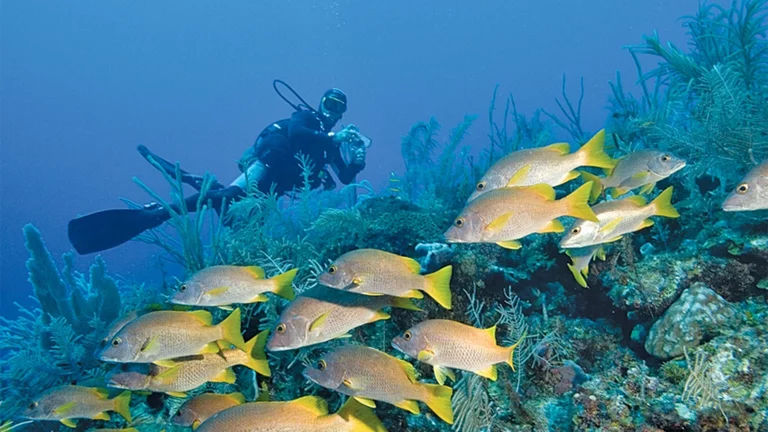
Responsible diving includes:
- Good buoyancy
- No touching coral
- No collecting
- Respectful wildlife encounters
- Properly secured equipment
- Following the guide’s instructions
- Staying within your limits
Start With the Right Experience
If you are not certified, start with an appropriately supervised introductory experience.
If you are certified, tell your operator about your experience and what type of diving you enjoy.
You may prefer:
- Shallow coral reefs
- Marine-life dives
- Shore diving
- Wrecks
- Deeper reef sites
- Photography
- Several different sites during your trip
There is no prize for choosing the most difficult dive.
The best experience is the one that matches your ability, interests and comfort level.
What You Can Do to Make Your Dive Safer
Before your dive:
- Be honest about your experience
- Tell your guide if you are nervous
- Check your equipment
- Listen carefully to the briefing
- Ask questions if you do not understand something
- Follow your training
- Stay within your limits
During the dive:
- Monitor your air supply
- Maintain good buoyancy
- Stay aware of your buddy and guide
- Communicate problems early
- Never force an equalization
- Follow the planned depth and route
- End the dive when appropriate
- ter the dive:
- Follow your operator’s surface-interval guidance
- Stay hydrated
- Follow safe post-dive practices
- Tell your guide about any problems or concerns
So, Is Diving in Cuba Safe?
It can be.
But the answer should never be based simply on the destination.
Safe diving comes from combining:
The right diver + the right equipment + the right site + the right conditions + responsible dive planning.
For beginners, Cuba offers supervised introductory experiences and accessible reef sites around destinations such as Varadero.
For certified divers, Cuba offers a much wider range of reefs, walls, wrecks and specialized diving experiences.
The key is choosing a dive that matches your training, health, experience and comfort level.
Dive With Confidence
Still wondering whether diving in Cuba is right for you?
Tell Scuba Vida:
- Your travel dates
- Your certification level
- How recently you last dived
- How many dives you have completed
- Whether you are a first-time diver
- What type of diving interests you
We’ll help you understand which dive experience may be appropriate for your trip, experience level and the conditions.
Your first dive should feel like an exciting new experience, not something you were pressured into doing.
About Scuba Vida
Scuba Vida is a local dive center based in Varadero, Cuba, offering scuba diving, snorkeling, courses and guided underwater experiences around Varadero and nearby destinations.
Our goal is to make diving accessible, enjoyable and responsible while helping visitors discover Cuba’s underwater world.