If you travel west from Varadero toward Havana, Cuba’s northern coastline gradually changes character.
The long sandy beaches around Varadero give way to rocky coastline, smaller coves, reef areas and more exposed sections of the Atlantic coast. Underwater, the scenery becomes equally varied, with coral gardens, reef slopes, walls, caves and historic wrecks.
This stretch of coast is not simply one continuous dive site. It is a collection of different reef areas and dive locations, some well established and others better understood through local knowledge and current conditions.
For divers who want to explore beyond the most familiar Varadero sites, the coastline between Matanzas and Havana offers something different: less predictable, more varied and often more exploratory diving.
Local Insight: Along this part of Cuba’s coast, the conditions on the day matter. Our local guides choose dive sites according to sea conditions, diver experience and what the reef is offering rather than treating every location as a fixed itinerary.
At a Glance
Area Typical depth Main features Best suited for
Matanzas Bay / Punta Sabanilla 12–28+ m depending on route Reef walls, rocky structures, wreck remains Intermediate to advanced divers
Bacunayagua 1–20 m depending on route Coral heads, channels, reef slopes Beginners to experienced divers
Jibacoa coast Around 10–20 m on selected routes Coral gardens, rocky reef, quieter sites Certified divers
Havana coast Approximately 5–35 m depending on site Reefs, caves, walls and wrecks Different experience levels
Boca de Caldera Varies by route Coral garden, caves and wall Divers comfortable with shore access and local conditions
Coral Island / Havana wreck areas Deeper wreck diving Wreck structure and marine life Experienced divers
Depths and access vary between individual dive sites and routes. Local operators should select the site according to conditions, certification and experience.
Matanzas Bay: Where Reef Meets History
Closer to Matanzas, the underwater landscape becomes more closely connected with the city’s long maritime and industrial history.
One of the better-known diving areas is Punta Sabanilla, where reef walls and shipwreck remains create a different experience from the shallow coral gardens around Varadero.
Dive Profile
• Depth: approximately 12–28 m on established routes, with some Scuba Vida listings reaching around 30 m
• Type: reef and wall diving with wreck remains
• Access: depending on the site, shore or boat
• Level: generally more suitable for intermediate and advanced divers on deeper routes
The attraction here is the combination of natural reef formations and historical remains.
Rather than expecting a classic shallow tropical garden throughout the dive, you may encounter rocky structures, reef walls, sponges and pieces of maritime history integrated into the underwater landscape.
It is an interesting option for divers who enjoy topography and history as much as coral scenery.
Punta Sabanilla and the Smaller Reef Areas
Along the coast between Matanzas and Varadero, there are also smaller reef sections and local dive areas that do not always have the same profile as the major tourist sites.
Punta Sabanilla is one of the more recognizable names, while other routes are selected locally depending on sea conditions and the interests of the group.
What You May Find
• Coral colonies and gorgonians
• Rocky reef structures
• Schools of reef fish
• Sponges and other reef growth
• Deeper walls and slopes on selected routes
• Fewer divers than at some of Varadero’s most popular sites
The character of these dives can change considerably with the weather, sea state and exact site selected.
That is part of their appeal.
Instead of following a single heavily standardized route, local knowledge becomes particularly valuable.
Bacunayagua Reef: Where the Landscape Changes
Bacunayagua is one of the most interesting diving areas near the transition between Matanzas and the Havana side of the north coast.
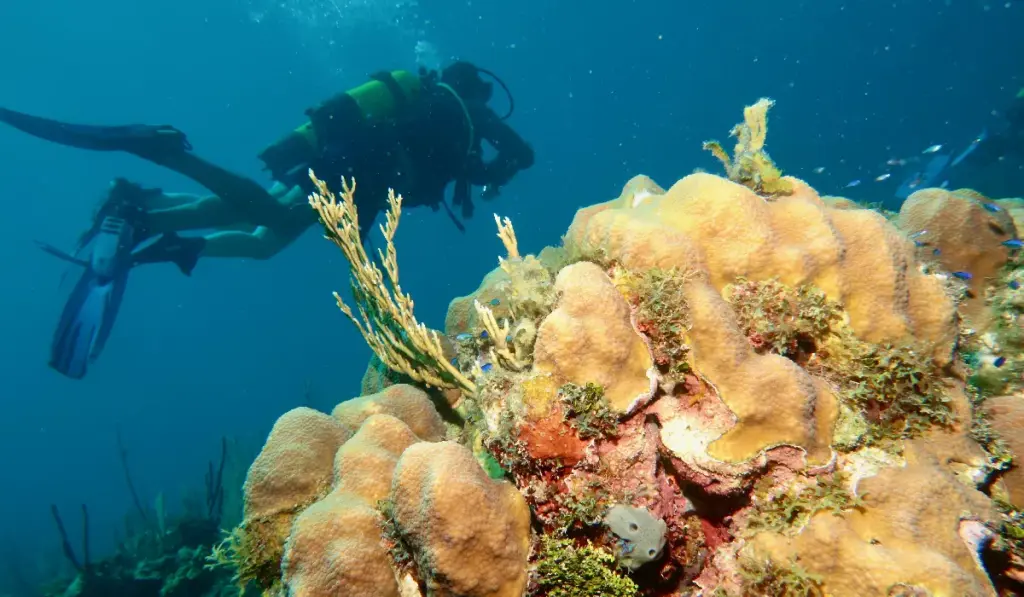
Above the water, the area is famous for the Bacunayagua Bridge and the dramatic Yumurí Valley. Below the surface, reef slopes, coral heads and channels create a very different landscape from the sandy beaches of Varadero.
Dive Profile
• Typical depth: around 10–20 m on the main reef routes
• Shore entry: begins in very shallow water
• Type: coral reef, slopes and channels
• Level: suitable routes for beginners through experienced certified divers
• Wall: deeper wall sections are accessed separately and should not be confused with the standard shore route
One of the advantages of Bacunayagua is that the dive can begin extremely shallow before gradually moving over coral formations and reef structure.
Depending on the route, divers may swim through channels between coral heads or explore more complex reef formations.
The deeper wall experience is a different proposition and is better treated as a boat-accessed dive rather than something reached from the normal shore entry.
What Makes Bacunayagua Special?
Bacunayagua combines two experiences that are difficult to separate: the landscape above the water and the reef below it.
You can start the day looking across the valley and bridge and later find yourself underwater among coral formations, sea fans and tropical reef fish.
The underwater environment is not necessarily about dramatic drop-offs on every dive. Instead, the combination of reef structure, depth and surrounding landscape makes Bacunayagua memorable.
Jibacoa Coast and the Smaller Reefs
Further west, the coastline around Jibacoa and nearby coves offers additional reef areas and smaller dive locations.
The area is particularly interesting for divers who enjoy exploring coral gardens and rocky reef rather than visiting a single famous landmark.
Typical Characteristics
• Coral gardens and reef patches
• Rocky formations
• Coral heads mixed with sandy areas
• Reef fish and other tropical marine life
• Selected shore and short-boat routes
• Depths commonly around 10–20 m depending on the site
These locations are not all interchangeable, and conditions can determine which route is appropriate on a particular day.
For that reason, this part of the coast is best approached as a region to explore rather than a fixed list of guaranteed dive sites.
Diving Near Havana: Wrecks, Walls and History
As you continue toward Havana, the diving landscape becomes increasingly varied.
The Havana coastline has established dive areas featuring coral gardens, caves, walls and wrecks. Cuba’s tourism infrastructure also includes several diving centers and nautical bases around Havana, including areas around Tarará and Marina Hemingway.
Some of the better-known Havana dive sites include Boca de Caldera, Coral Island and the Sánchez Barcáiztegui wreck.
Sánchez Barcáiztegui Wreck
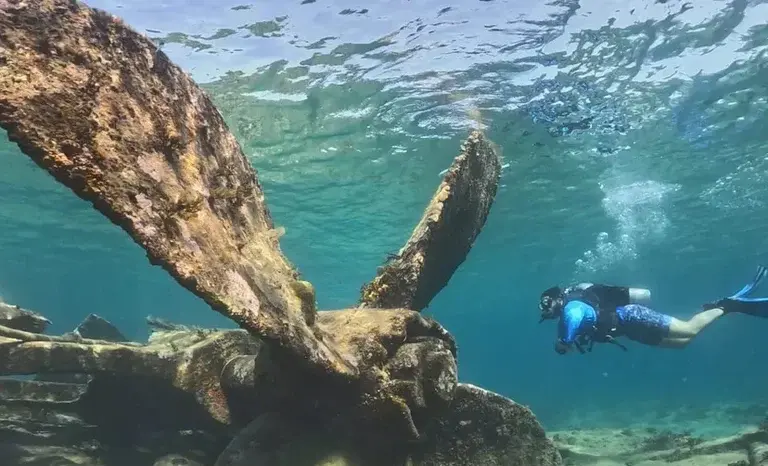
The Sánchez Barcáiztegui is one of Havana’s most historically significant wrecks.
The Spanish naval vessel sank in 1895 after a collision near the entrance to Havana. Historical sources place the wreck in the area of the harbor entrance at approximately 22–25 m.
Today, it is associated with advanced wreck diving and marine life around the underwater remains.
For divers interested in combining underwater history with deeper diving, it is one of the most distinctive wreck experiences in the Havana area.
Because of its depth, history and wreck environment, it should be approached with the appropriate training, experience and local guidance.
Boca de Caldera
Boca de Caldera offers a completely different experience.
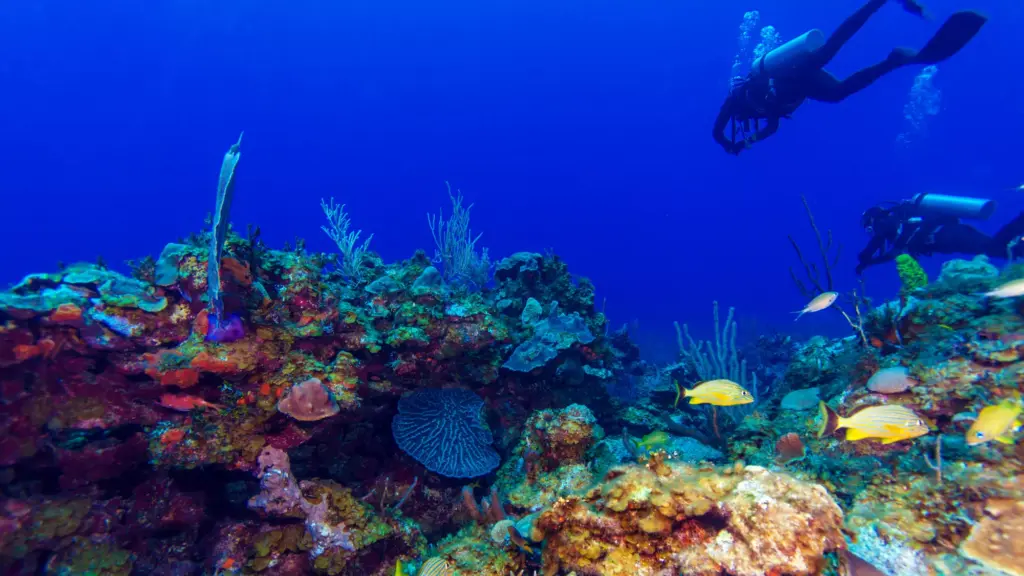
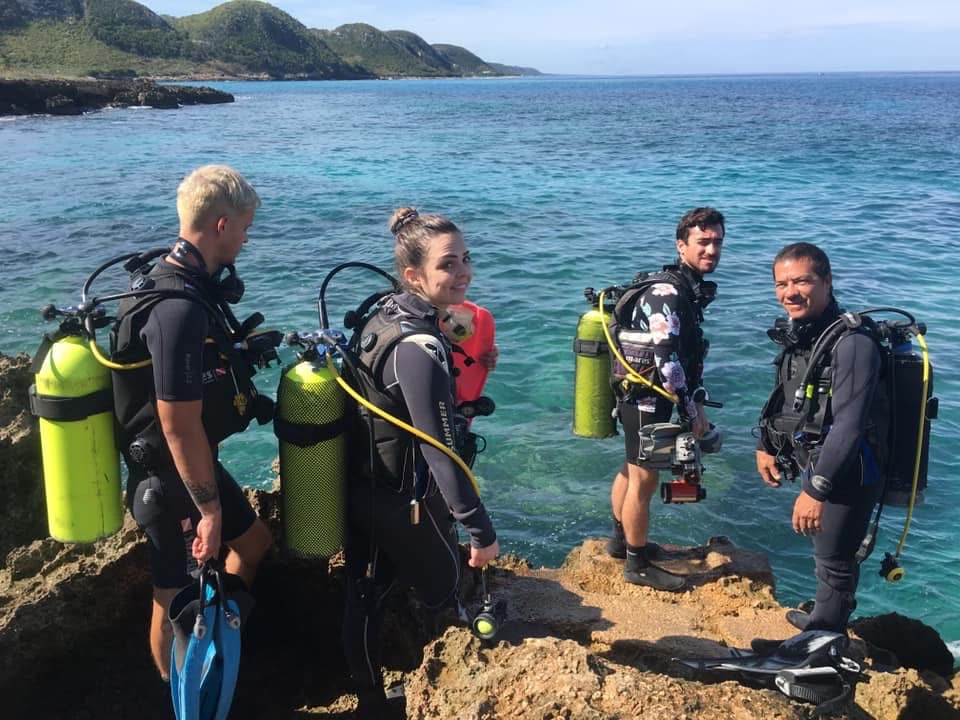
Rather than being primarily a historic wreck dive, it is known for coral gardens, caves and a reef wall. Diving sources describe access from the rocky coast followed by a swim before reaching the deeper reef structure.
Underwater, expect a mixture of:
• Coral formations
• Sponges
• Gorgonians
• Small caves and cavities
• Tropical reef fish
• Reef walls and rocky structures
It is a good example of why the Havana coastline should not be thought of only as a wreck-diving destination.
Coral Island
Coral Island is another well-known Havana wreck.
The former merchant vessel has become an artificial reef, with coral, sponges and other marine growth covering the wreck structure. It is generally associated with more experienced wreck divers.
The combination of metal structure and marine growth makes wrecks such as Coral Island particularly interesting for underwater photography.
What Marine Life Can You See?
The exact species depend on the site, depth and conditions, but the reefs along this part of Cuba can support a familiar Caribbean mix of reef life.
You may encounter:
• Parrotfish
• Snappers
• Groupers
• Angelfish
• Moray eels
• Lobsters
• Gorgonians
• Sponges
• Reef fish around wrecks and rocky structures
• Occasional larger pelagic species
Wrecks can become particularly productive habitat because their structure provides shelter and surfaces for marine organisms to colonize.
How Does Diving Here Compare With Varadero?
If your main reference point is Varadero, the difference is noticeable.
Varadero
Varadero offers convenient access to a range of established dive sites, including shallow reefs, shore dives and wrecks. Playa Coral and Bacunayagua are particularly useful for divers who want accessible reef diving near their accommodation.
Between Matanzas and Havana
This stretch is more about exploration and variety.
You may encounter:
• More rocky coastline
• Greater exposure to open-water conditions
• Reef slopes and walls
• Historic wrecks
• Smaller or less frequently visited reef areas
• A wider range of dive profiles
It is not necessarily “better” than Varadero. It is simply different.
Is the North Coast Untouched?
We would be careful with the word untouched.
These waters are not completely untouched, and some locations have long histories of diving, fishing, shipping and human activity.
What makes the region feel wild is its less standardized character.
Some sites are less prominent in international dive guides. Others depend heavily on local knowledge and current conditions. The coastline also contains a mixture of developed and quieter areas rather than one continuous tourist zone.
That creates a feeling of exploration that can be difficult to find at heavily visited dive destinations.
Why Local Knowledge Matters
This is one of the most important reasons to dive this coastline with a local guide.
Conditions can influence:
• Which site is suitable
• Whether a shore or boat entry is preferable
• Current and surge
• Visibility
• Depth selection
• Entry and exit conditions
• Whether a particular route is appropriate for the group’s experience
A good local guide does more than show you where the reef is.
They help match the site to the people and the conditions on that day.
Scuba Vida Local Insight: We do not treat every dive day as a fixed itinerary. Along the north coast, conditions and diver experience can make one site a much better choice than another. That flexibility is part of the experience.
Best For Divers Who Want More Than the Standard Route
This part of Cuba is especially appealing if you:
• Have already explored the main Varadero sites
• Enjoy reef topography and walls
• Are interested in wreck diving
• Like underwater photography
• Want to explore quieter locations
• Prefer local knowledge over highly standardized dive itineraries
• Are comfortable adapting your plans to conditions
For newer divers, there are also shallower reef routes in the region, but the deeper walls and historic wrecks require appropriate certification and experience.
Responsible Diving Along Cuba’s North Coast
The quieter character of these sites makes responsible diving especially important.
Please:
• Maintain good buoyancy around coral
• Avoid touching corals and marine life
• Do not remove wreck artifacts or marine material
• Never enter a wreck or enclosed space unless specifically trained and the site is considered appropriate for penetration
• Follow local guide instructions
• Avoid chasing or disturbing marine animals
• Keep equipment secured to prevent contact with the reef
• Take only photographs and leave the site as you found it
Wrecks are underwater cultural heritage as well as dive sites. Treat them accordingly.
Planning Your Dive Between Matanzas and Havana
There is no single “Matanzas to Havana dive.”
Instead, think of this coastline as a collection of different experiences.
You might combine:
Bacunayagua for reef diving and scenery
Punta Sabanilla for deeper reef and wall terrain
Jibacoa for quieter reef exploration
Havana for caves, walls and historic wrecks
The best combination depends on your certification, experience, available time and the conditions during your trip.
If you are staying in Varadero, you also do not necessarily need to move your accommodation to explore this region. Some sites can be incorporated into a longer diving day depending on the exact route and conditions.
Explore Beyond the Familiar Dive Sites
The north coast between Matanzas and Havana is not about finding one perfect reef.
It is about variety.
One dive may take you over shallow coral formations. Another may lead toward a deeper reef wall. Another may put you beside a historic wreck covered with marine growth.
And sometimes the most interesting part is simply seeing a section of coastline that you would never have experienced from the beach.
That is what makes this region special.
The diving here feels local, varied and exploratory — and the conditions and local knowledge are part of the adventure.
Ready to Explore Cuba’s Wild North Coast?
If you want to go beyond the standard dive routes, talk to Scuba Vida about combining the Varadero area with selected sites toward Matanzas and Havana.
We can help choose the right locations according to your certification, experience, interests and the conditions on the day.
Explore the reefs. Discover the wrecks. See a different side of Cuba’s north coast.
Related Articles
• Hidden Dive Sites Between Varadero and Matanzas
• Bacunayagua Diving Cuba: Coral Reefs, Marine Life & Cuba’s Highest Bridge
• Top 5 Coral Reef Dive Sites in Matanzas Province, Cuba
• The Best Dive Sites in Cuba: A Guide to Varadero & Beyond
• Best Time of Year to Dive in Cuba
About Scuba Vida
Scuba Vida is a local dive operation based in Varadero, Cuba, offering guided scuba diving, snorkeling and customized diving experiences along the Cuban coast.
Our approach is simple: small groups, local knowledge, responsible diving and choosing the right site for the conditions.