Choosing a dive operator in Cuba is about more than finding the lowest price or the closest dive center.
The right operator should help you have a better experience while putting safety, honest communication, local knowledge and respect for the marine environment first.
This is especially important if you are visiting Cuba for your first dive, traveling with family, or exploring sites you do not know.
So how can you tell whether a dive operator is responsible?
Here are the things we recommend looking for before you book.
At a Glance
What to Check What a Responsible Operator Should Do
Safety Maintain equipment, provide briefings and plan dives appropriately
Experience level Match the dive to your certification, experience and comfort
Equipment Use appropriate, maintained equipment and check it before diving
Group size Keep groups manageable for the site and experience level
Local knowledge Choose sites according to conditions, not just a fixed schedule
Communication Clearly explain what is included and what to expect
Marine life Promote no-touch, no-collection and responsible wildlife practices
Environment Reduce unnecessary impact on reefs and marine habitats
Service Listen to what you actually want from your dive
1. Safety Should Always Come First
A responsible dive operator should treat safety as part of every dive—not as something added only when conditions become difficult.
Before booking, look for signs that the operator takes preparation seriously.
This can include:
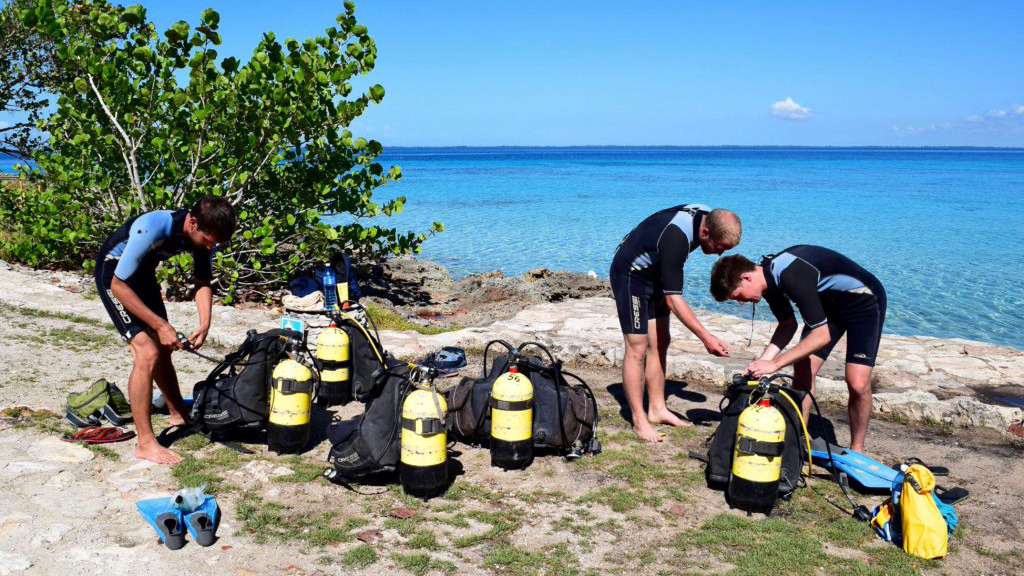
• Well-maintained and appropriate diving equipment
• Pre-dive equipment checks
• Clear safety briefings
• Attention to your certification and experience
• Appropriate dive depths and profiles
• Clear communication between guides and divers
• Dive plans that take weather and sea conditions into account
• Emergency procedures appropriate to the operation
A good operator should also be willing to change a plan when conditions or circumstances require it.
That might mean choosing a different dive site, changing the order of dives or postponing a dive when conditions are unsuitable.
Safety Should Match Your Experience
A newly certified diver should not automatically be treated the same as someone with hundreds of dives.
A responsible operator should ask about your:
• Certification level
• Recent diving experience
• Previous dive conditions
• Comfort in the water
• Interests and expectations
The goal is not to prove how deep you can go.
The goal is to choose a dive that is appropriate for you, the site and the conditions on that day.
2. Look at the Condition of the Equipment
You do not need to be a technical expert to ask sensible questions about equipment.
A professional operation should have a system for maintaining and checking its scuba equipment.
Depending on the type of dive, this can include:
• BCDs
• Regulators
• Cylinders
• Pressure gauges or dive computers
• Masks and fins
• Exposure protection
• Weights and weight systems
You should also feel comfortable asking whether equipment is inspected and maintained regularly.
If something does not look or feel right, mention it before entering the water.
A responsible operator should take your concern seriously rather than encouraging you to simply “try it anyway.”
3. Respect for Marine Life Matters
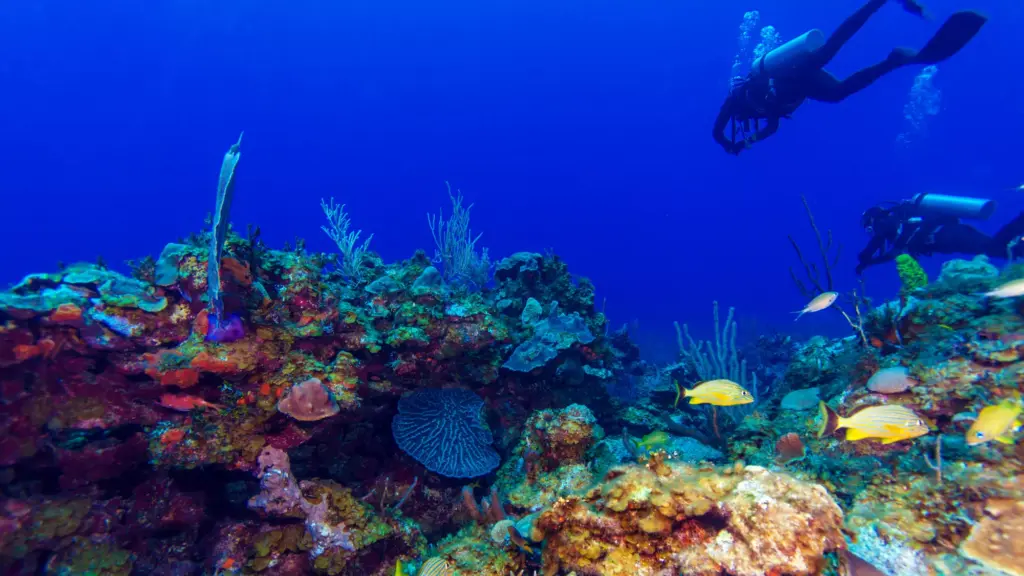
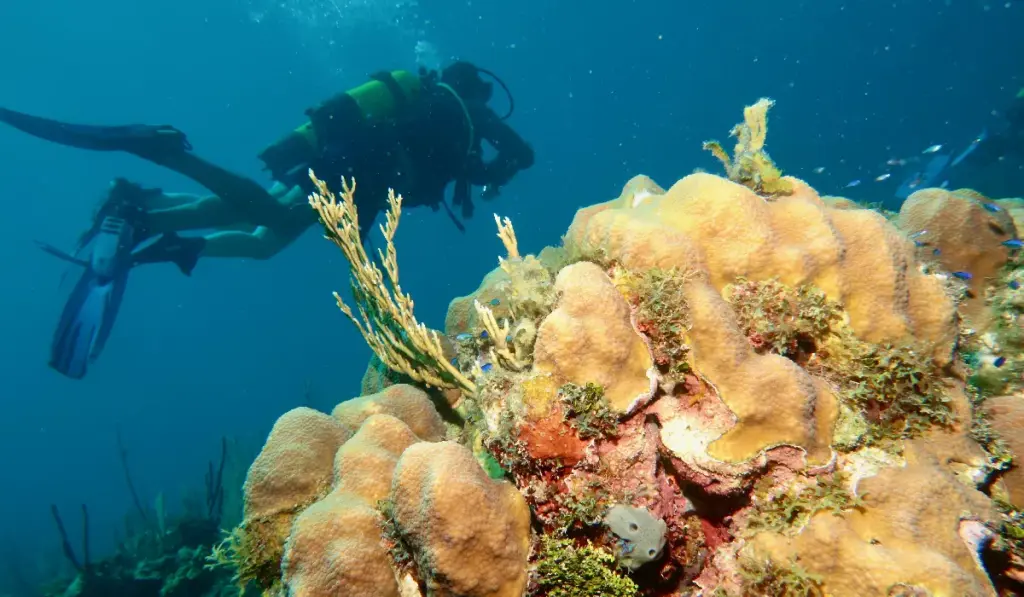
Cuba’s coral reefs and coastal ecosystems are part of what makes diving here so special.
But reefs are living environments, not underwater attractions.
A responsible dive operator should encourage divers to minimize their impact.
Look for operators who teach practices such as:
• Do not touch coral
• Do not stand on the reef
• Do not collect shells, coral or marine life
• Maintain good buoyancy
• Keep equipment secured
• Avoid chasing or touching animals
• Maintain an appropriate distance from wildlife
• Take photographs without manipulating animals or reef organisms
Good buoyancy is particularly important.
A diver who can control their position in the water is much less likely to accidentally kick, grab or rest on fragile coral.
Responsible Diving Is More Than Saying “Don’t Touch”
A good dive briefing should explain how to interact responsibly with the environment.
For example, photographers may need reminders to control their position before concentrating on the camera.
New divers may need help understanding how their fins and equipment can affect the reef.
Small details like these can make a meaningful difference.
Read more:
Marine Life & Conservation in Cuba: A Diver’s Guide to Protecting Our Oceans
Coral Bleaching in Cuba: What Divers Need to Know
4. Local Knowledge Can Make a Big Difference
One of the advantages of diving with a genuinely local operation is knowing that the dive plan can be adapted to the area.
Sea conditions, wind, visibility, currents and weather can influence which sites are appropriate on a particular day.
An experienced local guide can help answer questions such as:
• Which site suits your experience?
• What are the conditions likely to be today?
• Is a shore or boat dive more appropriate?
• Which site offers the type of marine life you want to see?
• Would another site provide a better experience today?
• Should a planned dive be changed because of the weather?
This is more useful than simply following a fixed list of dive sites regardless of conditions.
Conditions Can Change
Even if a site was excellent yesterday, conditions can be different today.
Responsible dive planning means accepting that flexibility is sometimes part of diving.
For more information, see:
Best Time of Year to Dive in Cuba
The Best Dive Sites in Cuba: A Guide to Varadero & Beyond
5. Look for Honest Communication
A trustworthy dive operator should explain clearly what you are booking.
Before confirming a dive, make sure you understand:
• What is included in the price
• Equipment included or available
• Transportation arrangements
• Number of dives
• Approximate dive duration
• Expected depth
• Whether the dive is from shore or boat
• Certification requirements
• Any additional fees
• What happens if weather affects the plan
Good communication also means setting realistic expectations.
If you are a beginner, the right recommendation may be a Discover Scuba experience rather than a more advanced dive.
If you are certified but have not dived for several years, a guide may recommend a simpler site first.
That is not limiting your experience.
It is matching the dive to your current situation.
6. Ask About Group Size
Group size can have a noticeable effect on your diving experience.
Smaller groups can make it easier for an instructor or guide to understand what individual divers need and communicate with the group underwater.
This can be particularly valuable for:
• First-time divers
• Nervous divers
• Families
• Divers returning after a long break
• Photographers
• Divers with different experience levels
However, group size is only one part of good dive management.
A responsible operator should consider the site, conditions, experience of the divers and the number of guides available—not simply advertise a small number as a guarantee of quality.
7. Look for Responsible Environmental Practices
Responsible diving should extend beyond what happens underwater.
When comparing operators, consider whether they show an understanding of their impact on the local environment and community.
This can include:
• Reef-conscious dive briefings
• No-touch and no-collection policies
• Responsible wildlife interactions
• Careful anchoring or mooring practices where applicable
• Avoiding unnecessary damage to reefs
• Supporting local guides and staff
• Working with local knowledge rather than treating the destination as a generic tourism product
Sustainable diving does not mean that an operator has to make dramatic claims about being “100% eco-friendly.”
Look for practical actions instead.
8. Choose an Operator That Listens to You
Your ideal dive may not be the same as another diver’s.
You may want:
• A relaxed shallow reef dive
• Underwater photography
• Marine life
• A wreck
• A shore dive
• A Discover Scuba experience
• A deeper dive
• Several different dive sites during your stay
A responsible operator should ask what you want to experience.
For example, someone interested in photography may benefit from a different site or dive plan than someone looking for a challenging wreck dive.
The best recommendation is not necessarily the most expensive one.
It is the one that fits your goals, experience and conditions.
What a Good Dive Experience Can Look Like
Start With the Right Experience
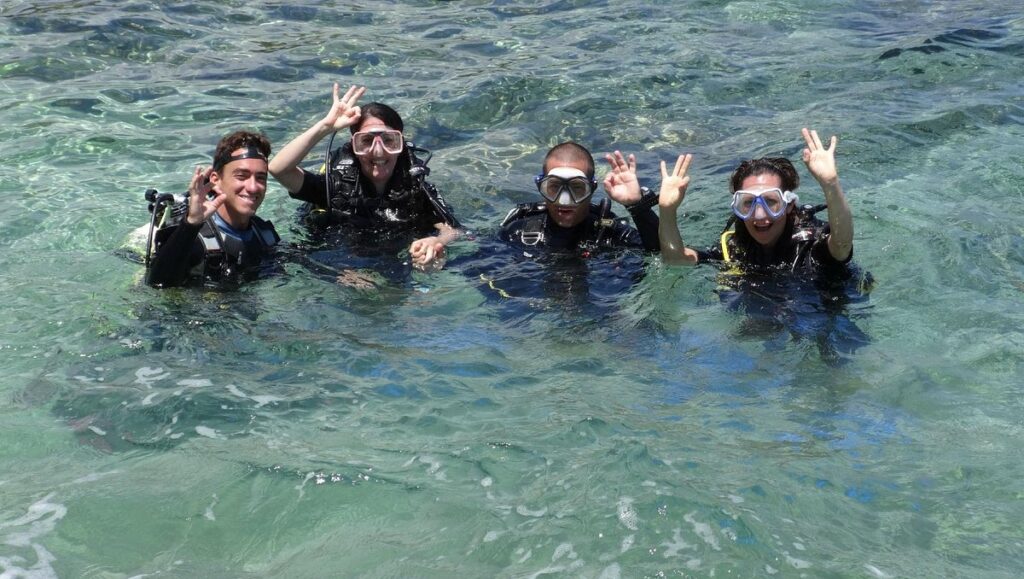
For a first-time diver, the experience should begin with preparation rather than immediately heading into deeper water.
A typical introductory experience may include:
1. Meeting your instructor
2. Learning about the equipment
3. Receiving a safety and diving briefing
4. Practicing basic skills in shallow water
5. Entering the water with professional supervision
6. Exploring an appropriate dive site
7. Reviewing the experience afterward
The exact program, depth and duration depend on the operator, location, conditions and participant.
Playa Coral – Varadero
Playa Coral is one example of a local reef environment where introductory diving can take place.
The reef is accessible from shore and includes shallow areas suitable for beginner experiences, while more experienced divers can explore deeper sections according to their training and the conditions.
Discover Scuba Diving
If you are not certified, ask whether the operator offers a properly supervised Discover Scuba experience.
This gives beginners an opportunity to learn basic scuba skills and experience breathing underwater without pretending that they have completed a full certification course.
Remember:
Discover Scuba is not the same as becoming a certified diver.
If you want to learn more, read:
Do You Need Certification to Dive in Cuba?
What to Expect From Your First Dive in Cuba: A Beginner’s Guide
A Simple Checklist Before You Book
Before choosing a dive operator in Cuba, ask yourself:
Safety
• Do they ask about my experience?
• Do they explain the dive plan?
• Do they take equipment and conditions seriously?
Experience
• Is the dive appropriate for my certification?
• Can they accommodate beginners or nervous divers?
• Can they offer different sites for different experience levels?
Communication
• Is the price clear?
• Do I understand what is included?
• Have they answered my questions directly?
Environment
• Do they promote responsible diving?
• Do they discourage touching or collecting?
• Do they explain how to protect the reef?
Local knowledge
• Do they adapt the dive plan to conditions?
• Can they explain why they have selected a particular site?
• Do they know the local reefs, access points and marine life?
If the answers are positive, you are already looking at the right things.
Questions to Ask Before Booking
If you are unsure, there is nothing wrong with asking a dive operator directly.
You can ask:
What dive site would you recommend for my experience level?
What is included in the price?
How many divers will be in the group?
Is the dive from shore or boat?
What happens if weather or sea conditions change?
What equipment is provided?
What certification do I need for this dive?
Do you offer Discover Scuba for non-certified divers?
How do you approach responsible diving and reef protection?
A professional operator should be comfortable answering these questions.
Why Local Guides Matter in Cuba
Cuba is not one single diving environment.
The reefs, shorelines, wrecks, weather patterns and access points vary between locations.
Local guides bring knowledge that goes beyond a map of dive sites.
They know how particular sites behave, which routes work for different divers and when another location may make more sense.
At Scuba Vida, this local knowledge is an important part of how we plan dives.
We consider the diver, the site and the conditions rather than treating every dive as exactly the same.
Choosing the Right Dive Operator Is Part of the Dive
Your diving experience starts before you enter the water.
It starts when you send the first message and explain what you want to do.
A responsible dive operator should help you understand your options, match the experience to your training and comfort level, communicate honestly and encourage you to explore the underwater world without damaging it.
Price and location matter, but they should not be the only things you consider.
Choose the operator that gives you confidence before you even get in the water.
Planning to Dive in Cuba?
Tell Scuba Vida your:
• Travel dates
• Diving certification
• Recent diving experience
• Number of divers
• Interests
• Any particular sites you would like to visit
We can help you identify the type of dive experience that fits your trip, experience level and interests.
Related Articles
Do You Need Certification to Dive in Cuba?
What to Expect From Your First Dive in Cuba: A Beginner’s Guide
Beginner’s Guide to Scuba Diving in Varadero
Best Time of Year to Dive in Cuba
Marine Life & Conservation in Cuba: A Diver’s Guide to Protecting Our Oceans
Coral Bleaching in Cuba: What Divers Need to Know
About Scuba Vida
Scuba Vida is a local dive operator based in Varadero, Cuba, offering scuba diving experiences for beginners and certified divers, along with local knowledge of the reefs, wrecks and coastal dive sites around Matanzas and Varadero.
Whether you are taking your first breath underwater or returning for another dive in Cuba, our goal is simple: match the right dive to the right diver and the right conditions.