One of the most common questions travelers ask before coming to Cuba is:
“Do I need a scuba diving certification to dive?”
The short answer is not always.
If you’ve never scuba dived before, you can experience scuba diving through a supervised introductory program such as Discover Scuba Diving. If you already hold a recognized scuba certification, you have access to a wider range of diving options, depending on your certification, experience and the dive site’s conditions.
So which option is right for you?
Let’s look at what you can expect.
At a Glance
Your Experience What You Can Do
No scuba experience Try a Discover Scuba experience
Discover Scuba participant Dive under direct professional supervision within program limits
Open Water certified Join appropriate recreational dives for your certification level
Advanced or specialty certified Access a wider range of sites, depths and activities where appropriate
Unsure about diving Speak with the dive center before booking
The exact requirements can vary by dive operator, program, site and local regulations.
Can You Dive in Cuba Without Certification?
Yes, you can experience scuba diving without already holding a certification.
A Discover Scuba experience is designed for people who want to try scuba diving before committing to a full certification course.
You don’t need previous scuba experience.
Instead, you receive instruction and practice the basic skills needed for a supervised introductory dive.
A typical experience can include:
• A safety briefing
• Introduction to scuba equipment
• Basic scuba skills
• Shallow-water practice
• Learning to breathe through a regulator
• Equalization practice
• Underwater communication
• A supervised open-water experience, depending on the program
PADI’s Discover Scuba Diving program, for example, has no prior certification requirement and is conducted under the direct supervision of a PADI Professional.
What Is Discover Scuba Diving?
Discover Scuba Diving is essentially a first introduction to scuba, not a substitute for a scuba certification.
It allows you to experience what it feels like to breathe underwater, use scuba equipment and explore a dive environment while remaining under professional supervision.
It can be a good option for:
• First-time divers
• Travelers who are curious about scuba
• People who don’t have enough time for a full certification course
• Nervous beginners who want to try diving before committing to training
• Couples or families who want to experience scuba together, subject to age and program requirements
The goal is simple:
Try scuba diving and discover whether you enjoy it.
If you decide that you love it, your next step can be a full certification course.
Is Discover Scuba the Same as Being Certified?
No.
This is an important distinction.
A Discover Scuba experience does not make you a certified diver.
You are participating in an introductory program under professional supervision and within the limits of that program.
A scuba certification, such as Open Water Diver, involves more extensive theory, confined-water training and open-water training. Once certified, divers can participate in appropriate recreational diving within the limits of their training, experience and the dive operator’s requirements.
PADI states that Discover Scuba participants are limited to supervised diving, while an Open Water Diver certification is the first level that qualifies a diver for independent recreational diving within applicable limits.
How Deep Can You Go Without Certification?
The depth of a Discover Scuba experience is limited.
For PADI’s Discover Scuba Diving program, the maximum depth for the optional open-water experience is 12 metres / 40 feet, although you do not have to go anywhere near that depth. PADI emphasizes that the actual depth should also depend on your comfort and the program conditions.
For a first dive, going deeper isn’t the objective.
The objective is to:
• Become comfortable breathing underwater
• Learn basic skills
• Practice equalization
• Understand how your equipment works
• Explore the underwater environment
• Enjoy the experience
A relaxed shallow dive can be a much better first experience than trying to reach a particular depth.
Where Do Beginners Dive in Varadero?
At Scuba Vida, beginner experiences can take place at accessible reef sites such as:
Playa Coral
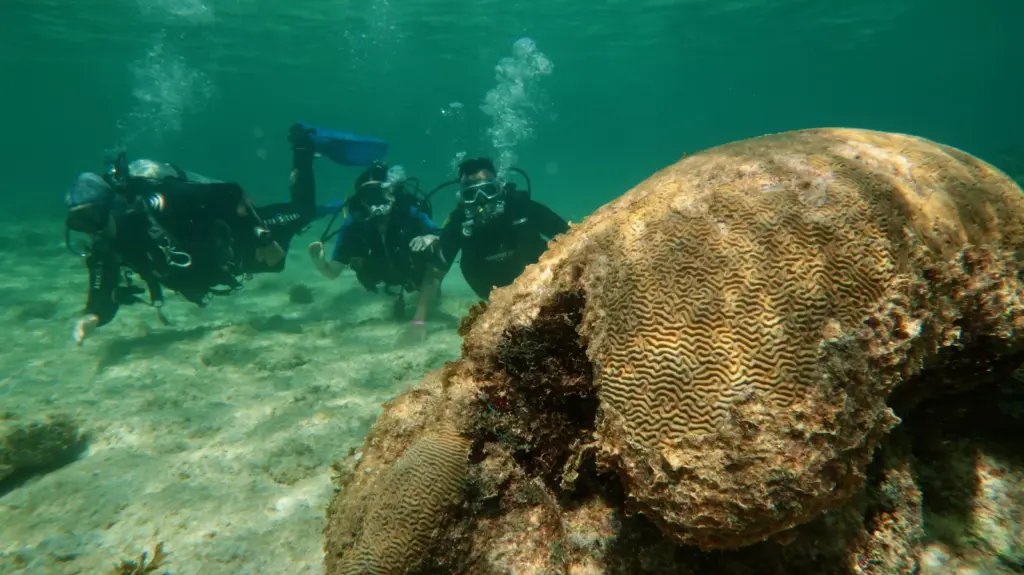
Playa Coral is a popular option for beginners because the reef can be accessed from shore and offers shallow routes suitable for introductory diving.
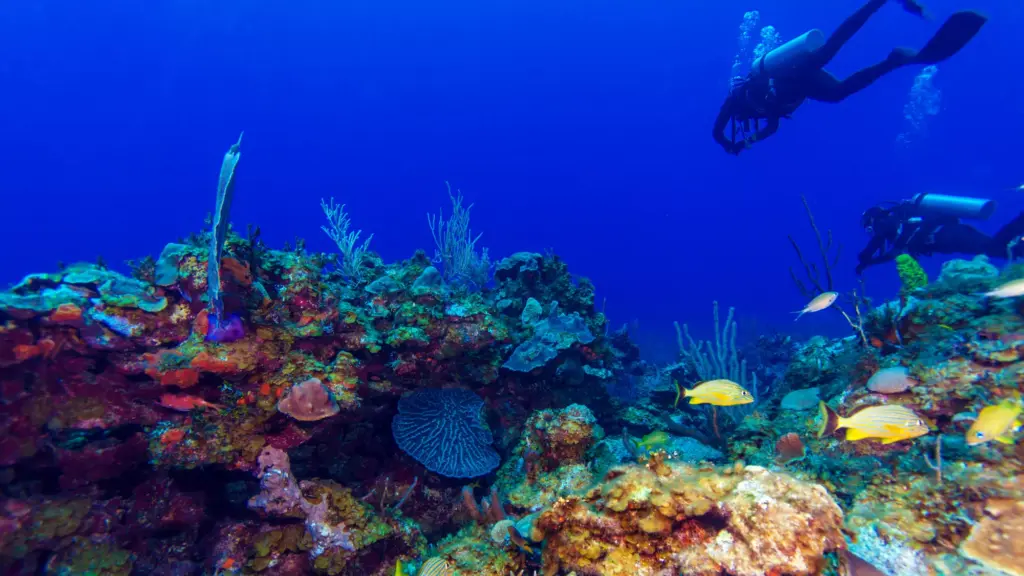
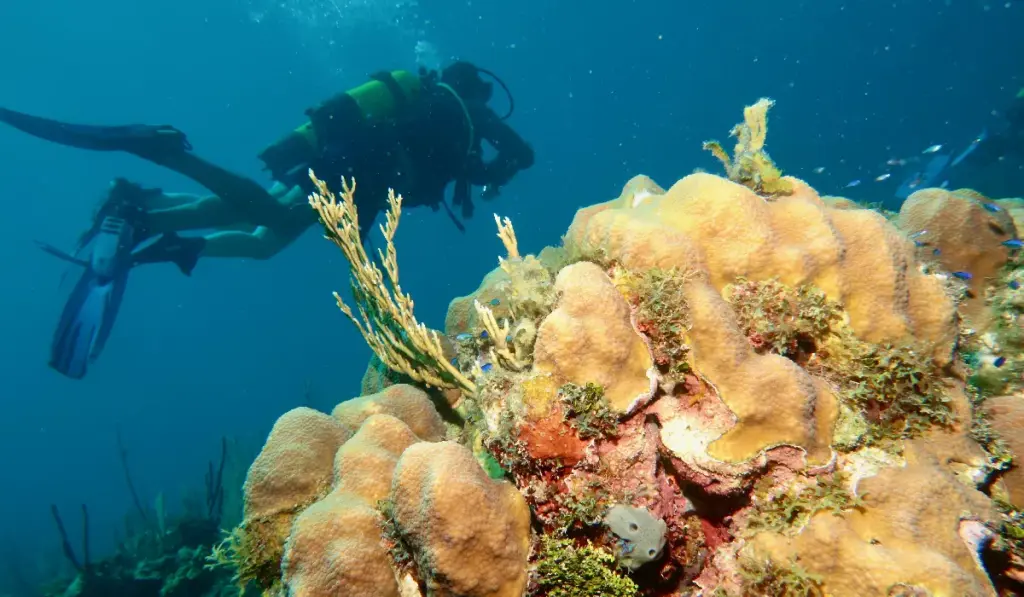
The reef environment also gives new divers an opportunity to see coral formations and tropical fish without needing to begin with a deep dive.
Read more:
Playa Coral Cuba: Snorkeling & Shore Diving Near Varadero
Bacunayagua
Bacunayagua offers another type of reef environment and can accommodate different experience levels.
The dive begins in shallow water, while deeper routes are available for appropriately experienced and certified divers.
Read more:
Bacunayagua Diving Cuba: Coral Reefs, Marine Life & Cuba’s Highest Bridge
The actual site selected for a beginner experience depends on conditions, experience, comfort and the instructor’s assessment.
What If You Are Already a Certified Diver?
If you already have a scuba certification, you have more options.
Depending on your certification and experience, you may be able to enjoy:
• Coral reef dives
• Shore dives
• Boat dives
• Deeper reef routes
• Wreck dives
• Different dive environments
• Photography-focused dives
• Specialty diving where appropriately trained
Your certification is important, but it isn’t the only factor.
A responsible dive operator will also consider:
• Your logged experience
• Recent diving activity
• Certification level
• Site conditions
• Planned depth
• Current and weather conditions
• Equipment
• Your comfort level
For example, a certified Open Water diver may be perfectly suited to a shallow reef dive but not necessarily to a deep wreck or technical dive.
Your certification should match the dive you’re planning.
What About Wreck Diving?
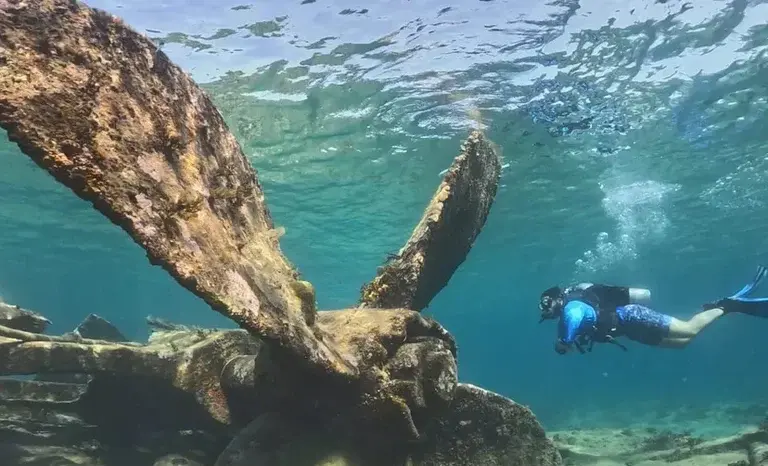
Cuba offers wreck-diving opportunities, but these are not automatically suitable for every certified diver.
Take the Damuji wreck near Varadero as an example.
The site is relatively shallow, with remains in approximately 5–12 metres of water, and appropriate exterior routes can be suitable for Open Water certified divers.
Other wrecks or deeper sections may require additional training and experience.
For example, deeper wreck diving can involve:
• Greater depth
• More complex navigation
• Overhead or entanglement hazards
• Specialized equipment
• Additional training
Never assume that having an Open Water certification automatically qualifies you for every wreck dive.
Read more:
Wreck Diving in Cuba: What You Need to Know Before You Go
Is It Safe to Dive Without Certification?
A better question is:
Is it possible to have a properly supervised introductory dive without being certified?
Yes.
A Discover Scuba experience is specifically designed for this situation.
Participants learn basic skills and dive under direct professional supervision rather than independently. PADI’s supervision guidance states that Discover Scuba participants should not be left unattended at the surface or underwater and should remain under the required professional supervision.
That is very different from simply renting scuba equipment and entering the water without training.
If you have never learned how to scuba dive, you should not attempt to dive independently.
What If I’m Nervous About Diving?
You don’t have to be confident before your first dive.
Many beginners are nervous about:
• Breathing underwater
• Equalizing their ears
• Wearing scuba equipment
• Being underwater
• Seeing marine animals
• Losing control
• Not knowing what to do
That’s exactly why introductory programs begin gradually.
You can practice basic skills in shallow water before continuing to the reef.
And if something doesn’t feel right, tell your instructor.
Your first dive isn’t a test.
Medical and Age Considerations
There are also health and age requirements to consider.
PADI’s Discover Scuba Diving program has a minimum age of 10. However, individual operators and local regulations may have additional requirements.
Participants also need to complete appropriate medical screening.
If your answers indicate a possible medical concern, you may need to obtain medical clearance before diving. PADI’s medical guidance specifically explains that some conditions require evaluation by a physician before participating in scuba activities.
If you have a medical condition, take medication or are unsure whether you are medically fit to dive, tell the dive center before your activity.
Don’t wait until you’re standing on the beach with your equipment.
Do You Need to Be a Strong Swimmer?
You should be comfortable in the water.
However, the requirements for a Discover Scuba experience are not necessarily the same as the swimming requirements for completing a full Open Water certification.
Your instructor or dive center will explain the requirements for the specific program you’re booking.
For a full Open Water certification, formal water-skills requirements apply. PADI’s Open Water program includes swimming and floating/treading-water assessments.
If you aren’t confident in the water, tell us when you inquire.
That allows us to recommend the most appropriate experience.
What About Families and Children?
Scuba diving can be a fantastic family experience, but age requirements and supervision rules apply.
For Discover Scuba programs following PADI standards, the minimum age is generally 10.
Younger participants may have other age-appropriate aquatic programs available, but they are not the same as adult scuba diving.
Parents should always discuss the child’s age, swimming comfort, medical considerations and the planned activity with the dive center before booking.
Best Time to Dive in Cuba
Cuba offers diving opportunities throughout the year, but conditions vary by location and season.
Water temperature, visibility, wind, waves and local weather can all influence the experience.
For beginners, the most important factor isn’t finding one magical date.
It’s choosing an appropriate dive site and making the decision based on the conditions on the day.
For more information, read:
Best Time of Year to Dive in Cuba
Certified or Not, You Still Need Good Diving Habits
Certification level doesn’t determine whether you’re a responsible diver.
Every diver should:
• Maintain good buoyancy
• Avoid touching coral
• Keep equipment away from the reef
• Respect marine life
• Never collect coral or marine animals
• Follow the dive briefing
• Stay within their training and experience
• Listen to the local guide
Even your first Discover Scuba experience can be an opportunity to learn good reef etiquette.
Learn more:
Marine Life & Conservation in Cuba: A Diver’s Guide to Protecting Our Oceans
and
Coral Bleaching in Cuba: What Divers Need to Know
Discover Scuba or Certification, Which Is Right for You?
Here’s a simple way to think about it:
If You… Consider
Have never scuba dived Discover Scuba
Want to try scuba before committing Discover Scuba
Have limited vacation time Discover Scuba
Want to become an independent recreational diver Open Water certification
Want to dive regularly around the world Open Water certification
Already hold Open Water Guided recreational dives appropriate to your experience
Want deeper or specialized diving Additional training may be required
If you’re unsure, don’t worry.
Tell us what you’ve done before and what you want to experience.
We’ll help you choose an appropriate option.
What Should You Tell Scuba Vida When Booking?
When you contact us, let us know:
Have you ever scuba dived before?
Are you certified?
What certification do you hold?
When was your last dive?
What dates will you be in Varadero?
Are you traveling alone, as a couple or with a family/group?
Do you have any relevant medical considerations?
This information helps us understand what type of experience may be appropriate.
Your First Dive in Cuba Can Be the Beginning
You don’t need to arrive in Cuba as an experienced diver.
You don’t even need to be certified to experience scuba diving for the first time.
You simply need to choose the right program, work with a qualified professional and be honest about your experience, comfort and health.
For some travelers, that first Discover Scuba experience becomes a single memorable holiday activity.
For others, it’s the beginning of a lifelong passion for diving.
Either way, your first breath underwater is something you’ll probably remember for a long time.
Ready to Dive in Cuba?
Whether this is your first time breathing underwater or you’re already an experienced certified diver, Scuba Vida can help you choose an experience that matches your level and interests.
When you contact us, simply tell us:
• Your diving experience
• Your certification level, if applicable
• Your travel dates
• What you’d like to see or explore
We’ll help you understand the available options and choose the right experience for your trip.
No pressure. Just friendly guidance from a local team in Varadero.
Related Articles
• Beginner’s Guide to Scuba Diving in Varadero: Everything You Need to Know
• What to Expect From Your First Dive in Cuba
• Playa Coral Cuba: Snorkeling & Shore Diving Near Varadero
• Bacunayagua Diving Cuba: Coral Reefs, Marine Life & Cuba’s Highest Bridge
• Wreck Diving in Cuba: What You Need to Know Before You Go
• Best Time of Year to Dive in Cuba
• How to Assemble Scuba Gear: Step-by-Step Setup & Buddy Check
About Scuba Vida
Scuba Vida is a local dive center based in Varadero, Cuba, offering scuba experiences, courses, snorkeling and guided dives for beginners and certified divers.
Our team helps visitors discover Cuba’s underwater world with experiences matched to their training, comfort and interests.