Matanzas Province is one of Cuba’s best-known coastal regions for scuba diving, with Varadero, Playa Coral, Bacunayagua and a variety of reef environments along the northern coast.
From shallow shore dives for beginners to deeper boat dives for certified divers, the reefs around Matanzas offer different ways to experience Cuba’s underwater world.
As local dive guides in Varadero, we spend our days exploring these waters and choosing dive sites according to the conditions, experience level and interests of our guests.
Here are five coral reef areas and dive experiences that we especially enjoy around Matanzas Province.
At a Glance
| Dive Area | Best For | Access | What Makes it Special |
|---|---|---|---|
| Playa Coral | Beginners, Discover Scuba, snorkelers | Shore | Shallow coral reef and abundant reef fish |
| Bacunayagua | Reef Relaxed reef diving | Shore | Coral heads, channels and scenic coastline |
| Coral Gardens Outside Matanzas Bay | Peaceful reef exploration | Depending on route | Less-visited coral areas and varied marine life |
| Northern Coast Reef Wall | Certified divers | Boat | Deeper reef walls and ledges |
| Hicacos Peninsula Training Reefs | Discover Scuba and skill-building | Shore | Shallow areas with sandy patches and coral |
The exact route and dive site can change with weather, sea conditions, diver experience and the day’s dive plan.
1. Playa Coral, Varadero
Perfect for: Beginners, Discover Scuba, snorkelers and underwater photographers
Playa Coral is one of the easiest places around Varadero to get close to a coral reef without taking a boat.
The reef begins practically from shore, making it particularly convenient for first-time divers and snorkelers. The shallow environment also gives beginners the opportunity to concentrate on breathing, buoyancy and enjoying the marine life rather than worrying about deeper water.
Many of our guests experience their first scuba dive at Playa Coral.
And for many, it is the moment they discover how different the underwater world feels.
Highlights
- Easy shore access
- Shallow reef environment
- Coral formations and sponges
- Tropical reef fish
- Good location for underwater photography
- Suitable routes for beginners and certified divers
- Excellent option for snorkeling
At Playa Coral, beginner dives are normally around 8–9 meters, while certified divers can explore deeper sections depending on experience, air consumption and conditions.
More experienced divers can explore selected routes to around 16–20 meters.
One of the things we love about Playa Coral is that you don’t need to go deep to see a lot of life.
Read our complete guide: [Playa Coral – Snorkeling & Shore Diving Near Varadero]
2. Bacunayagua Reef
Perfect for: Peaceful reef dives, underwater photographers and divers who enjoy natural surroundings
Bacunayagua is particularly special because the experience begins before you even enter the water.
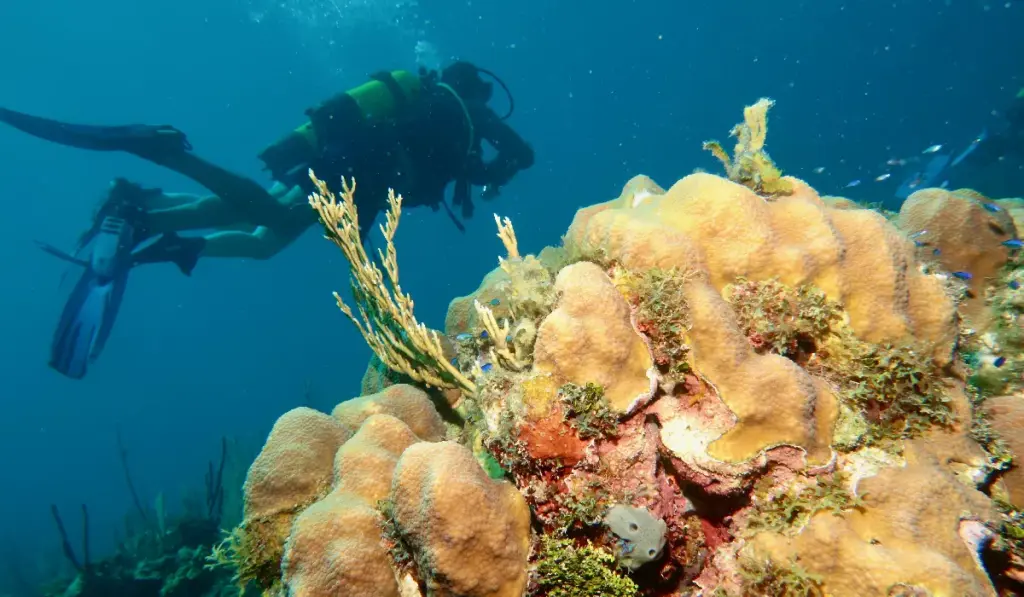
The famous Bacunayagua Bridge and the surrounding landscape create a dramatic setting above the surface, while below the water you can explore coral heads, sandy areas and channels between the reef formations.
The shore dive begins very shallow, making selected routes suitable for Discover Scuba experiences. As divers become more comfortable and experienced, the dive can continue into deeper sections.
What can you see?
Depending on the site and conditions, marine life can include:
- Parrotfish
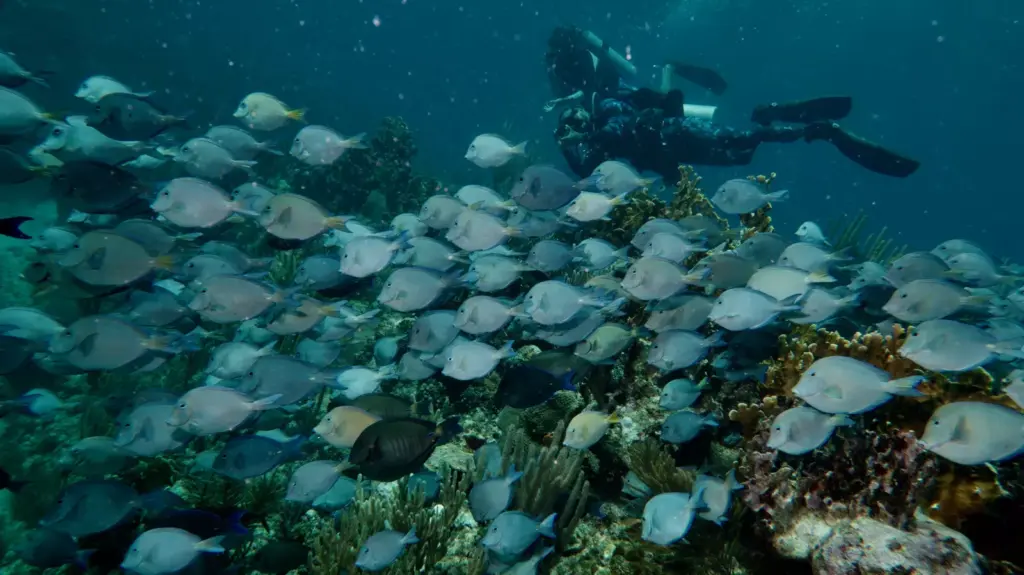
- Doctor fish and other surgeonfish
- Angelfish
- Barracudas
- Moray eels
- Lobsters
- Tropical reef fish
- Coral formations and sea fans
Some routes pass through interesting coral formations and natural reef labyrinths, giving the dive a feeling of exploration even at relatively modest depths.
The standard shore routes can reach around 20 meters for appropriately certified divers.
One important distinction
Bacunayagua also has reef-wall diving that is accessed by boat.
The wall should not be confused with the shore dive. From the shore, the reef route is based around the shallower coral formations and channels rather than reaching the offshore wall.
Read more: [Bacunayagua Diving Cuba: Coral Reefs, Marine Life & Cuba’s Highest Bridge]
3. Coral Gardens Outside Matanzas Bay
Perfect for: Divers who enjoy peaceful exploration and less-developed dive areas
Just outside the entrance to Matanzas Bay are coral reef areas that can offer a very different feeling from the more familiar Varadero sites.
When sea and weather conditions allow, these reefs can provide beautiful underwater landscapes with coral formations, sandy areas and plenty of small reef life.
For us, one of the biggest attractions is the feeling of being away from the busier areas.
You are not simply ticking another famous dive site off a list. You are exploring a reef environment that local divers know and select according to the day’s conditions.
What makes these reefs interesting?
You may encounter:
- Coral formations
- Sponges
- Sea fans
- Reef fish
- Grunts and snappers
- Parrotfish
- Surgeonfish
- Morays
- Other smaller Caribbean reef species
The exact experience depends on the selected site, weather, sea conditions and current.
That’s part of what makes local knowledge important.
A reef that is ideal one day may not be the best choice another day, so we choose the route based on the conditions rather than trying to force every dive into the same itinerary.
4. Reef Walls Off the Northern Coast of Varadero
Perfect for: Certified divers looking for deeper reef environments
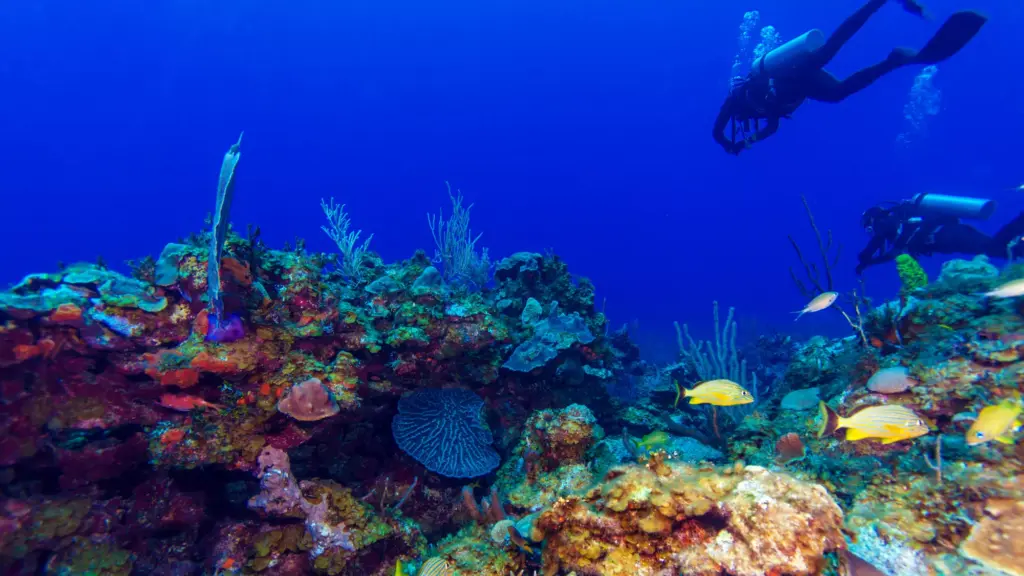
The northern coast of Varadero also offers boat-accessed reef areas where certified divers can explore walls, ledges and deeper coral formations.
These dives provide a different experience from the shallow shore reefs.
Instead of beginning in very shallow water, divers can move along deeper reef structures where coral, sponges and schooling fish occupy the edges and ledges.
Expect to see
- Sponges
- Soft corals
- Sea fans
- Schooling reef fish
- Coral formations
- Ledges and reef walls
- Clear blue-water environments when conditions are favorable
These sites are not necessarily extreme or technical dives. The appropriate depth and route depend on the particular site, certification, experience and conditions.
For divers who have already become comfortable with shallow reef diving, a boat dive along a reef wall can be a great way to experience another side of Varadero.
5. Near-Shore Training Reefs Along the Hicacos Peninsula
Perfect for: Discover Scuba experiences, beginners and skill-building
The Hicacos Peninsula contains shallow coastal areas where selected reef environments can be useful for introductory dives and skill development.
These areas can combine sandy sections with coral formations, giving divers space to become comfortable in the water before moving toward more interesting reef structures.
For a first-time diver, that transition can be important.
You begin by learning how the equipment feels, how to breathe through the regulator and how to control your position in the water.
Then, gradually, the reef becomes part of the experience.
Why shallow reefs are valuable for beginners
Shallow water gives instructors more flexibility to introduce new divers to:
- Breathing underwater
- Equalization
- Buoyancy
- Finning techniques
- Hand signals
- Staying with a buddy
- Observing marine life without touching the reef
The exact training location is selected according to conditions and the needs of the group.
For some people, this is where scuba diving changes from something they have always wanted to try into something they genuinely love.
Marine Life You May See
One of the best things about reef diving in Matanzas is that even relatively shallow dives can be full of life.
Depending on the site, season and conditions, you may encounter:
 Parrotfish
 Surgeonfish and doctor fish
 Trumpetfish
- Butterflyfish and angelfish
 Lobsters
 Moray eels
- Grunts and snappers
 Occasionally, distant reef sharks
 Occasionally, turtles
You can also find colorful sponges, sea fans, soft corals and other reef organisms growing throughout the underwater landscape.
But there is one rule we always remind divers about:
Don’t chase the marine life.
The best encounters often happen when you slow down, stay still and allow the animals to behave naturally.
Every dive is different, and that’s part of the magic of the ocean.
Which Matanzas Reef Is Right for You?
Not sure where to start?
 First scuba experience
Playa Coral is one of our favorite choices because of its shallow reef and easy shore access.
 You want a peaceful reef dive
Bacunayagua is a great option, especially if you also enjoy beautiful coastal scenery above the water.
You want something less familiar
Ask about the coral gardens outside Matanzas Bay and what conditions are like on the day of your dive.
 You’re a certified diver looking for more depth
A boat-accessed reef wall can offer a different perspective on the northern coast’s underwater landscape.
 You’re learning or building confidence
Selected near-shore training reefs can provide a comfortable environment for practicing skills and becoming more relaxed underwater.
The best dive site isn’t always the same.
It depends on you, the sea and the conditions that day.
Best Time of Year for Diving in Matanzas
Diving around Matanzas and Varadero is possible throughout the year.
Water temperatures are generally warm, and visibility can be good, but conditions can change with weather, rainfall, wind, tides and the particular location.
Some periods can bring warmer water or more favorable sea conditions, while weather systems can occasionally affect plans.
Rather than promising identical conditions throughout the year, we recommend choosing the dive site according to the conditions on the day.
Read our full guide: [Best Time of Year to Dive in Cuba]
Local Insight from Scuba Vida
LOCAL INSIGHT
One of the advantages of diving with a local team is that we don’t have to treat every dive day the same.
We look at the sea conditions, visibility, wind, diver experience and what our guests want to see before choosing the route.
Sometimes the best dive is the famous site you’ve heard about.
Sometimes it’s a quieter reef where you can slow down and really enjoy the underwater landscape.
That’s one of the reasons we love diving around Matanzas — there is always another reef to explore.
Responsible Reef Diving
Coral reefs are living ecosystems, and even small actions can cause damage.
When diving or snorkeling in Matanzas:
- Maintain good buoyancy
- Avoid touching coral
- Don’t stand on the reef
- Keep your fins away from fragile formations
- Never chase or handle marine animals
- Don’t collect shells, coral or other marine life
- Secure dangling equipment
- Keep a respectful distance from wildlife
- Follow your guide’s instructions
- Take only photographs and leave the reef where you found it
Good buoyancy is one of the simplest ways a diver can protect a reef.
If you want to learn more about protecting the underwater environment, read our [Diver’s Guide to Protection].
Why Dive with Local Guides?
A dive site isn’t just a point on a map.
Conditions can change from one day to the next, and local knowledge helps determine which reef is most appropriate for the people in the water that day.
At Scuba Vida, we focus on:
- Small groups
- Experienced local guides
- Appropriate site selection
- Clear dive briefings
- Comfortable, relaxed diving
- Respect for marine ecosystems
- Matching the dive to experience and conditions
For beginners, that means having someone nearby who understands that your first priority isn’t going deep.
It’s getting comfortable, breathing, looking around and enjoying the experience.
For certified divers, it means having a local team that knows the area and can show you more than just the most obvious sites.
Dive Matanzas with Scuba Vida 
Exploring the coral reefs of Matanzas Province is something we feel lucky to do every day.
From the shallow reef at Playa Coral to Bacunayagua, boat-accessed reef walls and quieter local reef areas, there are plenty of ways to experience Cuba underwater.
Whether you’re breathing underwater for the first time or you’re already an experienced diver, we’d love to show you our corner of the Caribbean.
Explore our Dive & Snorkeling Tours in Matanzas Province with Scuba Vida.
Have questions about which dive site is right for you?
We’re always happy to help, no pressure, just ocean passion.
See you underwater.
Related Articles
• [The Best Dive Sites in Cuba: A Guide to Varadero & Beyond]
• [Playa Coral Cuba: Snorkeling & Shore Diving Near Varadero]
• [Bacunayagua Diving Cuba: Coral Reefs, Marine Life & Cuba’s Highest Bridge]
• [Best Time of Year to Dive in Cuba]
• [How to Assemble Scuba Gear: Step-by-Step Setup & Buddy Check]
About Scuba Vida
Scuba Vida is a local dive team based in Varadero, Cuba, offering scuba diving and snorkeling experiences for beginners, certified divers and travelers who want to explore Cuba’s underwater world with a local team.
We believe diving should be enjoyable, responsible and adapted to the people and conditions on the day.
Come dive with us in Matanzas.