Looking for scuba diving in Varadero for Beginner?
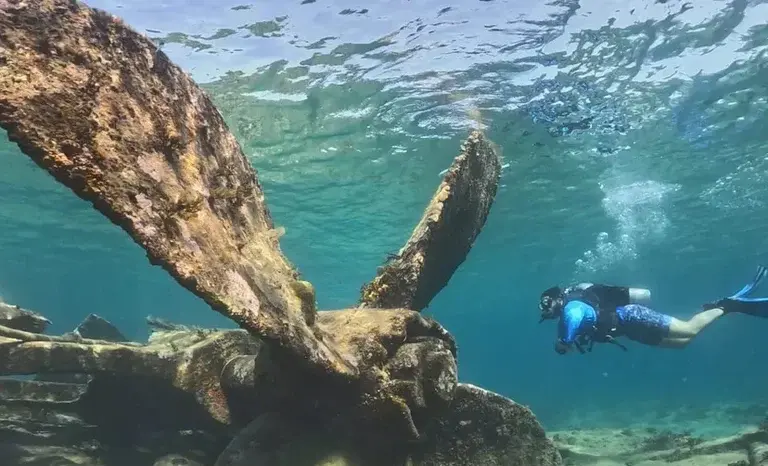
Scuba diving in Varadero for beginners is a great place to discover the underwater world of Cuba. The area offers shallow coral reefs, shore-diving opportunities, boat dives and a variety of marine life, making it possible to choose a dive experience that matches your comfort level and experience.
If you’ve never breathed underwater before, there’s no need to arrive as an experienced diver. A Discover Scuba Diving experience allows you to learn the basics with a qualified instructor before making a guided dive in shallow water.
This beginner’s guide explains what to expect from scuba diving in Varadero, how your first dive works, what you may see underwater and how to prepare.
Why Is Varadero Good for Beginner Divers?
One of Varadero’s biggest advantages is the variety of first time scuba diving places available close to the resort area.
Depending on the site and conditions, beginners can experience:
- Shallow coral reefs
- Shore diving
- Calm or gently moving water
- Colorful tropical fish
- Short transfers to dive sites
- Guided dives with local instructors
- Snorkeling and diving options for mixed groups
Not every dive site is suitable for a first-time diver, and conditions can vary from day to day. Your instructor or dive guide should select the site according to your experience, comfort and the conditions on the day.
For first-time divers, easy access and shallow water can make a big difference. You can concentrate on learning how to breathe, equalize and move underwater instead of worrying about a complicated dive environment.
Do You Need Certification to Dive in Varadero?
You don’t need to be a certified diver to try scuba diving.
A Discover Scuba Diving experience is designed for people who want to try scuba without completing a full certification course.
Typically, your experience includes:
- 1. A briefing with your instructor
- 2. An introduction to the scuba equipment
- 3. Basic skills and safety information
- 4. Practice in shallow water
- 5. A guided underwater experience
Your instructor remains with you during the experience and helps you manage the equipment and basic diving skills.
If you decide that you love scuba diving, the next step can be an Open Water Diver certification course, which gives you the training and certification needed for independent recreational diving within the limits of your certification.
What Is Discover Scuba Diving?
Discover Scuba Diving is essentially an introduction to scuba.
You don’t need to commit to a full certification course before finding out whether you enjoy breathing underwater.
The experience gives you an opportunity to:
• Become familiar with scuba equipment
• Practice basic skills
• Learn how to communicate underwater
• Experience neutral buoyancy
• Explore a shallow reef with an instructor
For many people, the first few minutes underwater are the most unusual part. Once you become comfortable with your breathing and equipment, the experience can become surprisingly relaxing.
Best Beginner-Friendly Dive Sites Near Varadero
Playa Coral
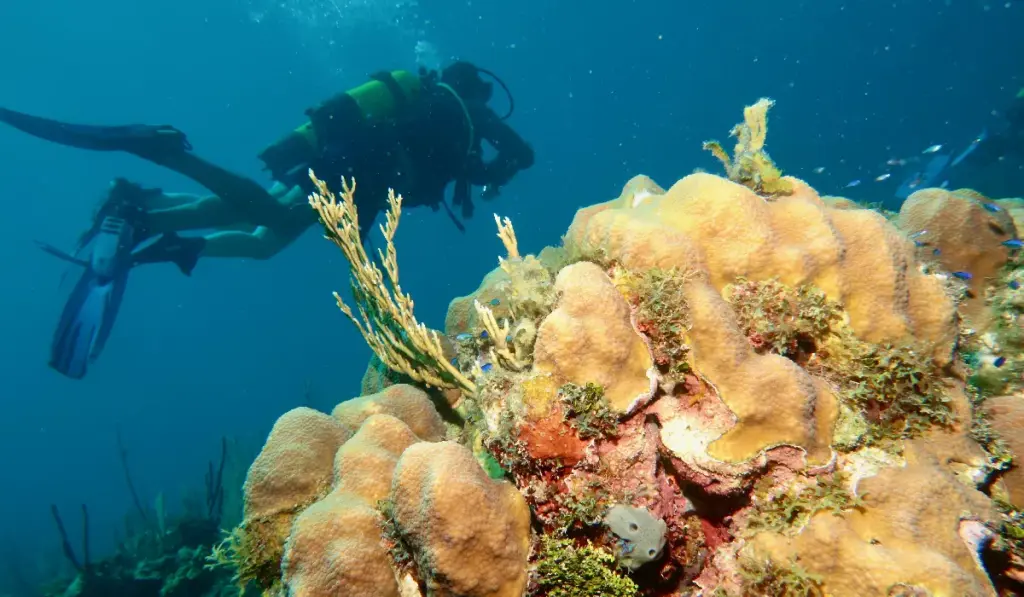
Playa Coral is one of the most accessible reef-diving locations near Varadero.
The reef begins in shallow water close to shore, making it particularly useful for snorkeling, beginner diving and Discover Scuba experiences.
Depending on the route and the diver’s experience, dives can progress into deeper sections of the reef.
You may encounter:
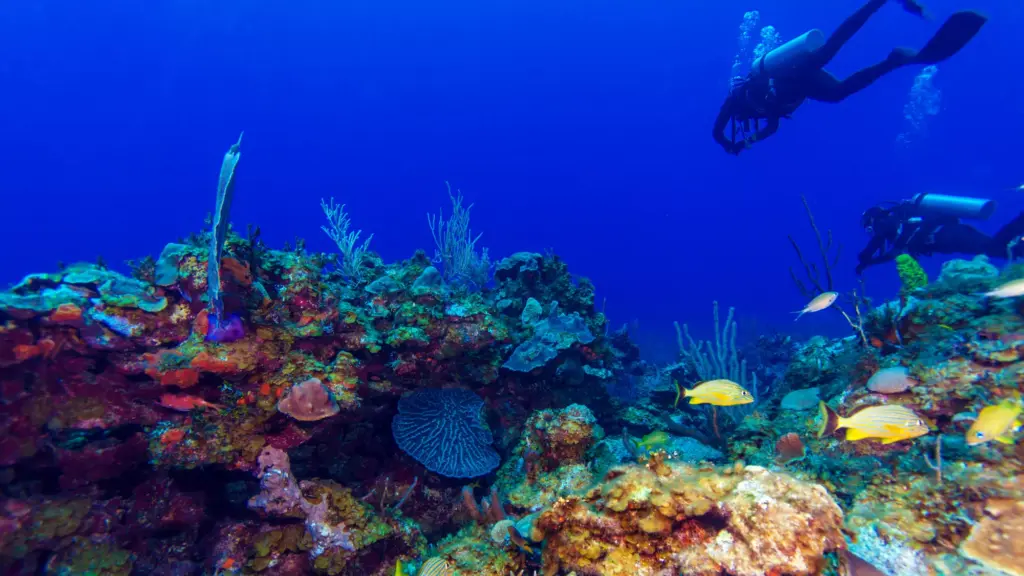
- Parrotfish
- Doctor fish
- Butterflyfish
- Angelfish
- Yellow snapper
- Schools of tropical fish
- Coral formations and sponges
Best for: First-time divers, snorkelers, photographers and certified divers looking for an easy reef dive.
Bacunayagua
Bacunayagua provides another interesting option for beginner diving.
The shore entry begins in very shallow water, with coral formations, sandy areas and channels between coral heads.
Beginners can stay in the shallower sections, while certified divers can explore deeper routes according to their training and experience.
The site is also special because of what you can see above the water: the famous Bacunayagua Bridge and the surrounding landscape provide a memorable backdrop.
Best for: Beginners, certified divers, photographers and travelers who want to combine diving with sightseeing.
What Will You See on Your First Dive?
You don’t need to go deep to see interesting marine life.
On a beginner-friendly reef dive around Varadero, you may encounter:
- Parrotfish
- Angelfish
- Butterflyfish
- Doctor fish
- Snappers
- Grunts
- Barracudas
- Moray eels
- Rays
- Lobsters
- Colorful coral and sponges
Marine life is wild, so sightings can never be guaranteed. That’s part of what makes every dive different.
And don’t worry if you spend the first few minutes concentrating more on your breathing than looking for fish. That’s completely normal.
What Does Your First Scuba Dive Feel Like?
The sensation of breathing underwater is probably the biggest difference from anything you’ve experienced before.
At first, you may notice:
- Your breathing feels different
- The regulator feels unfamiliar
- Your mask may require adjustment
- Your ears need to equalize
- Your movements feel slower
- Buoyancy feels completely different from being on land
After a few minutes, most beginners start to become more comfortable.
The goal isn’t to rush.
A good first dive should give you time to become familiar with the equipment and environment while staying within your comfort level.
Your First Dive: Step by Step
A typical first-time scuba experience with Scuba Vida follows a simple progression.
1. Welcome and preparation
Your instructor explains what will happen and makes sure your equipment is correctly fitted.
2. Safety briefing
You’ll learn basic information about the equipment, underwater communication, breathing and what to do if you need assistance.
3. Equipment fitting
Your instructor helps you put on and check your scuba equipment.
4. Shallow-water practice
Before heading farther from shore, you’ll have an opportunity to become comfortable in shallow water and practice the basic skills you’ll need.
5. Guided dive
Once you and your instructor are comfortable, you’ll begin the guided underwater portion of the experience.
The instructor stays close and monitors the group throughout the dive.
How Deep Will a Beginner Dive?
A beginner dive does not mean going as deep as possible.
The depth depends on the type of experience, the site, your comfort level, your instructor and the conditions.
At beginner-friendly sites such as Playa Coral and Bacunayagua, you can experience coral reefs and marine life in relatively shallow water.
Your instructor will determine the appropriate depth and route for your experience.
The important thing is not the number on the depth gauge. It’s learning to feel comfortable, control your breathing and enjoy the underwater environment.
Is Scuba Diving Difficult?
The basic physical skills are not necessarily difficult, but scuba diving is different from swimming or snorkeling.
The most important things for beginners are:
- Listen carefully to your instructor.
- Breathe normally and continuously.
- Equalize your ears early and often.
- Move slowly.
- Don’t rush to descend.
- Stay close to your instructor.
- Communicate if something doesn’t feel right.
- Never hold your breath while scuba diving.
You don’t need to be an expert swimmer to participate in every introductory experience, but you should discuss your swimming ability and any concerns with the dive center before participating.
What Equipment Do Beginners Use?
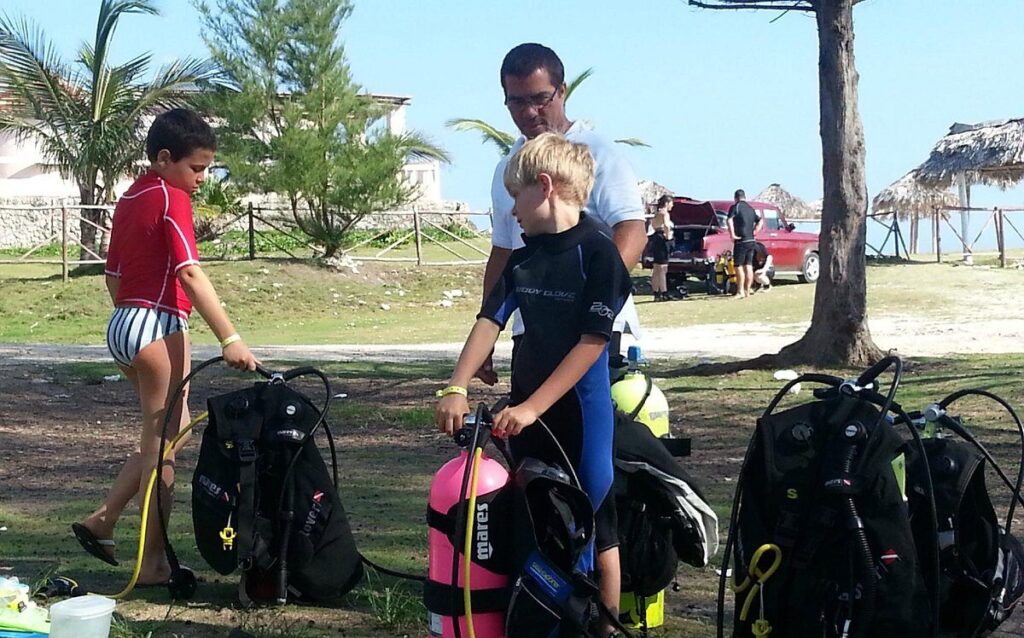
Your dive center will normally provide the essential scuba equipment for the experience.
This can include:
- Mask
- Snorkel
- BCD
- Regulator
- Scuba cylinder
- Weight system
- Exposure protection appropriate to the conditions
- Fins
- Dive computer or other required instruments
Your instructor will explain the equipment before you enter the water.
If you want to understand the equipment in more detail, see our guide:
How to Assemble Scuba Gear: Step-by-Step Setup & Buddy Check
Safety Tips for Your First Dive
The most important safety rule is simple:
Listen to your instructor and stay within the limits of your experience.
Remember to:
- Never hold your breath underwater.
- Equalize before your ears become uncomfortable.
- Breathe normally.
- Stay with your instructor or dive group.
- Use your underwater signals.
- Tell your instructor if you’re nervous or uncomfortable.
- Don’t touch coral or marine animals.
- Don’t chase wildlife for photographs.
- Follow the dive plan.
If you experience a problem, signal your instructor rather than trying to solve it alone.
Your first dive should be an introduction to scuba, not a test of how much discomfort you can tolerate.
What Should You Bring?
For your first dive, keep things simple.
Bring:
- Swimwear
- Towel
- Reef-appropriate sun protection
- Water
- Dry clothes
- Your certification card if you’re already certified
- Any personal equipment you prefer to use
If you wear contact lenses or glasses, let your dive center know beforehand so they can discuss suitable options.
And don’t forget a little patience. Your first underwater experience is about learning, not performing.
When Is the Best Time to Dive in Varadero?
Scuba diving is possible throughout the year around Varadero.
Water temperature, visibility, wind and sea conditions can vary with the season and weather, so the best day for a particular dive site depends on local conditions.
If you’re planning a trip, our detailed guide explains the seasonal differences:
Can Nervous People Try Scuba Diving?
Absolutely, but don’t hide your nerves from your instructor.
Many first-time divers feel nervous before their first descent. The breathing equipment, unfamiliar sensation and idea of being underwater can feel strange.
Tell your instructor if you’re anxious.
A patient instructor can slow the experience down, spend additional time in shallow water and help you become comfortable before continuing.
There is no prize for descending quickly.
Scuba Diving or Snorkeling?
If you’re unsure about scuba, snorkeling can be a great first step.
| Snorkeling | Scuba Diving |
|---|---|
| Stay near the surface | Explore below the surface |
| Minimal equipment | Full scuba equipment |
| Easy introduction | Requires instruction |
| Great for families | Great for deeper exploration |
| No certification required | Certification required for certified diving |
Playa Coral is particularly suitable for groups where some people want to snorkel while others dive.
The same reef environment can offer something for everyone.
Why Varadero Is a Great Place to Start
One of the biggest advantages of learning to dive in Varadero is that you don’t need to travel to a remote island to experience Cuba underwater.
You can combine your diving with a beach holiday, snorkeling, sightseeing and other activities.
For a first-time diver, that’s valuable.
If you decide you love scuba, you can return for a certification course or explore more challenging sites around Cuba.
Local Insight from Scuba Vida
Don’t worry about trying to look like an experienced diver on your first dive.
Your job as a beginner is simply to listen, breathe normally, equalize early and communicate with your instructor.
The more relaxed you become, the more you’ll notice what’s happening around you — the fish, coral formations, your breathing and the feeling of moving weightlessly through the water.
That’s when scuba starts to become truly enjoyable.
Ready to Try Scuba Diving in Varadero?
If you’ve always wanted to try scuba diving, Varadero is a great place to start.
At Scuba Vida, our instructors work with first-time divers as well as certified recreational divers, adapting the experience to the diver, the site and the conditions.
Your first dive doesn’t have to be complicated.
It starts with learning the basics, getting comfortable in the water and discovering what it’s like to breathe underwater.
Ready to try your first dive in Cuba?
Related Articles
About Scuba Vida
Scuba Vida is a local dive center based in Varadero, Cuba, offering scuba diving, snorkeling, courses and guided underwater experiences around Varadero and nearby destinations.
Our goal is to make diving accessible, enjoyable and responsible while helping visitors discover Cuba’s underwater world.