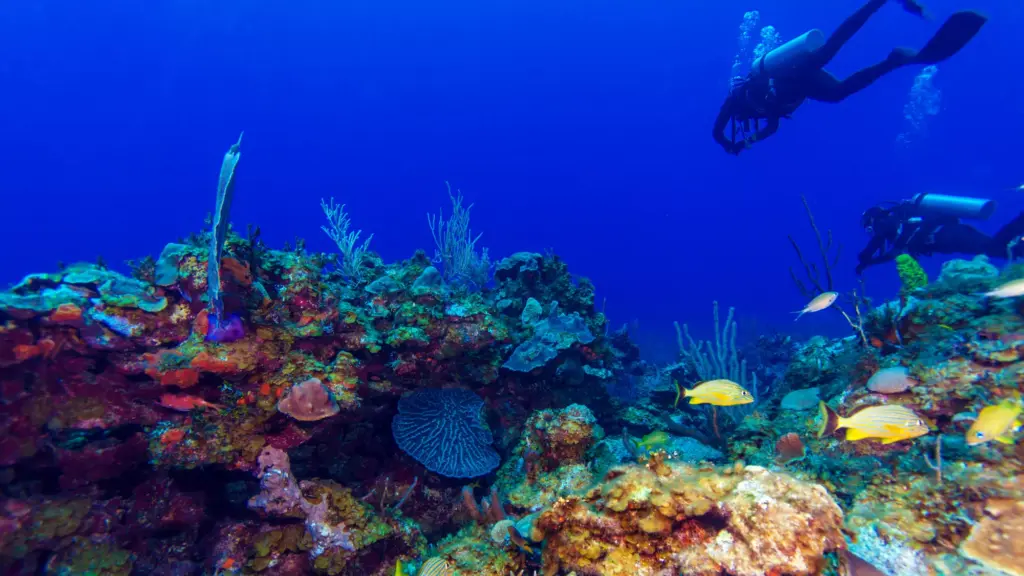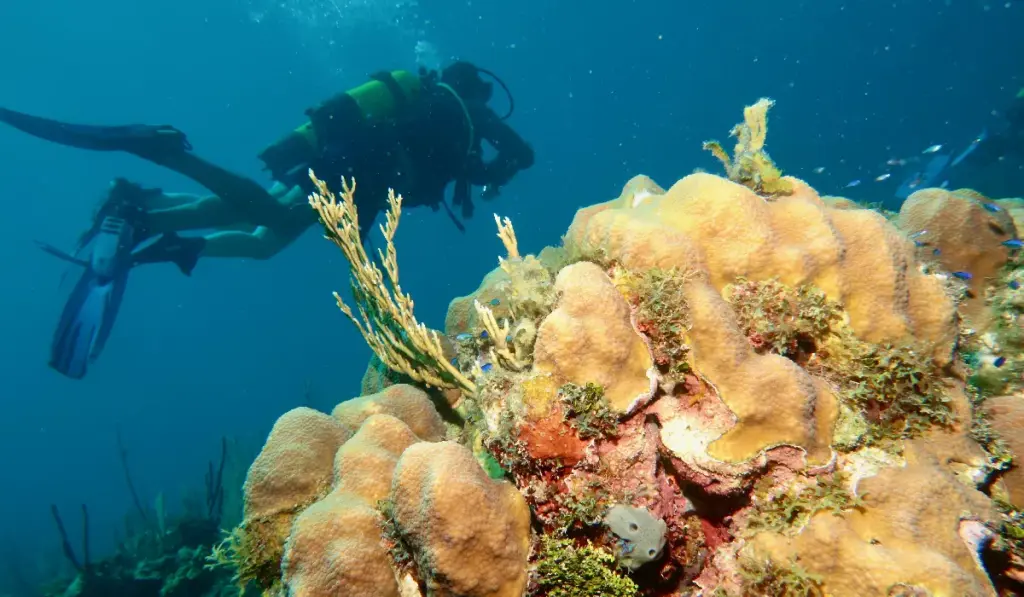
Cuba is home to some of the Caribbean’s most impressive underwater environments. From vibrant coral reefs and mangrove ecosystems to seagrass beds and an extraordinary variety of marine life, the island offers divers the opportunity to experience eco-friendly diving practices and relatively pristine underwater landscapes.
But with the privilege of exploring these environments comes a responsibility: divers must help protect the places they enjoy.
Eco-friendly diving Pactices is about more than simply avoiding litter. It means learning how our behavior underwater can affect marine ecosystems, choosing responsible tourism providers, respecting wildlife, and supporting conservation efforts. In Cuba, where marine ecosystems are an important part of both the natural heritage and tourism economy, responsible diving can make a meaningful difference.
Understanding Eco-Friendly Diving
What is eco-friendly diving?
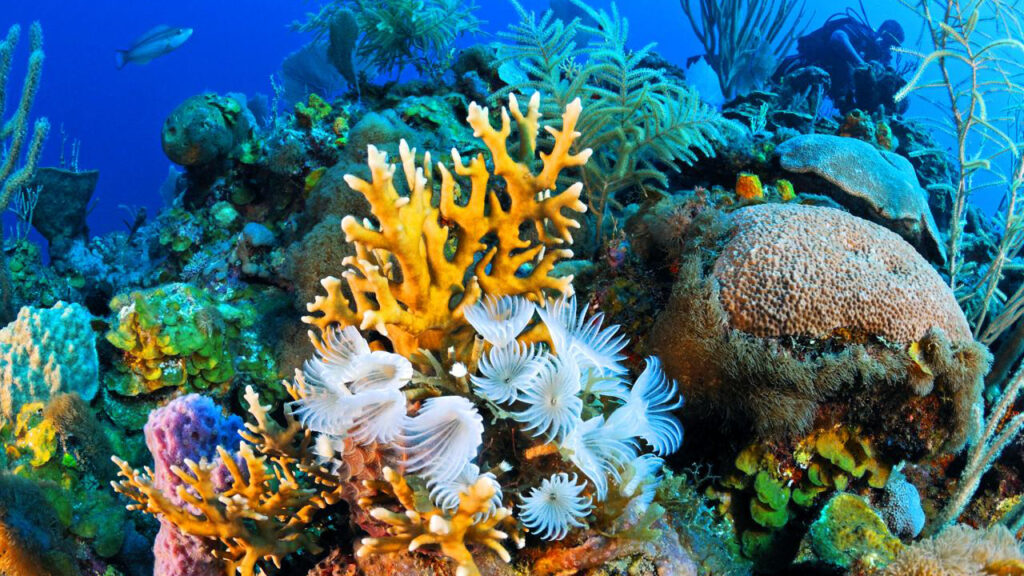
Eco-friendly, or responsible, diving refers to a set of practices designed to minimize the environmental impact of recreational diving while promoting the conservation of marine ecosystems.
A responsible diver takes care not to touch corals, disturb animals, damage habitats, or leave waste behind. It also means being conscious of the environmental footprint associated with transportation, accommodation, equipment, and dive operations.
In simple terms, eco-friendly diving means leaving the underwater world as you found it or, whenever possible, helping to leave it in better condition.
Why is sustainable diving important?
Coral reefs and other marine ecosystems are among the most biologically diverse environments on Earth, but they are also vulnerable. Climate change, pollution, overfishing, coastal development and unsustainable tourism can all put pressure on marine habitats.
Even seemingly harmless actions by individual divers can have consequences. A diver who stands on coral, for example, can break fragile structures that may have taken decades to grow. Repeated contact with marine animals can also cause stress and alter their natural behavior.
Responsible diving helps reduce these pressures. When thousands of divers adopt simple environmentally friendly habits, the cumulative effect can be significant.
The impact of diving on marine ecosystems
Scuba diving is generally a low-impact recreational activity, but poorly managed diving can damage sensitive environments.
Common problems include:
- Touching or kicking coral with fins.
- Standing on reefs or other fragile habitats.
- Chasing, feeding or handling marine animals.
- Accidentally damaging corals with tanks, gauges or equipment.
- Leaving plastic, fishing line or other waste underwater.
- Using inappropriate anchoring practices in sensitive areas.
- Contributing to pollution through irresponsible tourism practices.
The good news is that most of these impacts are avoidable. Good buoyancy control, proper equipment configuration and respect for marine life can dramatically reduce a diver’s footprint
Best Practices for Responsible Diving in Cuba
Cuba’s underwater environments vary considerably, from coral reefs and walls to seagrass meadows and mangroves. Regardless of where you dive, a few basic principles can help protect the marine environment.
1. Master your buoyancy

Excellent buoyancy control is one of the most important skills an environmentally conscious diver can develop.
A well-balanced diver can hover above the reef without accidentally touching it. This protects corals while also reducing the risk of kicking up sediment, which can affect organisms living on the seafloor.
Before diving in particularly delicate environments, take a moment to check:
- Your weighting.
- Your BCD inflation.
- Your trim.
- The position of your gauges and hoses.
- Your fin technique.
The best contact with a coral reef is no contact at all.
2. Never touch or stand on coral
Corals may look like rocks, but they are living organisms. Even a light touch can damage delicate polyps, while sunscreen, oils and other substances from human skin may also affect some marine organisms.
Avoid using coral heads or reef structures to stabilize yourself. If you need to stop, practice neutral buoyancy or use an appropriate sandy area where permitted.
Remember: look, don’t touch.
3. Observe marine life without disturbing it
One of the greatest pleasures of diving in Cuba is encountering marine animals in their natural environment.
Whether you encounter a sea turtle, ray, reef fish, shark, crustacean or another fascinating species, give it space.
Responsible divers should:
- Avoid chasing animals.
- Never grab or restrain marine life.
- Avoid blocking an animal’s escape route.
- Keep noise and sudden movements to a minimum.
- Never feed wild animals unless a specific conservation program explicitly permits it.
- Use photography techniques that don’t involve touching or manipulating animals.
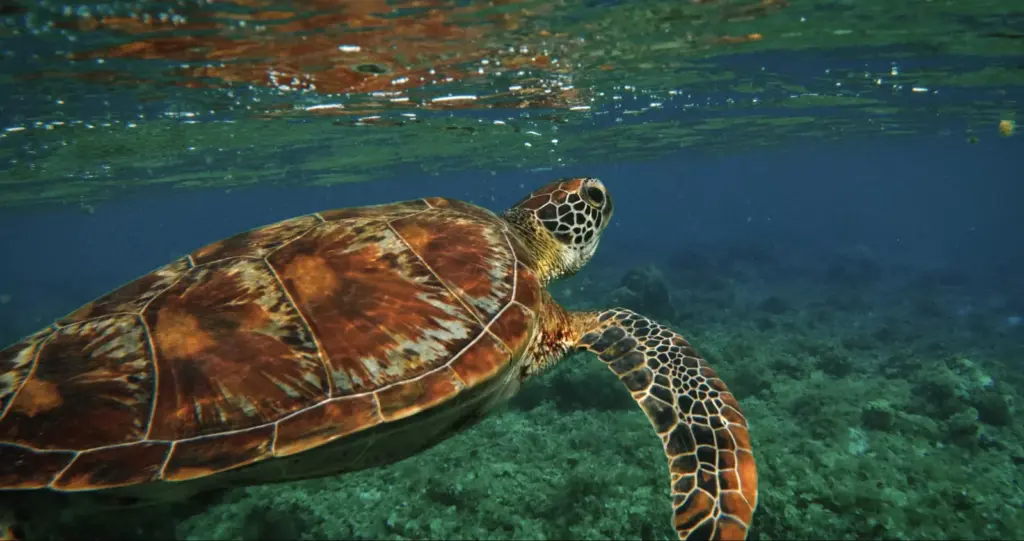
A good rule is to let the animal decide how close the encounter will be.
4. Be careful with your equipment
Loose equipment can easily become an environmental hazard.
Before entering the water, secure your:
- Regulators.
- Pressure gauges.
- Cameras.
- Torches.
- Dive computers.
- SMBs and other accessories.
Dangling equipment can accidentally drag across corals or become entangled in marine life.
Good equipment configuration is therefore not only about comfort and safety it is also an important conservation practice.
5. Keep the ocean free of waste
Never leave anything underwater.
Plastic packaging, batteries, fishing line, cigarette butts and other rubbish can remain in the marine environment for years and pose serious risks to wildlife.
A responsible diver should:
- Bring reusable water bottles.
- Avoid single-use plastics whenever possible.
- Take all personal waste back to shore.
- Dispose of batteries and other hazardous materials appropriately.
- Participate in underwater or beach cleanups when possible.

If you see marine debris and it is safe to remove without damaging the habitat, consider collecting it and bringing it back to shore for proper disposal.
However, never attempt to remove fishing gear or other dangerous objects if doing so could injure you or damage the reef.
6. Choose reef-friendly products
What you put on your body before entering the ocean can eventually end up in the marine environment.
Consider using environmentally conscious personal-care products and, whenever practical, minimize the amount of sunscreen entering the water. Wearing a rash guard or other protective clothing can also reduce the amount of sunscreen needed.
More broadly, travelers can reduce their environmental footprint by carrying reusable products and avoiding unnecessary single-use packaging.
7. Follow local rules and protected-area regulations
Cuba has marine protected areas and sites where specific conservation rules may apply. Regulations can vary depending on the location.
Always listen to your dive guide and respect local instructions concerning:
- Where you can dive.
- Which species or habitats must not be disturbed.
- Photography restrictions.
- Fishing regulations.
- Anchoring.
- Collection of shells, coral or other marine organisms.
If you’re unsure whether something is permitted, don’t do it. Ask your guide first.
Supporting Local Conservation Efforts
Responsible diving isn’t only about what happens underwater. Divers can also contribute to marine conservation by supporting the people and organizations working to protect Cuba’s coastal ecosystems.
Get involved in conservation
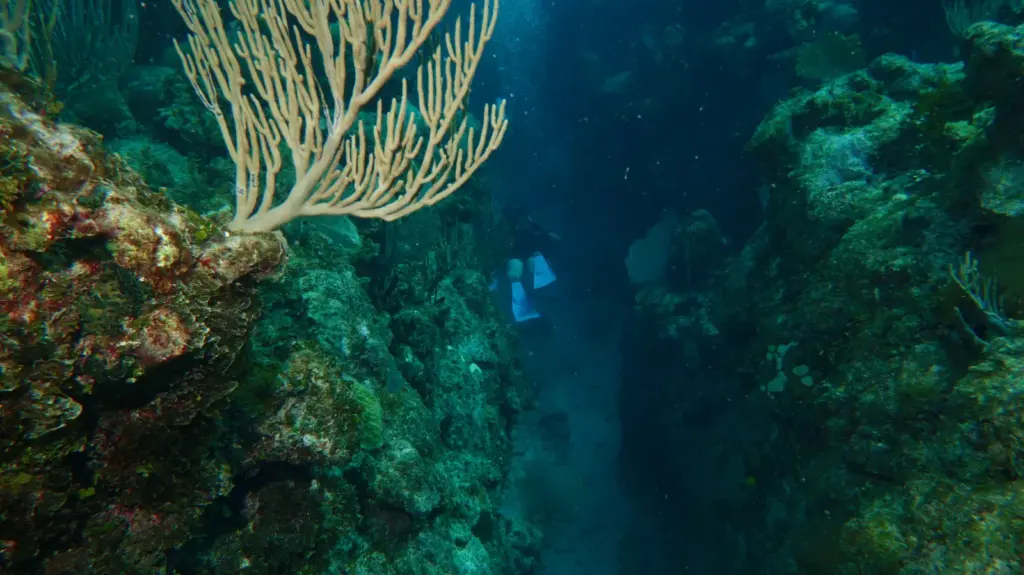
Depending on the destination and current programs, visitors may be able to participate in activities such as:
- Beach cleanups.
- Marine debris collection.
- Environmental education programs.
- Citizen-science projects.
- Reef monitoring.
- Community conservation initiatives.
Before participating, make sure that the project is legitimate and that activities are carried out according to established environmental guidelines. Conservation work should never unintentionally cause additional damage to the ecosystem.
Support local communities
Choosing locally owned accommodation, restaurants, guides and dive services can help ensure that tourism revenue benefits communities near diving destinations.
This is an important part of sustainable tourism. Healthy marine ecosystems attract visitors, while responsible tourism can provide local communities with an economic incentive to protect those ecosystems.

In other words, conservation and local economic development can reinforce each other.
Choose responsible dive operators
The dive operator you choose can have a significant influence on the environmental impact of your trip.
When comparing operators in Cuba, consider asking questions such as:
- Do your guides teach responsible diving practices?
- How do you prevent damage to coral reefs?
- What is your policy regarding marine wildlife encounters?
- How do you manage waste?
- Do you participate in conservation projects?
- How do you handle boat anchoring?
- Do you support local conservation or community initiatives?
A responsible operator should see environmental protection as part of the diving experience not simply as a marketing slogan.
Benefits of Eco-Friendly Diving
Responsible diving isn’t just good for the ocean. It can also make the experience better for divers, local communities and the tourism industry.
A better diving experience
Learning good buoyancy control and becoming more observant underwater can transform the way you dive.
Instead of simply swimming from one point to another, you begin noticing the smaller details: a tiny shrimp hiding among corals, a camouflaged octopus, juvenile fish sheltering in the reef or the subtle movements of marine life around a seagrass meadow.
Responsible diving encourages divers to slow down, observe and appreciate rather than interfere.
Supporting sustainable tourism
Marine environments are an important attraction for diving destinations. If reefs and marine habitats deteriorate, the quality of the diving experience can decline as well.
Protecting these environments therefore helps safeguard the long-term future of Cuba’s diving tourism.
Responsible tourism can also create demand for environmentally conscious operators, guides and businesses, encouraging the industry to adopt better practices.
Creating a culture of conservation
Perhaps the greatest benefit is cultural.
A diver who learns to respect marine ecosystems may carry those habits beyond a single holiday. They may reduce plastic consumption, participate in conservation projects, educate other divers or support organizations working to protect the ocean.
Every dive becomes an opportunity to reinforce the idea that exploration and conservation should go hand in hand.
Stories from Responsible Divers
Across the global diving community, experienced divers often describe a similar transformation: the more they learn about marine ecosystems, the less they want to interfere with them.
For many divers, an encounter with a sea turtle swimming calmly across a reef or a close observation of a healthy coral ecosystem can be more memorable precisely because it was completely natural.
The most meaningful underwater encounters aren’t necessarily the ones where a diver gets closest to an animal. They are often the moments when the animal behaves naturally and allows the diver to quietly observe.
This philosophy can be particularly powerful in Cuba, where the diversity of coastal and marine ecosystems offers countless opportunities to appreciate nature without disturbing it.
A Simple Eco-Friendly Diving Checklist
Before your next dive in Cuba, ask yourself:
- ☐ Is my buoyancy good enough to avoid touching the reef?
- ☐ Is all my equipment properly secured?
- ☐ Will I observe marine life without touching, chasing or feeding it?
- ☐ Am I avoiding single-use plastics?
- ☐ Will I take all my waste back to shore?
- ☐ Am I following local marine-protection regulations?
- ☐ Have I chosen a dive operator that takes conservation seriously?
- ☐ Can I support a local conservation or community initiative?
If you can answer yes to these questions, you’re already taking meaningful steps toward more sustainable diving.
Dive More, Leave Less
Cuba’s underwater world is a treasure worth protecting. From colorful coral reefs to seagrass ecosystems and encounters with iconic Caribbean marine species, diving offers us a unique opportunity to experience the ocean from within.
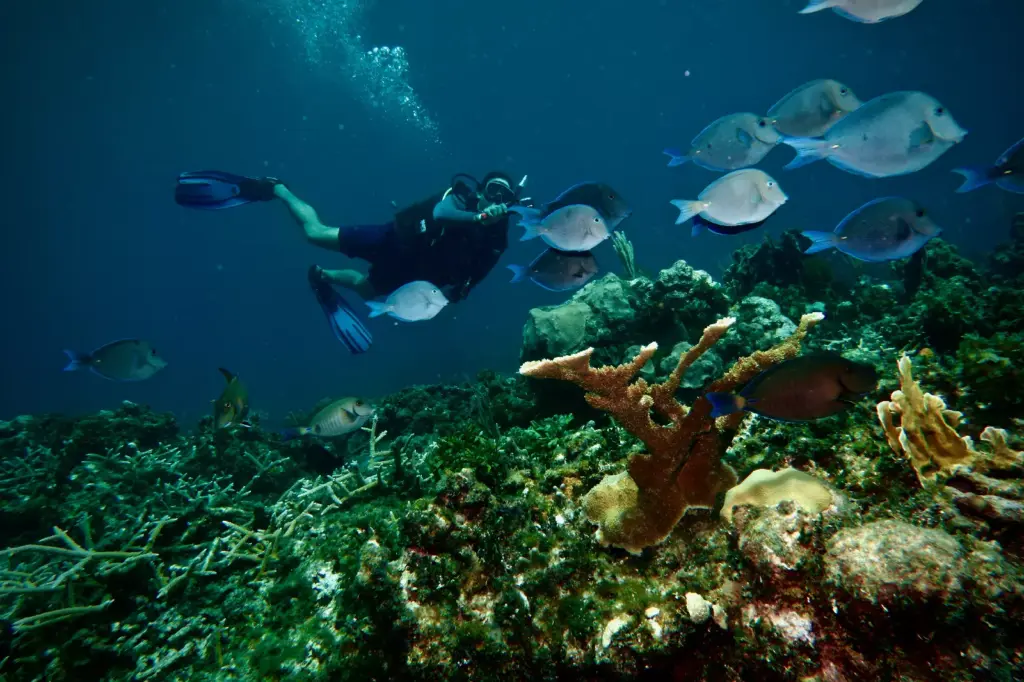
But being a diver also means becoming a steward of the underwater environment.
Dive gently. Keep your distance. Take nothing but photographs and memories. Leave nothing behind. And support the people working to protect the sea.
By adopting simple eco-friendly practices and choosing responsible tourism providers, every diver can help ensure that Cuba’s marine ecosystems remain healthy and inspiring for generations to come.
Because the goal of responsible diving isn’t simply to visit the ocean it’s to help make sure that we can keep coming back to a healthy one.
Related Articles
Planning your next diving adventure in Cuba? Continue exploring our guides to discover the best dive sites, prepare for your first underwater experience, and make the most of your time in Varadero.
Beginner’s Guide to Scuba Diving in Varadero
New to diving? Discover what to expect from your first scuba diving experience in Varadero, from your initial briefing to your first underwater exploration.
What to Expect from Your First Dive in Cuba
Thinking about trying scuba diving for the first time? Learn how the experience works, what equipment you’ll use, and how to prepare for a relaxed and enjoyable first dive.
Top Dive Sites in Matanzas Province
Explore some of the most interesting underwater sites around Varadero and Matanzas, including coral reefs, walls, marine-life encounters, and fascinating wrecks.
Snorkeling in Varadero: A Beginner’s Guide
You don’t need to be a certified diver to discover Cuba’s underwater world. Find out where to snorkel, what marine life you may encounter, and how to enjoy the reef responsibly.
Scuba Diving in Varadero: Dives, Courses & Adventures
From your first Discover Scuba experience to guided dives and certification courses, explore the diving experiences available with Scuba Vida.
Local Insights from Scuba Vida
There is a big difference between simply visiting a dive destination and experiencing it through the eyes of people who know the local waters.
At Scuba Vida, our team combines diving experience with local knowledge of Varadero, Matanzas, and Cuba’s north coast. Our guides know that every dive site has its own character—from coral formations and marine life to changing conditions, visibility, currents, and the stories behind the places we explore.
That local perspective is particularly valuable when it comes to responsible diving.
We believe that exploring Cuba’s underwater world should go hand in hand with protecting it. Our approach focuses on small groups, personal attention, respect for marine life, and environmentally conscious diving practices.
Why local knowledge matters
Local guides can help divers understand how to interact with a reef without disturbing it. They can point out marine species, explain the characteristics of individual dive sites, and show visitors how to enjoy the underwater environment while minimizing their impact.
At Scuba Vida, our team includes Cuban dive professionals and guides with extensive knowledge of the local reefs and marine environment. Their experience helps us create diving experiences that are not only enjoyable but also respectful of the places we visit.
For us, responsible diving isn’t something that begins and ends with a checklist. It’s a mindset: observe rather than touch, protect rather than disturb, and leave the underwater world ready for the next diver to discover.
Discover Cuba with people who know it
Whether you’re a first-time diver, an experienced underwater photographer, or simply curious about Cuba’s marine life, connecting with local guides can make your experience more meaningful.
The ocean is only one part of the story. The people, culture, landscapes, and communities surrounding it are equally important.
That’s why at Scuba Vida we aim to create experiences that connect visitors with both sides of Cuba—the world above the water and the extraordinary life beneath it.
About Scuba Vida
Based in Varadero, Cuba, Scuba Vida is a locally connected dive center dedicated to creating safe, personal, and eco-conscious diving and snorkeling experiences.
Our philosophy is simple: share Cuba’s underwater world while helping protect it for the future.
We offer diving and snorkeling experiences for beginners and certified divers, including reef dives, wreck dives, Discover Scuba experiences, and scuba courses. Our certified instructors and local guides work with small groups so that guests receive personal attention while enjoying a more relaxed and responsible experience.
More than a dive center
Scuba Vida was created around a love of Cuba, the ocean, and the people who call this island home.
We believe that responsible tourism should benefit both the environment and local communities. That’s why we work with local professionals and trusted Cuban partners, including experienced local drivers, guides, and dive specialists.
Our team brings together certified instructors and experienced local dive guides who know the reefs around Varadero and Matanzas. Their knowledge allows us to offer visitors a more authentic perspective on Cuba’s underwater environment.
Our approach to responsible diving
For us, eco-friendly diving starts with the basics: good buoyancy, respect for marine life, careful equipment management, and leaving the reef undisturbed.
We encourage every guest to become part of the solution by following responsible diving practices and treating the ocean with the same respect we would give any protected natural environment.
Small groups. Local knowledge. Personal attention. Respect for the ocean.
That’s the Scuba Vida way.
Ready to explore Cuba underwater?
Whether you’ve never breathed underwater before or you’re an experienced diver looking for your next Caribbean adventure, we’d love to welcome you to Varadero.
Come discover Cuba’s reefs, marine life, and underwater landscapes with a local team that believes every dive should be safe, memorable, and respectful of the ocean.
Dive with us. Discover Cuba. Protect what you love.