Face to Face with Cuba’s Bull Sharks
If shark diving in Cuba with is on your bucket list, Santa Lucía in Camagüey deserves a place on your itinerary.
Located on Cuba’s northern coast, Santa Lucía is known for its coral reefs, historic shipwrecks and, most famously, its encounters with bull sharks (Carcharhinus leucas).
The shark dives here offer something very different from a typical Caribbean reef dive. Instead of simply looking for small reef fish and coral, divers can experience close encounters with one of the ocean’s most powerful predators in a structured, professionally guided environment.
For experienced divers looking for a more adventurous side of Cuba, Santa Lucía can be an unforgettable destination.
Shark Diving in Cuba, Santa Lucía at a Glance
| Feature | Details |
| Location | Santa Lucía, Camagüey, Cuba |
| Main attraction | Bull shark encounters |
| Area | Northern coast of Cuba |
| Dive sites | Around 35 sites in the wider Santa Lucía area |
| Shark location | Near the entrance to the Nuevitas Bay channel |
| Shark encounters | Professionally guided and controlled |
| Shark-dive depth Approximately 18–32 m | Approximately 18–32 m |
| Experience level | Experienced certified divers |
| Other diving | Coral reefs, walls, shipwrecks and marine life |
| Marine life | Bull sharks, groupers, snappers, jacks, barracudas and reef species |
| Best known for | Shark encounters and wreck diving |
Actual depth, visibility, shark activity and dive conditions vary according to the site, weather, sea conditions and dive plan.
Why Is Santa Lucía Famous for Shark Diving?
Santa Lucía is one of Cuba’s best-known destinations for encounters with bull sharks.
The shark-diving area is associated with the entrance to the Nuevitas Bay channel, where local dive operations have developed structured shark encounters.
Official Cuban tourism information describes Santa Lucía as having approximately 35 dive sites, including coral reefs and shipwrecks from the 19th and 20th centuries. It also specifically highlights the area’s bull shark encounters.
This combination makes Santa Lucía much more than a single shark dive.
You can travel there for the sharks and discover an entire diving destination.
What Is a Bull Shark?
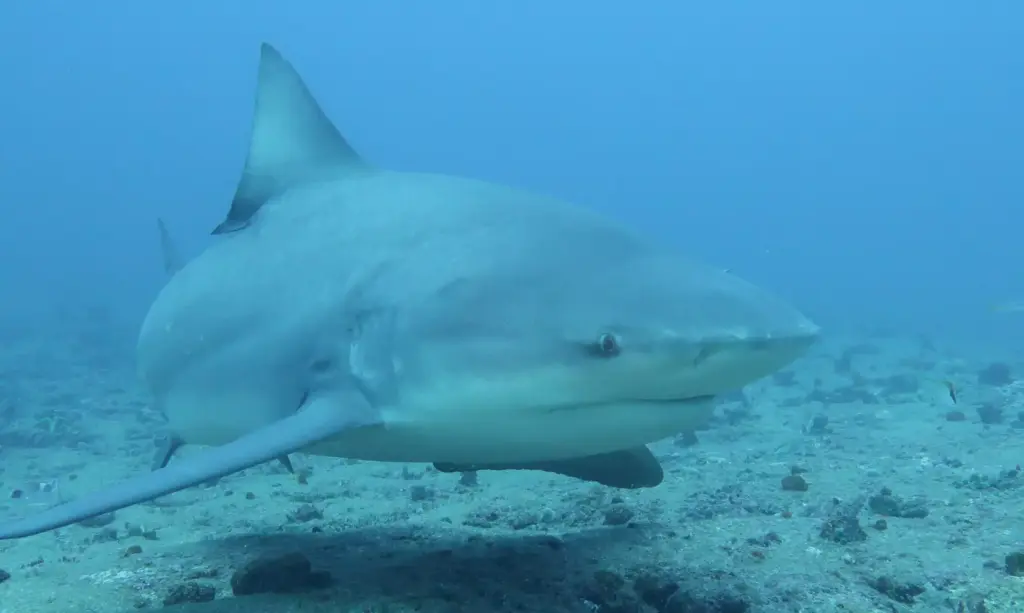
The bull shark, Carcharhinus leucas, is a large coastal shark known for its powerful build and ability to live in a wide range of marine environments.
It is one of the shark species most frequently associated with close encounters with divers.
Seeing a bull shark underwater is very different from seeing a small reef shark cruising over coral.
They are powerful animals, and watching them move through the blue can be an impressive experience.
As with all wildlife encounters, however, the animals should be treated with respect and observed according to the procedures established by the local dive team.
What to Expect During a Santa Lucía Shark Dive
A shark dive is different from an ordinary reef dive.
Before entering the water, the dive team provides a detailed briefing explaining the site, procedures, positioning, communication and safety rules.
Once underwater, divers follow the instructions of the local guides and maintain the agreed position.
The objective is not to chase the sharks.
Instead, divers observe the animals while following the controlled procedures established by the dive team.
Depending on the day and conditions, divers may see one or several bull sharks during the encounter.
(Scuba diver observing a bull shark in Santa Lucía Cuba)
Shark diving activity in Cuba is wildlife activity, so the number of sharks and the length of an encounter can never be guaranteed.
Controlled Shark Encounters
Some Santa Lucía shark dives involve controlled feeding as part of the encounter.
Official Cuban tourism information specifically describes a bull shark feeding show at the entrance to the Nuevitas Bay channel.
This is a specialized activity that should only be conducted by experienced local professionals using established procedures.
For visiting divers, the important point is to follow the briefing exactly.
Do not attempt to reproduce feeding techniques independently, attract sharks yourself, or change your position without the guide’s instruction.
The experience is about observing the animals not trying to interact with them directly.
How Deep Is Shark Diving in Santa Lucía?
The bull shark-diving Cuba profile described for Santa Lucía is approximately 18 to 32 meters.
This is significantly deeper than many relaxed recreational reef dives.
Because of the depth, the nature of the encounter and the conditions that can be involved, this experience is better suited to experienced certified divers with the appropriate certification and recent diving experience for the planned profile.
Your local dive operator should determine whether the dive is appropriate for your certification, experience, current condition and the conditions on the day.
What Else Can You See Underwater?
The sharks are the main attraction, but Santa Lucía offers much more.
Depending on the dive site, divers can encounter:
- Groupers
- Snapper
- Jacks
- Barracudas
- Tropical reef fish
- Sea fans
- Hard and soft corals
- Sponges
- Other Caribbean marine life
The surrounding reef environment provides the backdrop for the shark encounters and also makes the region interesting for underwater photography.
Santa Lucía’s Coral Reefs
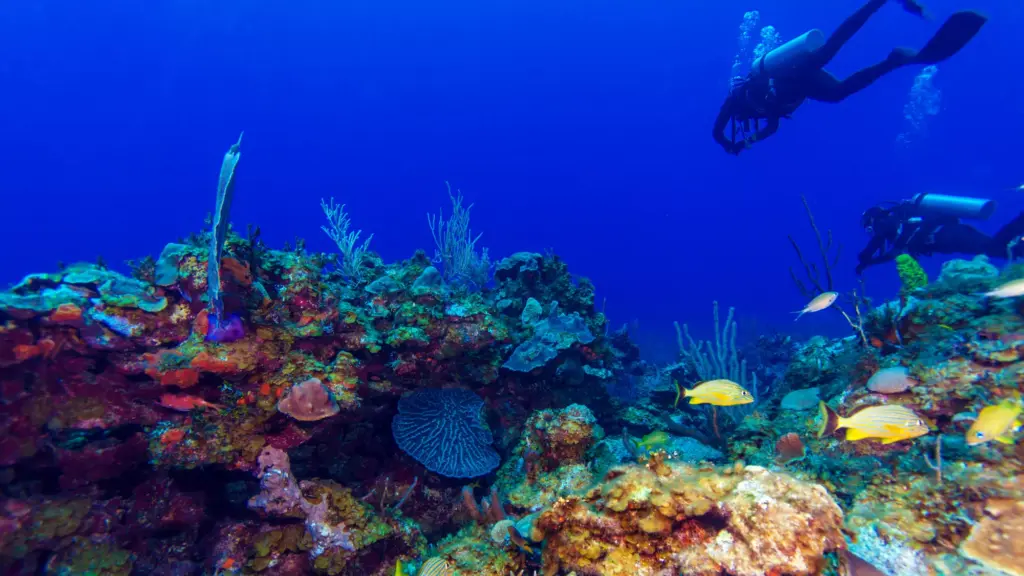
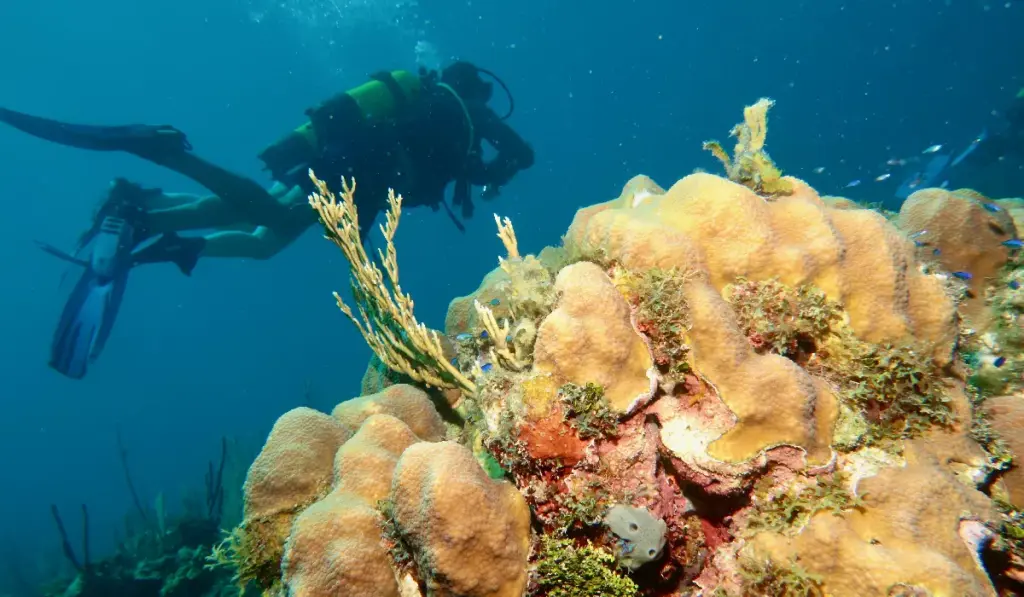
Santa Lucía’s diving environment includes extensive coral formations and reef habitats.
Official Cuban tourism information describes the area as having extensive coral reefs and approximately 35 dive sites.
Rather than describing the reef as “pristine,” it is more useful to focus on what divers can actually experience: coral formations, marine life, walls and different underwater environments across multiple sites.
This also makes Santa Lucía a destination worth considering even if you want to combine a shark dive with more traditional reef diving.
Shipwreck Diving in Santa Lucía
Santa Lucía is also known for its shipwrecks.
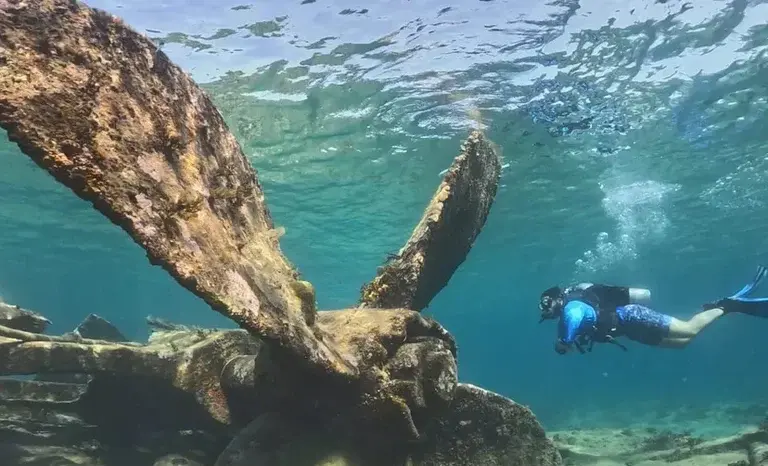
The region has wrecks dating from the 19th and 20th centuries, providing another reason for divers to visit beyond the shark encounters.
Among the wrecks associated with the area are Nuestra Señora Virgen de Altagracia and Nuevo Mortera.
Over time, wrecks can become part of the marine environment, providing shelter and habitat for fish and other organisms.
For divers interested in underwater history, combining a shark experience with wreck diving can make a Santa Lucía trip particularly varied.
Shark Diving and Underwater Photography
Shark diving in Santa Lucia Cuba offers exciting opportunities for underwater photographers interested in large marine animals.
A bull shark moving through clear blue water creates a very different photographic subject from a small reef fish.
For photographers:
- Keep your equipment streamlined.
- Follow the guide’s positioning instructions.
- Avoid chasing animals for a better photograph.
- Keep your attention on the shark as well as your camera.
- Do not allow photography to interfere with the group’s safety.
- Respect the distance and procedures established during the briefing.
The best shark photographs usually come from being prepared and patient rather than trying to get closer.
When Is the Best Time to See Bull Sharks?
Santa Lucía is associated with seasonal bull shark encounters, and November to April is commonly identified as an important period for shark activity.
However, shark sightings are wildlife encounters and should never be presented as guaranteed.
The exact timing and activity can vary from year to year and with local conditions.
If seeing bull sharks is the main reason for your trip, check current conditions and shark activity with the local dive operator before planning your travel dates.
Is Shark Diving Safe?
Shark diving in Cuba requires a different level of preparation from a typical recreational reef dive.
The most important factor is following the procedures established by the professional dive team.
Before the dive
- Listen carefully to the briefing.
- Understand the planned depth and dive profil
- Know the communication signals
- Follow the guide’s positioning instructions.
- Check your equipment carefully.
- Make sure you have the appropriate certification and experience.
- Be physically and mentally prepared for the dive.
During the dive
- Never chase a shark.
- Never touch a shark.
- Never attempt to feed a shark yourself.
- Do not separate from the group.
- Follow the guide’s instructions.
• Keep your equipment controlled and streamlined.
There is an important difference between saying a shark dive is professionally managed and saying it is “perfectly safe.” No wildlife dive is completely without risk, which is why proper preparation and professional supervision matter.
Who Should Go Shark Diving in Santa Lucía?
A Santa Lucía shark dive is best suited to divers who are:
- Certified scuba divers
- Comfortable in open water
- Comfortable with deeper diving
- Experienced enough to follow a structured dive plan
- Comfortable around large marine animals
- Physically and mentally prepared for the conditions
The shark encounter should not be your first-ever scuba experience.
If you are a newer diver, there are many other Cuban dive sites that offer a more appropriate introduction to scuba diving.
For example, Playa Coral near Varadero offers shallow shore diving and is much better suited to beginners and Discover Scuba experiences.
Santa Lucía Compared With Other Cuban Dive Experiences
Cuba offers very different types of diving.
If your priority is sharks and big-animal encounters, Santa Lucía should be high on your list.
If you prefer easy shore diving and shallow coral reefs, Playa Coral near Varadero offers a completely different experience.
If you enjoy wreck history and shallow reef diving, the Damuji wreck near Varadero is another interesting option.
And if you want coral formations, channels and a quieter feeling away from the main tourist areas, Bacunayagua provides another distinctive experience.
Each site offers a different way to discover Cuba underwater.
Local Insight from Scuba Vida
Local Insight: Santa Lucía is not a destination we would recommend simply because it has sharks. The attraction is the combination of the shark encounter with a much larger diving area that includes coral reefs, marine life and historic wrecks.
The shark experience itself is very different from a normal reef dive. The briefing and instructions from the local dive team are an essential part of the experience. You are there to observe the sharks, not to chase or interact with them.
For divers who are properly prepared for the depth and conditions, seeing a bull shark moving through the blue is one of those underwater moments that stays with you long after the dive is over.
Responsible Shark Diving
Sharks play an important role in marine ecosystems.
Responsible shark diving means respecting the animals and following the procedures designed to minimize unnecessary disturbance.
Choose professional operators who:
- Provide a clear safety briefing.
- Use trained local guides.
- Explain the encounter procedure before the dive.
- Respect local marine regulations.
- Avoid unnecessary interaction with wildlife.
- Encourage responsible underwater behavior.
As a diver, your role is simple: observe, respect and follow the established procedures.
Planning a Shark Diving Trip to Santa Lucía
Santa Lucía is located in Camagüey province on Cuba’s northern coast.
Official Cuban tourism information places Playa Santa Lucía approximately 110 km from Camagüey city and describes the beach as extending along the northern coast toward Playa Los Cocos.
Before booking, confirm:
- Current shark activity
- Available dive dates
- Required certification
- Minimum experience
- Planned depth
- Number of dives
- Equipment requirements
- Transportation
- Weather and sea conditions
Because this is a specialized dive, planning ahead is especially important.
Why Add Santa Lucía to Your Cuba Diving Itinerary?
Santa Lucía offers something that is difficult to reproduce at a typical Caribbean resort dive site.
You can combine:
Bull sharks + coral reefs + shipwrecks + tropical marine life
in one destination.
For experienced divers, that combination makes Santa Lucía one of the most adventurous diving destinations to consider in Cuba.
Ready to Dive with Bull Sharks?
If diving with bull sharks is one of your Cuba diving goals, Santa Lucía deserves serious consideration.
The experience is not simply about seeing a shark.
It is about descending into a different underwater environment, following a professional dive plan and sharing the water with one of the ocean’s most impressive predators.
Ready to discover shark diving in Cuba?
Contact Scuba Vida to discuss your Cuba diving plans and find out how Santa Lucía can fit into your itinerary.
Related Articles
Best Time of Year to Dive in Cuba
Planning your Cuba diving trip? Learn how weather, water temperature, visibility and seasonal marine life can influence your diving experience.
Bacunayagua Diving Cuba: Coral Reefs, Marine Life & Cuba’s Highest Bridge
Explore coral heads, channels and Caribbean marine life at one of the distinctive dive sites between Varadero and Matanzas.
Playa Coral Cuba: Snorkeling & Shore Diving Near Varadero
Discover an easy-access shore diving location near Varadero with shallow coral formations and abundant tropical fish.
Diving the Damuji Wreck: History, Marine Life & Shore Diving Near Varadero
Explore the shallow remains of the Damuji wreck and discover how the shipwreck became part of the surrounding reef.
About Scuba Vida
Scuba Vida is a local Cuban dive team based in Varadero, offering scuba diving experiences and helping visitors discover Cuba’s underwater world.
From relaxed reef dives to more adventurous diving experiences, our focus is on safe, personal and responsible diving with local knowledge.