If you’re visiting Cuba and wondering about snorkeling in Varadero, you’re in the right place.
Varadero is famous for its long sandy beach, but the area also offers accessible reef environments where you can see tropical fish and coral without needing scuba certification.
The key is choosing the right location.
Not every beach in Varadero has the same underwater environment, and sea conditions can change from one day to another.
In this guide, we’ll cover the best-known snorkeling spots near Varadero, what marine life you may see, beginner tips and what to consider when choosing a guided snorkeling experience.
At a Glance
Question What to Know
Best-known snorkeling area Playa Coral
Other option Selected areas around Bacunayagua
Experience required No previous snorkeling experience for a guided introductory experience
Certification required No scuba certification required
Marine life Tropical reef fish, parrotfish, butterflyfish, angelfish and other reef animals
Best conditions Lower wind, manageable sea conditions and good visibility
Guided tour useful for Beginners, visitors unfamiliar with the area and travelers wanting local guidance
Main reef rule Do not touch, stand on or collect coral or marine life
Is Snorkeling in Varadero Worth It?
Yes, especially if you choose a reef area rather than expecting the same underwater experience from every section of the main Varadero beach.
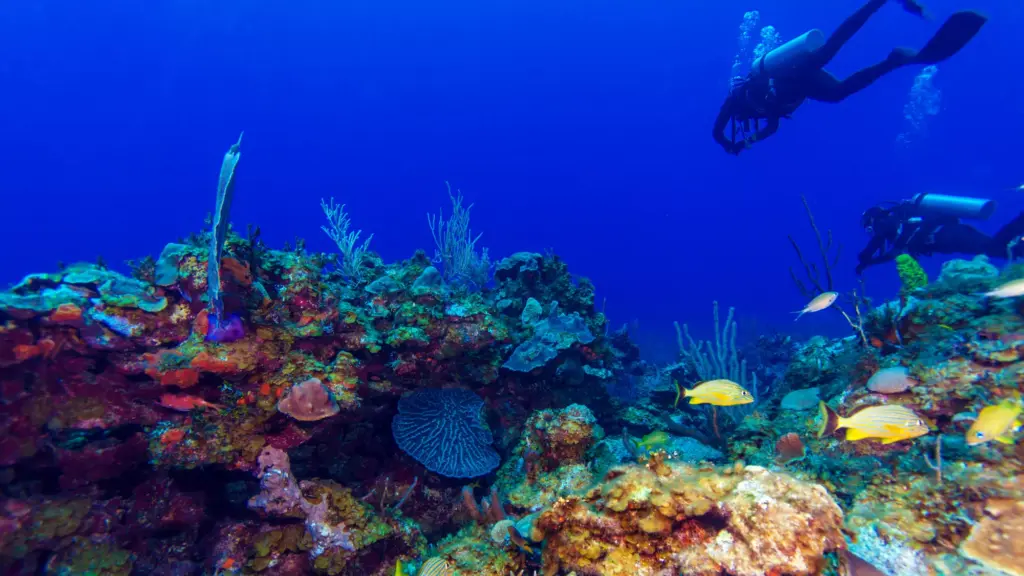
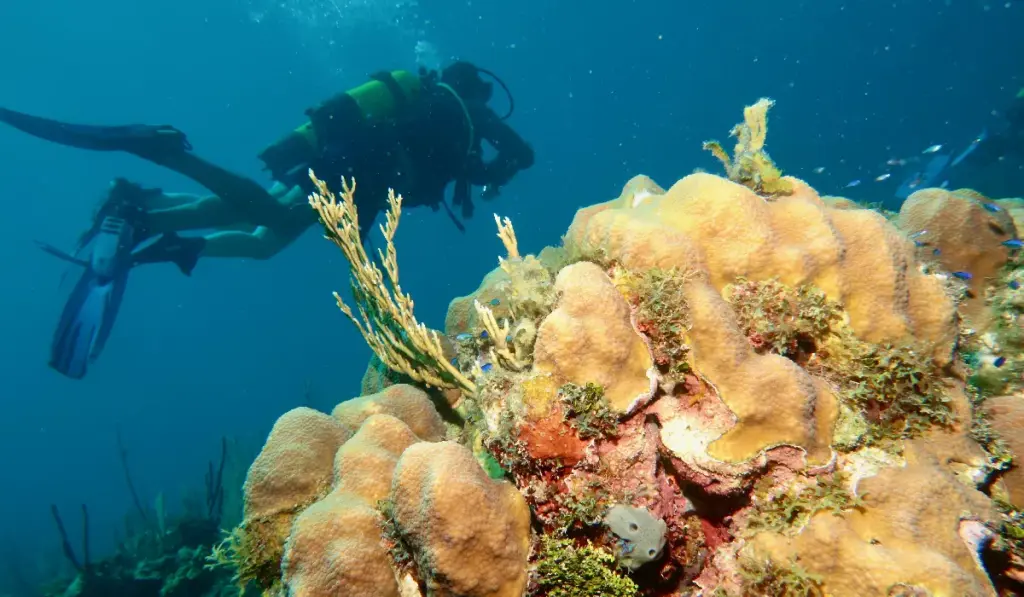
Some locations around Varadero provide access to shallow reef environments where you can observe:
• Coral formations
• Tropical reef fish
• Sponges and other reef organisms
• Sandy channels
• Small reef structures
• Marine life moving through the coral
For many visitors, snorkeling is also an easy way to experience Cuba’s underwater environment without committing to scuba diving.
And if you enjoy snorkeling, you can always consider trying scuba diving later.
Best Snorkeling Spots Near Varadero
1. Playa Coral
Playa Coral is one of the best-known snorkeling and shore-diving locations near Varadero.
Its main attraction for snorkelers is accessibility.
The reef begins close to shore, so you do not need a boat to reach the underwater environment.
Depending on the route and conditions, snorkelers can see coral formations and many of the same reef fish encountered by divers.
You may see:
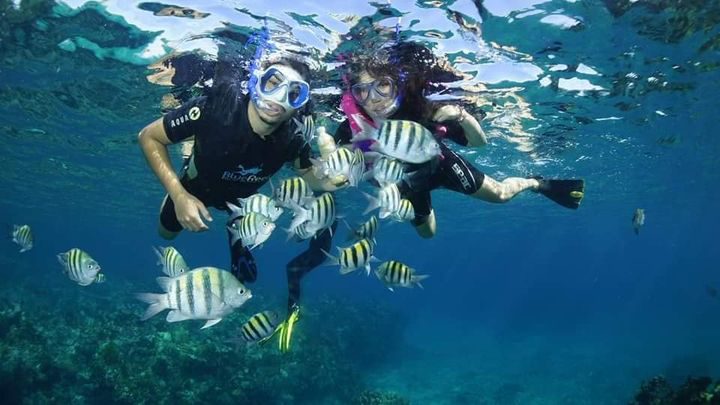
• Parrotfish
• Butterflyfish
• Yellow snapper
• Doctor fish
• Chopas
• Isabelitas
• Other tropical reef fish
The shallow environment also makes Playa Coral particularly interesting for people who want to combine snorkeling with a first scuba experience.
What Makes Playa Coral Good for Snorkeling?
• Reef accessible from shore
• Shallow areas
• Coral formations close to the entrance
• Tropical reef fish
• No boat required
• Suitable for beginners when conditions are appropriate
• Good opportunity for underwater photography
Read more:
Playa Coral Cuba: Snorkeling & Shore Diving Near Varadero
2. Bacunayagua
Bacunayagua is another area where snorkeling and diving can be combined, although the underwater experience is different from Playa Coral.
The area is known for its coral formations, reef structure and dramatic landscape above the water.
Snorkeling conditions depend on the specific entry point and the sea conditions on the day.
For visitors interested in both snorkeling and scuba diving, Bacunayagua can be particularly interesting because you can experience the same coastal environment in different ways.
Read more:
Bacunayagua Diving Cuba: Coral Reefs, Marine Life & Cuba’s Highest Bridge
What Marine Life Can You See While Snorkeling?
One of the best things about snorkeling is that you do not need to dive deep to see interesting marine life.
At shallow reef areas around Varadero, you may encounter:
Parrotfish
Parrotfish are among the most recognizable Caribbean reef fish.
Their bright colors and beak-like mouths make them easy to identify, and they can often be seen moving over the reef while feeding.
Butterflyfish
Butterflyfish are smaller, colorful reef fish that often stay close to coral structures.
They can be quick, so slowing down and watching the reef rather than chasing individual fish usually gives you a better chance of observing them.
Angelfish
Angelfish are another colorful group that snorkelers may encounter around coral formations.
They can be particularly rewarding for underwater photographers.
Surgeonfish and Other Reef Fish
Schools of reef fish can make shallow snorkeling especially interesting.
Look around coral heads, sandy channels and the edges of reef formations rather than only looking straight down.
Pufferfish
Pufferfish can sometimes be seen around reef environments.
If you encounter one, observe it without approaching or touching it.
Lobsters and Octopus
Lobsters and octopus are possible sightings, but they should be considered special encounters rather than guaranteed sightings.
Marine life is wild and changes from one day and site to another.
For a broader guide, read:
Top Marine Animals You’ll See in Varadero, Cuba
Do You Need Experience to Snorkel?
You do not need previous snorkeling experience to join an introductory guided snorkeling experience.
However, you should be comfortable enough in the water to participate safely.
A guided experience can be particularly useful for beginners because you can receive:
• Equipment
• Basic instructions
• Guidance on how to use the mask and snorkel
• Information about the reef
• Local knowledge
• Support during the activity
If you are not comfortable swimming or are worried about being in open water, tell the operator before booking.
Appropriate flotation or additional support may be available depending on the activity, but flotation equipment does not replace good water awareness or supervision.
Should You Snorkel Alone or With a Guide?
You can snorkel independently in some locations, but a guided experience has several advantages.
A Guide Can Help With:
Safety
A guide knows the local entry point and can help you understand the conditions.
Local knowledge
They know where reef formations and marine life are found.
Equipment
Guided tours may include masks, snorkels and fins, depending on the program.
Site selection
Conditions may make one location or route more suitable than another on a particular day.
Relaxation
Instead of worrying about navigation or where to go, you can concentrate on enjoying the reef.
A guide can be especially helpful if:
• It is your first time snorkeling
• You are unfamiliar with the area
• You are traveling with children or less experienced swimmers
• You want to learn about the marine life
• You want to make the most of limited vacation time
What Is a Typical Snorkeling Experience Like?
A guided snorkeling experience usually starts before you enter the water.
Depending on the operator and location, you may:
1. Meet your guide
2. Receive your snorkeling equipment
3. Learn how to use the mask and snorkel
4. Discuss the entry and exit
5. Receive a safety briefing
6. Enter the water
7. Explore the reef with your guide
8. Return to shore and remove your equipment
The exact duration and route depend on the activity, conditions and group.
At Playa Coral, snorkeling can be combined with a broader reef experience, and Scuba Vida also offers snorkeling alongside its diving activities.
Snorkeling vs Scuba Diving in Varadero
Not sure whether snorkeling or scuba diving is right for you?
Here’s a simple comparison:
Snorkeling Scuba Diving
Certification Not required Required for independent certified diving
Equipment Mask, snorkel and fins Full scuba equipment
Depth Surface Below the surface
Training Basic instruction Formal training or supervised Discover Scuba
Physical effort Generally less equipment More equipment and preparation
Best for Relaxed surface exploration Spending more time underwater
Marine life Shallow reef species Shallow and deeper reef environments
If you’re curious about scuba but not ready for certification, you can also explore a supervised Discover Scuba experience.
Read more:
Snorkeling vs Scuba Diving: Which Is Right for You in Cuba?
Tips for First-Time Snorkelers
Your first snorkeling experience does not need to be complicated.
1. Relax
Trying to swim too hard can make snorkeling tiring.
Take slow, comfortable breaths through the snorkel and allow your fins to do most of the work.
2. Keep Your Face in the Water
The more time you spend looking beneath the surface, the more marine life you will notice.
Move slowly rather than constantly lifting your head.
3. Use Your Fins Gently
Large, fast kicks are usually unnecessary.
Controlled fin movements are more comfortable and help reduce accidental contact with the reef.
4. Stay With Your Guide
If you are participating in a guided activity, remain within the area and distance recommended by your guide.
5. Don’t Panic
If water enters your snorkel or you feel uncomfortable, stop, lift your head and communicate with your guide.
There is no reason to rush.
6. Protect Your Skin
Use sun protection appropriate for the activity.
UV-protective clothing can reduce the amount of sunscreen that needs to enter the water.
When Is the Best Time to Snorkel in Varadero?
Snorkeling is possible at different times of year, but the quality of the experience depends heavily on the conditions on the day.
The most useful conditions are generally:
• Manageable wind
• Moderate sea conditions
• Good visibility
• Suitable water conditions
• A reef site appropriate for the day’s conditions
Weather can change, so a good local operator should be willing to adjust the location or timing when necessary.
Read more:
Best Time of Year to Dive in Cuba
Snorkel Responsibly
Snorkeling may look simple, but you are still visiting a living marine ecosystem.
The most important rules are easy:
Don’t Touch Coral
Coral is alive.
Even apparently hard or lifeless-looking structures can be part of a living reef environment.
Don’t Stand on the Reef
If you need to rest, move away from the coral and use an appropriate area where you will not damage the reef.
Don’t Chase Marine Life
Let animals decide how close they want to come.
You will usually get a better experience by remaining calm and observing.
Don’t Collect Anything
Leave coral, shells and other marine organisms where you find them.
Secure Your Equipment
Make sure fins, cameras and other equipment do not drag across the reef.
Minimize Sunscreen in the Water
Consider UV-protective clothing, shade and other ways to reduce the amount of sunscreen entering the marine environment.
Also remember that “reef-safe” is not a standardized guarantee that a sunscreen has no environmental impact.
Read more:
Marine Life & Conservation in Cuba: A Diver’s Guide to Protecting Our Oceans
Coral Bleaching in Cuba: What Divers Need to Know
Why Local Knowledge Matters
A snorkeling site that looks good on a map may not be the best choice on a particular day.
Local guides understand the coastline, access points and typical conditions at different locations.
They can also help you find the most appropriate area based on:
• Wind
• Sea conditions
• Visibility
• Experience
• Group size
• What you want to see
This is one of the biggest advantages of choosing a local snorkeling experience rather than simply arriving at a beach and hoping the conditions are right.
Snorkeling With Scuba Vida
At Scuba Vida, snorkeling is part of the same underwater environment we explore with our divers.
That means we can help you choose an experience based on your comfort level, interests and the conditions on the day.
You do not need to be an experienced snorkeler.
If you are comfortable in the water and want to explore Cuba’s reefs at the surface, snorkeling can be a simple and enjoyable way to start.
And if you discover that you want to spend more time underwater, you can always ask about a Discover Scuba experience.
Private Transfers for Snorkeling Trips
If your snorkeling location is outside your accommodation area, private transportation can make the experience easier—especially for families or groups carrying snorkeling equipment.
Scuba Vida can also help arrange private transfers in Cuba depending on your itinerary.
Read more:
Private Transfers in Cuba with Scuba Vida
Is Snorkeling in Varadero Right for You?
If you want to explore Cuba’s marine life without scuba equipment or certification, snorkeling is a great place to start.
Playa Coral is one of the most accessible reef areas near Varadero, while Bacunayagua provides another option depending on the conditions and your interests.
The most important things are simple:
Choose the right site.
Check the conditions.
Listen to your guide.
Respect the reef.
And most importantly, take your time and enjoy looking beneath the surface.
Go Snorkeling in Varadero
Planning to snorkel in Varadero?
Send Scuba Vida your:
• Travel dates
• Number of people
• Experience level
• Whether you are comfortable swimming
• What type of experience you are looking for
We’ll help you choose an appropriate snorkeling experience based on your group and the conditions.
Ready to see what’s beneath the surface?