If you’re thinking about snorkeling in Varadero, Cuba, you may be wondering whether it’s safe for you, your family or your first time in the ocean.
Snorkeling in Varadero can be a safe and enjoyable activity when you choose a suitable location, pay attention to sea conditions, use appropriate equipment and stay within your swimming ability.
Popular snorkeling areas such as Playa Coral offer relatively shallow reef areas close to shore, making them accessible for visitors who are comfortable in the water. But, as with any ocean activity, conditions can change and snorkeling should always be approached with appropriate caution.
Here’s what you should know before getting in the water.
At a Glance
Question What to know
Is snorkeling in Varadero safe? It can be, when conditions and the activity are appropriate for you.
Is it suitable for beginners? Yes, for people comfortable in the water and with appropriate supervision when needed.
Are the reefs deep? Some snorkeling areas are shallow, but depth and conditions vary by location.
Is marine life dangerous? Most encounters are harmless when animals are observed without touching or chasing them.
Should I snorkel alone? It’s better to stay with a buddy, group or guide.
Can children snorkel? It depends on swimming ability, age, conditions and appropriate adult supervision.
What Makes Snorkeling in Varadero Safe?
The biggest factor isn’t simply the name of the destination.
Safety depends on the combination of the location, weather, sea conditions, your swimming ability, equipment and how the activity is organized.
A calm-looking beach can still have waves, currents or changing conditions. Likewise, a reef that is comfortable for one experienced swimmer may not be appropriate for someone who is nervous or inexperienced in open water.
Before entering the water, consider:
• Wind and wave conditions
• Visibility
• Your swimming ability
• Whether you are comfortable in open water
• Water temperature
• The distance you will swim from shore
• Whether a guide is available
• Whether you have appropriate flotation or other equipment
If conditions are uncomfortable, there is no reason to force the activity. Waiting for better conditions is part of responsible snorkeling.
Is Playa Coral Safe for Snorkeling?
Playa Coral is one of the best-known snorkeling and shore-diving locations near Varadero.
The reef begins close to shore, and the shallow areas can be suitable for snorkeling when sea conditions are appropriate.
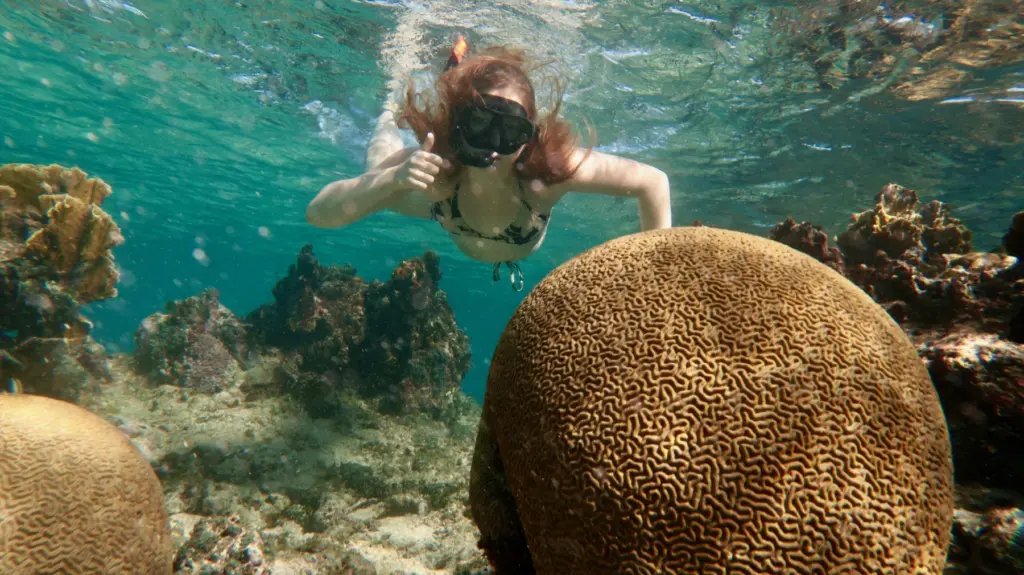
One of the advantages of Playa Coral is that you don’t need to take a boat simply to reach a reef environment. Depending on the route and conditions, visitors can explore relatively shallow water and observe coral formations and tropical fish.
However, shallow does not automatically mean risk-free.
Snorkelers still need to be comfortable in the water, avoid contact with the reef and follow local guidance about where and when to enter.
You can also read our guide to [Playa Coral snorkeling and shore diving] when planning your visit.
What About Bacunayagua?
Bacunayagua Bridge is another area where coastal scenery and marine life can be combined with a visit to the famous Bacunayagua landscape.
Snorkeling conditions here can vary according to weather, wind, waves and the particular route being used.
This is why we recommend treating local conditions—not a generic description of the site—as the deciding factor.
A local guide can help determine whether the conditions are appropriate on the day and which part of the area is most suitable for the group.
Is Marine Life Dangerous?
For most snorkelers, observing normal reef marine life is not a major safety concern.
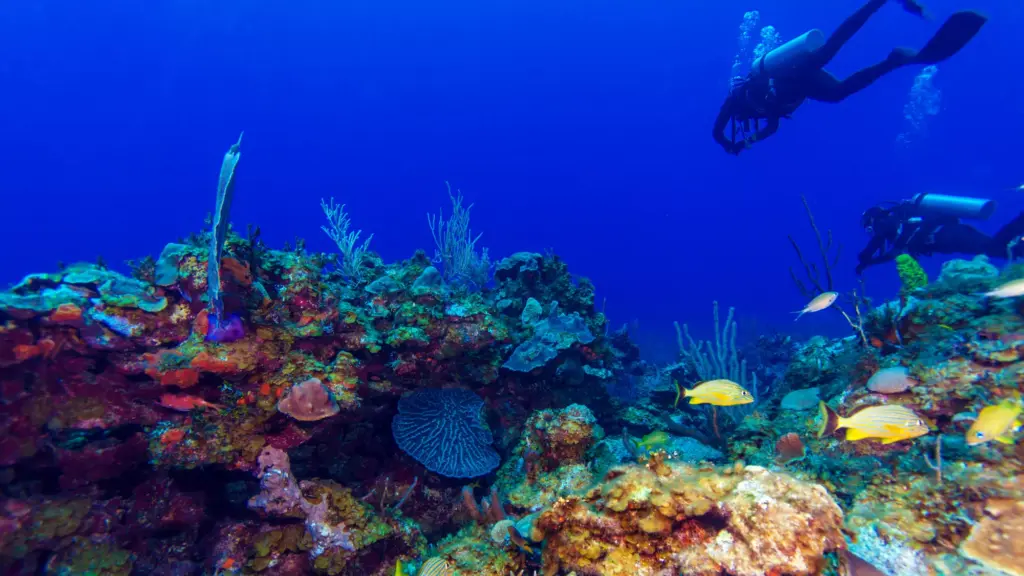
You may encounter tropical fish, parrotfish, butterflyfish, surgeonfish, grunts, snappers and other reef species.
You may also occasionally see animals such as rays, lobsters or an octopus.
The most important rule is simple:
Look, don’t touch.
Don’t:
• Touch marine animals
• Chase animals
• Feed fish
• Grab or pick up creatures
• Stand on coral
• Collect shells or marine life
Most animals are best appreciated from a respectful distance.
Remember that wild animals are not there for interaction. Even an animal that appears calm can react defensively if it feels threatened.
What About Sharks?
Sharks are not something most visitors should expect to encounter while snorkeling around the typical Varadero reef areas.
Cuba also has dedicated shark-diving destinations, such as Santa Lucía, where shark encounters are specifically part of organized diving experiences.
That is very different from ordinary recreational snorkeling around Varadero.
If you’re snorkeling near Varadero, your attention is much more likely to be on tropical reef fish and the coral environment than on sharks.
Is Snorkeling Safe for Beginners?
Snorkeling can be suitable for beginners, but being a beginner doesn’t remove the need for basic water confidence.
You should be comfortable:
• Floating in open water
• Breathing through a snorkel
• Using fins
• Entering and exiting the water safely
• Staying with your group
• Remaining calm if water enters your mask or snorkel
If you’ve never snorkeled before, a guided experience can make the first attempt much easier.
A guide can explain the equipment, show you how to enter the water, identify marine life and help you understand local conditions.
What If You’re Not a Strong Swimmer?
This is particularly important.
A flotation device can provide support, but it does not make an unsuitable snorkeling situation safe.
If you aren’t comfortable swimming in open water, tell your guide before entering the sea.
Depending on the situation, the appropriate choice may be:
• Using suitable flotation equipment
• Staying in a shallow area
• Remaining closer to shore
• Having dedicated supervision
• Choosing another activity
Never feel pressured to enter deeper water simply because other people in your group are doing so.
Is Snorkeling Safe for Children?
Children can enjoy snorkeling, but suitability depends on several factors rather than age alone.
Consider:
• Swimming ability
• Comfort in open water
• Water temperature
• Sea conditions
• Equipment fit
• Adult supervision
• The child’s ability to follow instructions
Children should always be closely supervised by a responsible adult.
If the sea becomes rough or the child becomes tired, cold, frightened or uncomfortable, end the activity.
A short, positive experience is much better than pushing a child to stay in the water.
What Equipment Do You Need?
Basic snorkeling equipment normally includes:
• Mask
• Snorkel
• Fins
• Appropriate swimwear
• Sun protection
Depending on the person and conditions, flotation equipment may also be appropriate.
The most important thing is that the equipment fits correctly.
A leaking mask, poorly fitting fins or an uncomfortable snorkel can turn an easy experience into a stressful one.
If you’re joining a guided snorkeling experience, ask what equipment is provided before you arrive.
Check the Sea Before You Enter
One of the simplest snorkeling safety habits is also one of the most important:
Look at the conditions before getting into the water.
Wind can increase waves and affect visibility. Rain and changing weather can also influence water conditions.
Even if the sea was calm yesterday, today’s conditions may be different.
Local guides and dive professionals can help assess:
• Wind
• Waves
• Visibility
• Entry conditions
• Current
• Suitable snorkeling areas
If conditions aren’t suitable, the plan may need to change.
That’s normal.
Don’t Swim Too Far From Shore
It’s easy to underestimate how tiring snorkeling can be.
Swimming against waves or wind can use much more energy than expected, particularly if you’re wearing fins incorrectly or are not used to open-water swimming.
Stay within the area recommended by your guide and don’t separate yourself from your group.
If you’re snorkeling independently, use the buddy system rather than entering the water alone.
Protect Yourself From the Sun
Cuba’s tropical sun can be strong, and snorkeling can make it easy to spend more time outside than you realize.
Consider:
• UV-protective rash guards
• A long-sleeved swim shirt
• A hat when you’re out of the water
• Shade during surface intervals
• Appropriate sunscreen on exposed skin
If you’re using sunscreen, minimize how much enters the water and follow responsible reef practices. The term “reef-safe” is not a standardized guarantee that a sunscreen has no environmental impact.
Protect the Reef While You Snorkel
Safety isn’t only about protecting yourself.
It’s also about protecting the environment you’re visiting.
Good snorkeling habits include:
• Keep your fins away from coral
• Don’t stand on the reef
• Don’t touch coral
• Don’t grab marine animals
• Don’t feed wildlife
• Don’t collect shells or marine life
• Secure loose equipment
• Maintain good body position in the water
Coral can be damaged surprisingly easily.
You don’t need to touch the reef to appreciate it.
When Should You Skip Snorkeling?
There are times when the safest decision is simply not to enter the water.
Consider postponing your snorkeling if:
• Waves are too strong for your ability
• You’re feeling unwell
• You’re exhausted
• You’re uncomfortable in the water
• Visibility is poor
• You don’t have suitable equipment
• You don’t understand the instructions
• You feel pressured or unsafe
There’s always another opportunity.
A responsible snorkeling operator should be comfortable changing or postponing an activity when conditions aren’t appropriate.
Is Guided Snorkeling Safer?
For visitors unfamiliar with Varadero, a guide can be particularly useful.
A local guide can help with:
• Choosing an appropriate entry point
• Understanding current conditions
• Equipment
• Navigation
• Identifying marine life
• Reef etiquette
• Staying with the group
Guidance doesn’t eliminate every risk, but it can help you make better decisions about where and when to snorkel.
This is particularly valuable for first-time snorkelers or visitors who aren’t familiar with local conditions.
Snorkeling With Scuba Vida
At Scuba Vida, we believe a good snorkeling experience starts with choosing the right conditions and matching the experience to the people in the water.
For visitors exploring Playa Coral and other areas near Varadero, our local knowledge helps us assess the conditions and choose an appropriate experience for the group.
If you’re new to snorkeling, nervous about open water or simply want someone familiar with the area, tell us about your experience before the activity.
The goal isn’t to get everyone into the water regardless of conditions.
The goal is to have a relaxed, enjoyable experience when the conditions are right.
Snorkeling Safety Checklist
Before you enter the water, ask yourself:
☐ Am I comfortable swimming in open water?
☐ Do I have properly fitting equipment?
☐ Have I checked the sea conditions?
☐ Do I understand where I should stay?
☐ Am I staying with my buddy or group?
☐ Do I know what to do if I become tired or uncomfortable?
☐ Am I prepared to leave the water if conditions change?
☐ Can I observe the reef without touching it?
If the answer to these questions is yes, you’re starting with the right approach.
So, Is Snorkeling in Varadero Safe?
Snorkeling in Varadero can be a safe and enjoyable experience when the activity matches your abilities and the conditions are suitable.
There is no need to describe any ocean activity as completely risk-free. The important thing is understanding the environment, using appropriate equipment, respecting your limits and getting local guidance when you need it.
For many visitors, shallow reef areas such as Playa Coral offer an accessible introduction to snorkeling near Varadero.
And remember:
Good snorkeling isn’t about going farther or deeper. It’s about being comfortable, observing the reef responsibly and enjoying the experience.
Ready to Snorkel in Varadero?
Planning to visit Playa Coral or another snorkeling area near Varadero?
Tell Scuba Vida your travel dates, group size and snorkeling experience, and we can help you choose an appropriate experience based on the conditions.
Explore Cuba’s underwater world—comfortably, responsibly and at your own pace.
Related Articles
• [Snorkeling in Varadero: Best Spots, Tips & Tours]
• [Playa Coral Cuba: Snorkeling & Shore Diving Near Varadero]
• [Snorkeling vs Scuba Diving: Which Is Right for You in Cuba?]
• [Is Diving in Cuba Safe? A Beginner’s Guide]
• [How to Choose a Responsible Dive Operator in Cuba]
• [Top Marine Animals You’ll See in Varadero, Cuba]
About Scuba Vida
Scuba Vida is a local dive and travel company based in Varadero, Cuba, offering scuba diving, snorkeling experiences, excursions and private transfers. Our approach is simple: combine local knowledge with responsible diving and personalized experiences.