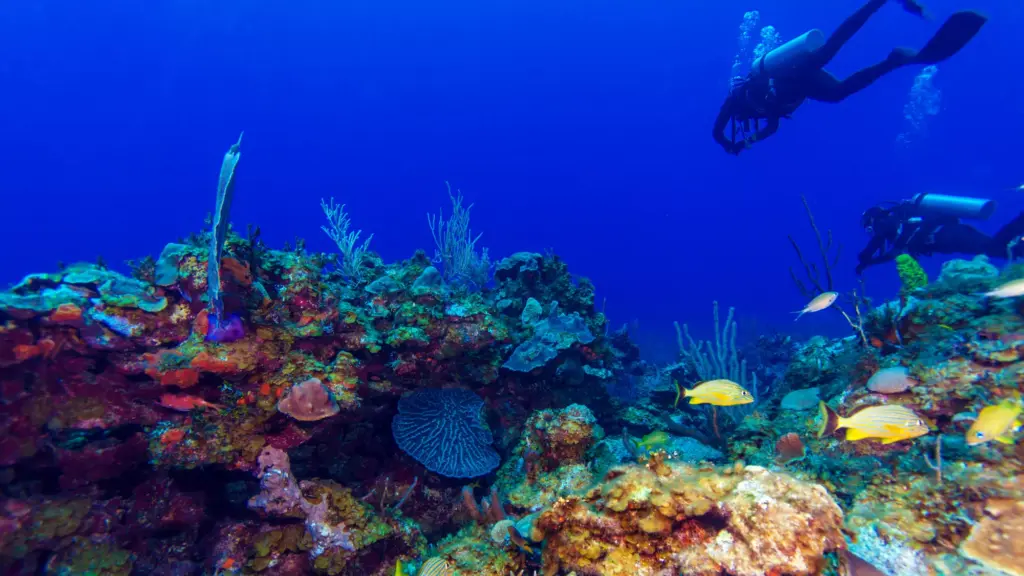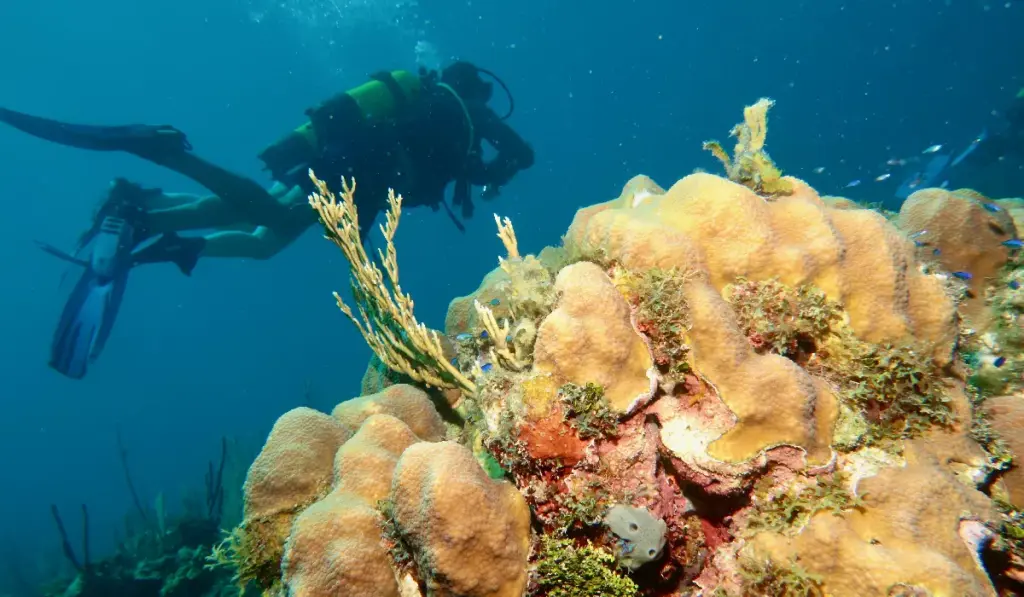
Wreck diving adds something special to a scuba trip.
You are not simply exploring a reef. You are swimming around a piece of history that has gradually become part of the underwater environment.
In Cuba, wrecks can combine:
• Marine life and coral growth
• Historic ship remains
• Artificial reef habitat
• Interesting underwater structures
• Photography opportunities
• A different type of diving adventure
But wreck diving also requires a little more preparation than a typical reef dive.
Before you book a wreck dive in Cuba, it is important to understand certification, depth, access, wreck condition and the difference between exploring a wreck from the outside and entering it.
At a Glance
What to know Wreck Diving in Cuba
Certification Depends on the wreck and dive profile
Shallow wrecks Some are accessible to Open Water-certified divers
Deeper wrecks May require additional certification and experience
Penetration Requires specific training and appropriate equipment
Marine life Coral, sponges and reef fish are common around established wrecks
Main skills Buoyancy, gas management, navigation and situational awareness
Best for Certified divers interested in history, marine life and underwater photography
Local guide Strongly recommended
What Makes Wreck Diving Special?
A wreck changes over time.
After sinking, a vessel can become part of the surrounding ecosystem. Corals, sponges and other marine organisms colonize the structure, while fish use openings and sheltered areas as habitat.
That means a wreck can become both a historical site and a living reef environment.
Depending on the site, you may see:
• Schools of tropical fish
• Snappers and grunts
• Groupers
• Moray eels
• Coral growth
• Sponges
• Gorgonians
• Small reef creatures living around the structure
The wreck itself also creates a completely different underwater landscape from a natural coral reef.
Rails, hull sections, machinery and other remains give divers interesting structures to explore and photographers plenty of subjects.
Do You Need Certification to Dive a Wreck?
There is no single certification requirement for every wreck in Cuba.
The appropriate certification and experience depend on:
• Depth
• Sea conditions
• Wreck condition
• Whether the dive is from shore or boat
• Whether the wreck is intact or scattered
• Whether penetration is planned
Some shallow wrecks can be suitable for Open Water-certified divers when the dive remains outside the wreck and conditions are appropriate.
The Damuji wreck near Varadero, for example, is a shallow wreck dive with a maximum depth of around 12 m and is listed by Scuba Vida for Open Water-certified divers.
Deeper wrecks require more experience and appropriate certification.
What About Entering a Wreck?
This is an important distinction.
Swimming around the outside of a wreck is not the same as wreck penetration.
Entering an overhead environment introduces additional hazards, including entanglement, disorientation, silt-out and limited direct access to the surface.
PADI’s Wreck Diver training specifically covers hazards, specialized techniques and procedures for wreck exploration, while DAN highlights hazards such as entanglement and loss of visibility inside wrecks.
If a wreck requires penetration, you should have the appropriate training, equipment and experience for that type of dive.
For many Cuban wrecks, the safest and most enjoyable option is simply to explore the exterior.
What Conditions Can You Expect?
There is no single set of conditions for wreck diving in Cuba.
Each site is different.
Depending on where you dive, you may encounter:
• Shallow or deeper water
• Rocky or sandy approaches
• Shore or boat access
• Variable visibility
• Current or surge
• Coral-covered metal
• Sharp or unstable wreck sections
Your dive guide should assess the conditions and choose an appropriate route for the group.
Rather than expecting a particular visibility or current level, plan to adapt to the site and the conditions on the day.
Featured Wreck: The Damuji
One of the best-known wreck dives near Varadero is the Damuji wreck.
The vessel, originally the Río Damují, ran aground on the northern coast of Matanzas on February 3, 1970. The crew survived, and over the following decades the wreck deteriorated and became integrated into the surrounding reef environment.
Today, the Damuji is not an intact shipwreck.
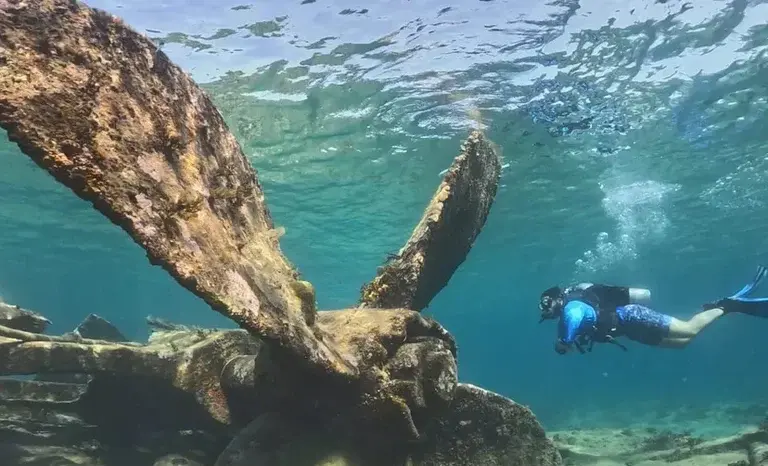
Instead, divers explore scattered remains including sections of the hull, machinery, the propeller and other recognizable pieces of the vessel.
Damuji Dive Profile
• Depth: approximately 5–12 m
• Access: shore, with boat access possible depending on the operator
• Level: Open Water-certified divers
• Type: shallow wreck and reef dive
• Penetration: not recommended
• Marine life: coral, sponges and tropical reef fish
The shallow depth makes Damuji particularly interesting for certified divers who want to experience wreck diving without immediately moving into deep-wreck territory.
But shallow does not mean hazard-free.
There can be sharp metal and partially collapsed sections, so divers should maintain good buoyancy and follow the route provided by their guide.
Why Is Damuji Interesting?
The appeal of Damuji is the combination of history, wreck structure and reef life.
The dive begins in relatively shallow water and can include recognizable features such as the propeller and boiler before continuing toward the coral formations and reef wall.
Because the wreck has broken apart over time, it is better understood as a wreck site integrated into a reef rather than as a complete ship waiting to be explored.
That distinction also makes it different from large, intact wrecks designed specifically for penetration diving.
Wreck Diving Skills Matter
Wreck diving rewards good fundamental scuba skills.
The most important are:
Buoyancy Control
Good buoyancy helps you stay away from fragile coral and metal structures while reducing the chance of accidentally contacting the wreck.
It also helps with air consumption and maintaining a controlled position around the site. DAN identifies buoyancy control as a fundamental component of diving safety.
Gas Management
Wreck dives can involve more navigation and observation than a straightforward reef dive.
Monitor your gas regularly and make sure you have enough reserve for the planned ascent and exit.
Navigation
A wreck can be surprisingly confusing underwater.
Even when you are not entering the wreck, its structure can make it easy to lose your sense of direction.
Listen carefully during the briefing and stay aware of your guide, entry point and planned route.
Situational Awareness
Watch for:
• Sharp metal
• Fishing line or other entanglement hazards
• Unstable structures
• Narrow spaces
• Changing visibility
• Surge or current
• Your buddy and guide
The wreck is not something to climb on, hold onto or move through simply because an opening looks interesting.
Wreck Diving Safety Tips
Before entering the water:
• Check your equipment carefully
• Complete your buddy check
• Listen to the site briefing
• Understand the planned depth and route
• Know where you will begin and end the dive
• Confirm the procedure for separation from your guide or buddy
During the dive:
• Maintain good buoyancy
• Keep your equipment streamlined
• Avoid touching coral and marine life
• Do not grab unstable wreck structures
• Avoid sharp metal
• Monitor your gas supply
• Stay within your certification and experience
• Stay with your buddy and guide
And most importantly:
Do not enter a wreck or overhead space unless you have the appropriate training, equipment and experience.
Wreck Diving and Underwater Photography
Wrecks are excellent subjects for underwater photography because they combine geometry, history and marine life.
Look for:
• Propellers
• Anchors
• Machinery
• Portholes or openings
• Coral-covered metal
• Fish around the wreck
• Divers alongside the structure
A diver in the frame can also give the wreck a sense of scale.
Good buoyancy is particularly important for photographers. Instead of holding onto the wreck to stabilize yourself, work on maintaining a stable position in the water.
Who Is Wreck Diving For?
Wreck diving can be a great choice for:
• Certified divers
• Experienced recreational divers
• Underwater photographers
• Divers interested in maritime history
• Divers who enjoy unusual underwater environments
• People looking for something different from a standard reef dive
You do not have to be an advanced technical diver to enjoy wreck diving.
The key is choosing a wreck that matches your certification, experience and comfort level.
Can Beginners Dive Wrecks?
Some wrecks can be suitable for relatively new certified divers when they are shallow, accessible and explored from the outside.
The Damuji is a good local example because it reaches only around 12 m and is listed for Open Water-certified divers.
However, being newly certified does not automatically make every wreck appropriate.
A local instructor or guide can help determine whether the site is suitable based on:
• Your certification
• Number of recent dives
• Experience with buoyancy
• Comfort in open water
• Depth experience
• Conditions on the day
If you have not dived for a while, a refresher may also be a sensible option before tackling a new type of dive.
Combine Wreck Diving With Reef Diving
One of the best ways to experience Cuba’s underwater environment is to combine different types of dives.
A wreck dive can give you:
History + structure + marine life
A reef dive can give you:
Coral + fish + natural formations
Combining the two makes for a more varied diving day and lets you experience different sides of the underwater environment.
Around Varadero, the Damuji wreck can be combined with nearby reef sites such as Playa Coral depending on the day’s conditions and itinerary.
More Wreck Diving in Cuba
The Damuji is only one example.
Cuba has wreck sites in different regions, with options ranging from shallow scattered remains to deeper historic wrecks.
Depending on where you travel, wreck diving can be combined with:
• Coral reefs
• Reef walls
• Caves
• Marine-life dives
• Shore diving
• Boat diving
If wreck diving is one of your priorities, tell your dive operator your certification level and experience before booking. That makes it easier to select an appropriate site.
Why Dive Wrecks With a Local Guide?
A wreck can look very different on a dive map compared with what you actually see underwater.
Local guides know:
• Where the recognizable wreck features are
• Which sections are worth exploring
• Where marine life tends to gather
• How to enter and exit the site
• Which areas to avoid
• How conditions affect the dive
At Scuba Vida, we choose sites according to diver experience, interests and the conditions on the day.
That is particularly valuable with wrecks, where the difference between a good route and an unsuitable route can be significant.
Scuba Vida Local Insight: You don’t need to penetrate a wreck to have an excellent wreck dive. At sites such as Damuji, the exterior structure, marine life and surrounding reef can provide a rewarding dive without entering confined spaces.
Plan Your Wreck Dive in Cuba
Before you book, send your dive operator:
• Your certification level
• Approximate number of logged dives
• When you last dived
• Your deepest recent dive
• Whether you have wreck-diving experience
• Whether you are interested in photography
• Your travel dates
This information helps your dive center recommend a wreck that matches your experience rather than simply choosing the deepest or most famous site.
Ready to Explore a Cuban Wreck?
Wreck diving adds another dimension to a Cuba diving trip.
You can explore historic ship remains, watch coral and marine life reclaim the structure, and experience a side of Cuba’s underwater world that is very different from a traditional reef dive.
For a shallow introduction to wreck diving near Varadero, the Damuji wreck is an interesting option for appropriately certified divers.
And if you want to combine wrecks with coral reefs, walls and other dive sites, Scuba Vida can help build an itinerary around your experience and interests.
Tell us your certification level, approximate number of dives and travel dates, and we’ll help you find the right wreck experience for your Cuba trip.
Related Articles
• Diving the Damuji Wreck: History, Marine Life & Shore Diving Near Varadero
• The Best Dive Sites in Cuba: A Guide to Varadero & Beyond
• Hidden Dive Sites Between Varadero and Matanzas
• Top 5 Coral Reef Dive Sites in Matanzas Province, Cuba
• How to Assemble Scuba Gear: Step-by-Step Setup & Buddy Check
About Scuba Vida
Scuba Vida is a local dive operation based in Varadero, Cuba, offering guided scuba diving, snorkeling and customized diving experiences along the Cuban coast.
Our approach is simple: local knowledge, small groups, responsible diving and choosing the right site for the conditions.