
- Englishen
- Deutschde
- Españoles
- Françaisfr
👉 “Dive into Cuba’s blue protect the paradise you explore.”
Cuba is home to some of the healthiest and most diverse coral reefs in the Caribbean, attracting divers and ocean lovers from around the world. However, during the summer months, these reefs face an increasing threat: coral bleaching.
Understanding what coral bleaching is, why it happens in Cuba, and how divers and tourists can help protect coral reefs is essential to protecting the underwater ecosystems we all depend on.
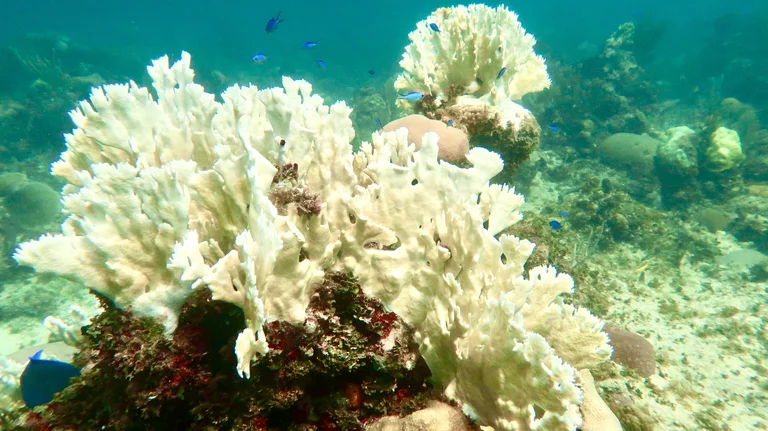
Coral bleaching occurs when sea temperatures rise above normal levels for an extended period. Corals are living animals that depend on microscopic algae called zooxanthellae, which live inside their tissues. These algae provide corals with food and their vibrant colors.
When water becomes too warm, corals become stressed and expel these algae, causing them to turn white or “bleached.” While bleached corals are not immediately dead, prolonged heat stress can weaken or kill them.
In Cuba, coral bleaching is most common during summer months, when ocean temperatures in the Caribbean rise significantly. Climate change has intensified marine heatwaves, making bleaching events more frequent and longer-lasting.
Areas along the north coast of Cuba, including Varadero, Playa Coral, and nearby reef systems, can experience seasonal bleaching when water temperatures remain high for weeks.
Other contributing factors include:
•Climate change and global warming
•Calm seas that reduce water circulation
•Increased sunlight exposure in shallow reefs
Despite these challenges, many Cuban reefs still show strong resilience compared to other parts of the Caribbean but only if they are protected.
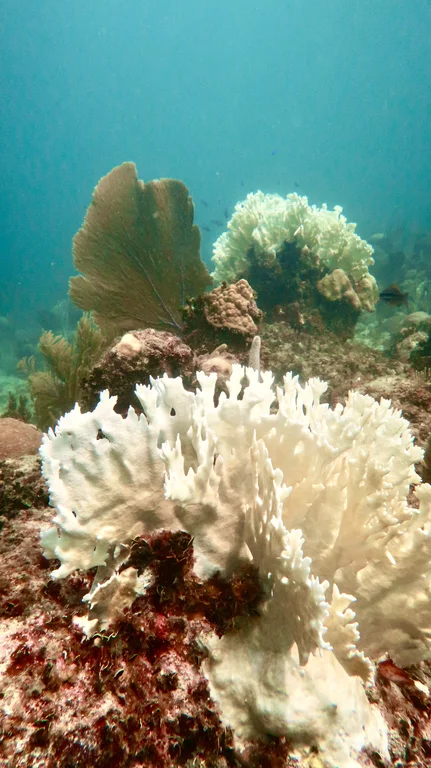
Coral reefs are essential to both marine life and coastal communities. In Cuba, reefs:
•Provide habitat for thousands of marine species
•Protect coastlines from erosion and storms
•Support sustainable fishing
•Drive eco-tourism and scuba diving industries
For dive centers like Scuba Vida, reef and wreck dives in Cuba are not only natural treasures they are the foundation of responsible marine tourism.
Yes, if conditions improve.
When water temperatures drop and stress is reduced, corals can regain their algae and recover. However, repeated bleaching events reduce their ability to heal. This makes human responsible diving practices more important than ever.
Reducing physical damage and pollution helps corals focus their energy on recovery rather than survival.
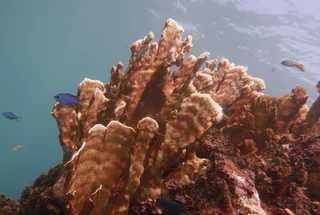
Everyone visiting the ocean can make a difference. At Scuba Vida, we encourage all divers and snorkelers to follow these reef-safe practices:
•Maintain good buoyancy control
•Never touch, stand on, or collect corals
•Avoid stirring up sand near reefs
Many common sunscreens contain chemicals harmful to corals. Choose reef-safe, biodegradable options or wear UV-protective clothing instead.
•Do not feed fish
•Observe wildlife from a distance
•Avoid chasing or handling animals
If you are thinking to Scuba diving in
Varadero
Choose dive centers committed to eco-friendly diving
practices, education, and reef
conservation.
Cuba’s reefs remain among the most preserved in the region thanks to marine protections, limited coastal development, and responsible tourism. Sustainable diving ensures these ecosystems remain healthy for future generations.
Coral bleaching is a visible reminder of how fragile marine ecosystems can be but also how much impact human behavior has on their survival.
At Scuba Vida dive center, we believe that education, respect, and responsible diving are key to protecting Cuba’s underwater world.
By choosing operators with eco-friendly dive practices in Varadero and adopting reef-safe habits, visitors help ensure Cuba remains a world-class diving destination.
Every dive is an opportunity to protect the ocean.
Scuba Vida protecting today’s reefs for tomorrow’s dives.
Join Scuba Vida for reef-safe, small-group dives led by experienced professionals who care deeply about ocean conservation.