By Scuba Vida Dive Center – Varadero, Cuba
Cuba’s coastline is home to coral reefs, seagrass habitats, mangroves, sea turtles, reef fish and pelagic species that make the island an extraordinary place to explore underwater.
For divers, that biodiversity comes with a responsibility.
Healthy marine ecosystems are affected by many pressures, including warming oceans, coral bleaching, marine debris, fishing pressure and physical damage to reefs. Coral reefs are particularly vulnerable to rising temperatures, which can increase the frequency and severity of bleaching events.
At Scuba Vida, conservation is part of how we approach diving.
This guide explains some of the marine life you may encounter in Cuba, the challenges facing ocean ecosystems, and the simple things divers and travelers can do to reduce their impact.
Why Cuba’s Ocean Matters
Cuba is surrounded by productive Caribbean waters and contains a wide variety of marine habitats.
Depending on where you dive, you may encounter:
• Coral reefs
• Rocky reef formations
• Seagrass areas
• Mangrove habitats
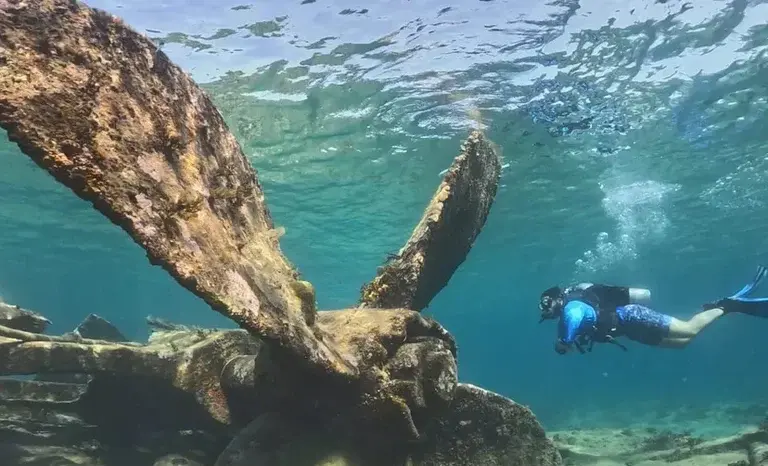
• Shipwrecks that have become artificial reef habitat
• Sea turtles
• Barracudas
• Groupers
• Snappers and grunts
• Moray eels
• Rays
• Sharks
For divers, the attraction is obvious.
But marine ecosystems are valuable for reasons far beyond tourism. Coral reefs provide habitat for marine species and support fisheries, coastal communities and tourism. Globally, coral reefs support a very large proportion of marine biodiversity despite covering a relatively small area of the ocean floor.
Protecting the underwater environment therefore benefits both marine life and the communities that depend on the sea.
1. Coral Reefs: The Heart of Cuba’s Underwater World
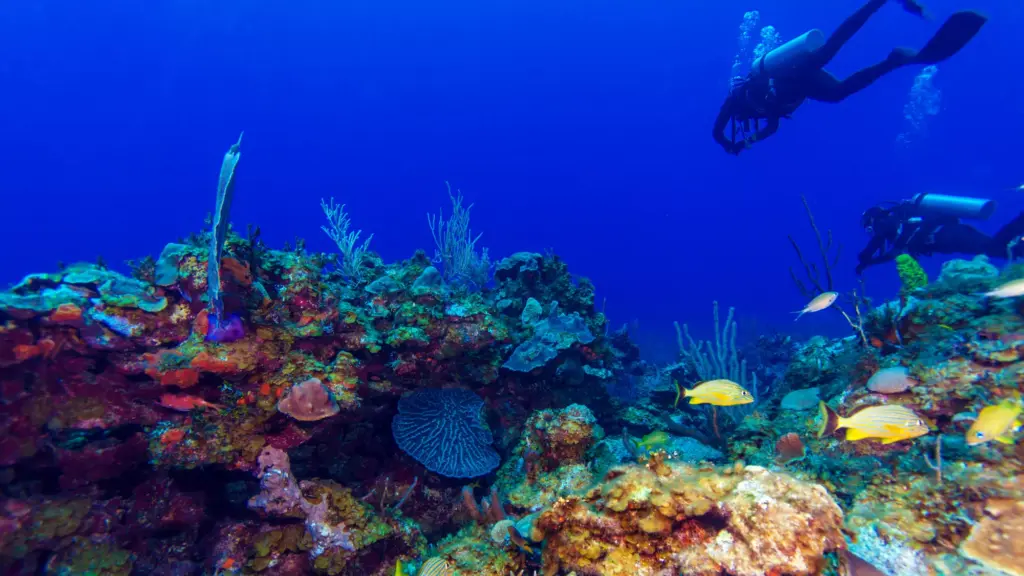
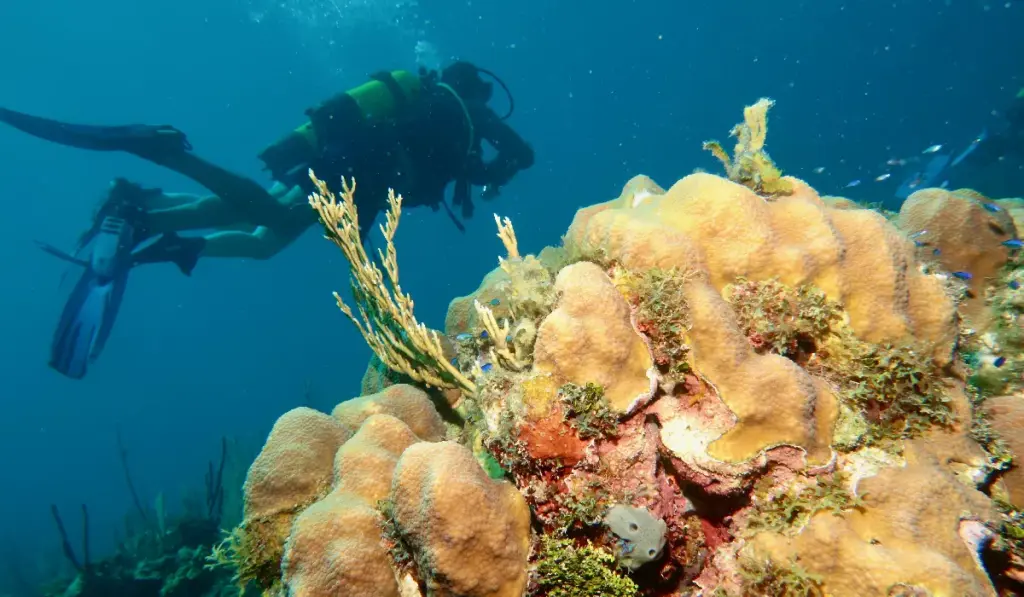
Coral reefs are among the most important habitats divers encounter around Cuba.
They provide shelter, feeding areas and nursery habitat for many marine organisms.
A single reef can contain:
• Hard corals
• Soft corals
• Sponges
• Sea fans
• Reef fish
• Crustaceans
• Moray eels
• Turtles
• Other invertebrates
Some of the most memorable diving around Varadero happens on relatively shallow reefs where divers can observe this interaction between coral structure and marine life.
What Threatens Coral Reefs?
Coral reefs face both local and global pressures.
Rising Sea Temperatures
Marine heatwaves and rising ocean temperatures can cause coral bleaching.
Bleaching occurs when stressed corals lose the symbiotic algae that provide much of their energy and color. Severe or prolonged bleaching can lead to coral mortality.
Marine Debris
Plastic and other debris can damage reefs or become entangled with marine animals.
Even a small piece of discarded fishing line can become a hazard for turtles, fish and other wildlife.
Physical Contact
Divers can unintentionally damage coral through:
• Poor buoyancy
• Kicking the reef with fins
• Holding onto coral
• Dragging gauges or equipment
• Standing on the bottom
• Getting too close while taking photographs
Good buoyancy is therefore not only a diving skill.
It is a conservation skill.
Fishing Pressure
Fishing is an important part of coastal livelihoods, but poorly managed or illegal fishing can put pressure on fish populations and reef ecosystems.
Pollution
Runoff, wastewater and marine debris can all affect coastal ecosystems.
Many of these problems are larger than anything an individual diver can solve, but responsible tourism can still make a meaningful contribution.
2. What Divers Can Do to Protect Coral Reefs
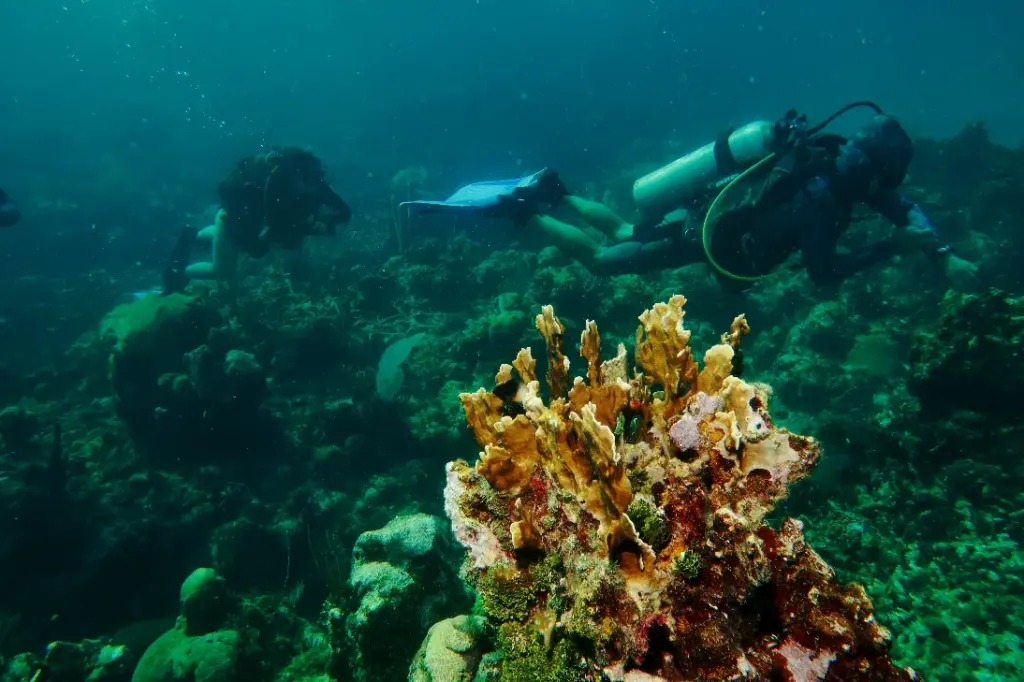
The easiest way to protect a reef is often simply to avoid touching it.
Practice Good Buoyancy
Before diving over delicate coral, make sure you can control your position in the water column without using the reef for support.
Keep Your Fins Off the Bottom
Be particularly careful in shallow areas, where a single fin kick can disturb sediment or break fragile organisms.
Secure Your Equipment
Keep gauges, cameras, hoses and other equipment streamlined so they do not drag across the reef.
Don’t Touch Coral
Even apparently solid coral structures can be living organisms.
Look, photograph and enjoy them without making physical contact.
Don’t Take Marine Life Home
A shell, piece of coral or other object may appear insignificant, but removing natural material contributes to the gradual degradation of the environment.
Take photographs, not souvenirs.
Be Careful With Sunscreen
One of the simplest ways to reduce what enters the water is to apply sunscreen well before swimming or diving and use physical protection such as rash guards, hats and long-sleeved clothing when practical.
If you do use sunscreen, follow local guidance and don’t assume that a product labelled “reef-safe” is automatically harmless to marine ecosystems.
3. Sea Turtles: Ancient Travelers of Cuban Waters
Sea turtles are among the most recognizable animals in the Caribbean.
Cuban research has documented several sea turtle species around the Cuban shelf, with green turtles, loggerheads and hawksbills among the most frequently encountered species. Other species occur less frequently.
For divers, seeing a turtle underwater can be an unforgettable experience.
But the best encounter is one where the turtle barely notices you.
How Divers Can Protect Sea Turtles
Keep Your Distance
Never chase a turtle to obtain a closer photograph.
Allow the animal to choose the distance.
Don’t Touch
Turtles are wild animals.
Do not touch, hold or ride them.
Don’t Block Their Path
If a turtle is swimming toward you, avoid positioning yourself directly in its path.
Move aside and let it continue naturally.
Be Careful Around Nesting Beaches
If you are visiting Cuba during nesting season, follow local guidance around nesting beaches.
Avoid disturbing nesting turtles and avoid unnecessary bright lights.
Don’t Buy Turtle Products
Never purchase turtle shells, carved turtle products or other souvenirs made from protected wildlife.
Hawksbill turtles are particularly vulnerable to illegal exploitation and habitat loss. The species is listed as endangered internationally, with threats including bycatch, habitat degradation, pollution and direct harvest.
4. Sharks in Cuba: An Important Part of the Ecosystem
Sharks are an important part of marine ecosystems and are among the species that make Cuban diving particularly memorable.
Depending on the location, divers may encounter different shark species, including bull sharks in Santa Lucía.
Sharks help structure marine food webs and are important predators in ocean ecosystems.
That is why responsible shark tourism should focus on observation, education and respect, rather than treating sharks simply as an attraction.
Related Reading
Shark Diving in Santa Lucía Cuba: Bull Sharks, Reefs & Wrecks
What Threatens Sharks?
Shark populations can be affected by:
• Overfishing
• Bycatch
• Illegal fishing
• Demand for shark products
• Habitat degradation
• Negative perceptions of sharks
The exact threats vary between species and locations.
How Divers Can Help
You can support shark conservation by:
• Choosing responsible shark-diving operators
• Learning about shark ecology
• Sharing accurate information
• Avoiding shark products
• Supporting marine conservation initiatives
• Treating sharks as wild animals rather than performing animals
A good shark encounter should leave you with a greater appreciation for the animal, not simply another photograph.
5. Marine Protected Areas and Conservation in Cuba
Marine protected areas are an important part of ocean conservation.
Cuba includes several significant protected marine environments, including areas associated with Jardines de la Reina and the Guanahacabibes Peninsula.
Protected areas can help conserve habitats and important marine populations when appropriate management, monitoring and enforcement are in place.
For divers, this means understanding that different sites can have different rules.
Some areas may restrict:
• Fishing
• Collecting marine life
• Anchoring
• Contact with wildlife
• Access to particular habitats
• Other activities that could damage sensitive ecosystems
Always follow the regulations and instructions provided by your local dive operator or the protected area authorities.
6. Eco-Friendly Diving: Small Actions Matter
You don’t need to be a marine biologist to become a more environmentally responsible diver.
Small changes in your behaviour can reduce your impact.
Before Your Dive
• Carry a reusable water bottle.
• Avoid unnecessary single-use plastic.
• Check your equipment so nothing can drag on the reef.
• Choose an operator that takes environmental responsibility seriously.
• Listen to the site briefing.
During Your Dive
• Maintain good buoyancy.
• Keep fins away from coral.
• Don’t touch marine life.
• Don’t chase animals.
• Don’t feed wildlife unless the activity is part of a professionally managed and appropriately regulated conservation or research program.
• Keep your equipment streamlined.
• Follow your guide’s instructions.
After Your Dive
• Don’t remove shells, coral or other marine material.
• Dispose of waste properly.
• Share responsible diving practices with other divers.
• Report significant marine debris or environmental problems to the appropriate local team.
Should You Pick Up Trash Underwater?
If you see a small piece of obvious marine debris and can safely remove it without touching coral or disturbing wildlife, collecting it can be helpful.
But do not turn a dive into a clean-up operation without proper planning.
Fishing line, nets, heavy objects and potentially hazardous materials can injure divers or damage the reef when removed incorrectly.
Your safety comes first.
7. Responsible Underwater Photography
Photography is one of the best ways divers can share their appreciation for the ocean.
It can also create pressure on marine life if photographers prioritize the perfect image over the animal’s welfare.
A few simple rules help:
• Never chase animals for photographs.
• Don’t block an animal’s escape route.
• Don’t touch coral to steady yourself.
• Don’t move marine life for a better composition.
• Avoid repeated flashes or lights when they could disturb an animal.
• Maintain good buoyancy while photographing.
• Give other divers space.
The best wildlife photograph is one that documents natural behaviour.
8. Scuba Vida’s Commitment to Ocean Conservation
At Scuba Vida, protecting the ocean isn’t optional.
It is part of our responsibility as a local dive operation.
Our conservation approach includes:
Small Diving Groups
We keep groups manageable so guides can provide better supervision and help divers maintain good environmental practices.
Zero-Touch Diving
We encourage divers to observe marine life without touching coral, animals or other underwater structures.
Conservation From Day One
We teach new divers that buoyancy and reef awareness are part of being a responsible diver.
Reducing Plastic
We work to reduce unnecessary single-use plastic at the dive center and encourage reusable alternatives.
Local Knowledge
Our guides share knowledge about local marine life, dive sites and conditions.
Supporting Clean-Ups
We support efforts to remove marine debris in the Varadero and Matanzas areas when appropriate opportunities arise.
Responsible Site Selection
We choose dive sites according to conditions, diver experience and environmental considerations rather than simply sending every group to the same location.
No Feeding or Provoking Marine Life
We believe wildlife encounters should respect natural animal behaviour.
9. Why Local Knowledge Matters
Conservation is not only about large protected areas and international agreements.
It is also about what happens during an individual dive.
A local guide can help you understand:
• Where coral is particularly fragile
• Which areas are suitable for beginners
• Where currents may affect the dive
• How to approach marine life
• Which sites are appropriate for photography
• When conditions make another site a better choice
That local knowledge can make a real difference.
And sometimes the most environmentally responsible decision is simply to change the dive site.
10. Why Marine Conservation Matters for Future Generations
Healthy oceans support far more than diving.
Marine ecosystems contribute to:
• Fisheries
• Tourism
• Coastal livelihoods
• Biodiversity
• Food security
• Coastal protection
• Scientific research
• Cultural heritage
Coral reefs in particular provide important ecological and economic services, while climate change is increasing pressure on reef ecosystems worldwide.
For divers, this creates a simple responsibility.
We should want the reef we see today to still be there for the diver who visits twenty years from now.
The Ocean Needs You
Whether you are exploring a shallow coral reef at Playa Coral, diving the deeper waters of Varadero, meeting sea turtles, photographing reef fish or experiencing bull sharks in Santa Lucía, your behaviour matters.
You don’t need to change the entire world to become a better ocean ambassador.
Start with the dive in front of you.
Control your buoyancy.
Keep your hands off the reef.
Give wildlife space.
Take photographs, not souvenirs.
Reduce unnecessary plastic.
Choose responsible dive operators.
And most importantly:
Leave the underwater world at least as healthy as you found it.
At Scuba Vida, we believe responsible diving is simply part of being a good diver.
If you dive with us, we hope you leave Cuba with not only great memories, but also a deeper understanding of the ocean we are fortunate to explore every day.
Explore Scuba Vida’s Diving Experiences
Discover Varadero’s reefs, wrecks, marine life and shore-diving sites with a local dive team.
Related Articles
• Best Time of Year to Dive in Cuba
• Playa Coral Cuba: Snorkeling & Shore Diving Near Varadero
• Shark Diving in Santa Lucía Cuba: Bull Sharks, Reefs & Wrecks
• Top 5 Coral Reef Dive Sites in Matanzas Province, Cuba
• Snorkeling vs Scuba Diving: Which Is Right for You in Cuba?
• Diving Between Matanzas and Havana: Cuba’s Wild North Coast
About Scuba Vida
Scuba Vida is a local dive operation based in Varadero, Cuba, offering scuba diving, snorkeling and guided underwater experiences along the Cuban coast.
Our approach combines local knowledge, small groups, responsible diving and careful site selection to help divers experience Cuba’s underwater world while respecting the environment.