- Englishen
- Deutschde
- Españoles
- Françaisfr
OUT OF YOURSELF AND INTO THE TEAM
The northern coast between Varadero and Matanzas hides several lesser-known dive sites that offer excellent reef diving nearby Varadero and fascinating underwater landscapes. While many visitors focus on the famous reefs of Varadero, our local divers at Scuba Vida know that this stretch of coastline holds a collection of unique spots worth exploring.
From living coral reefs to a historic shipwreck, these dive sites offer a mix of marine life, underwater structure, and peaceful conditions. Four of the most interesting sites in this area are Pinos de Camacho, El Cayuelo, the Damuji wreck, and Playa Coral.
Each dive reveals a different side of Cuba’s underwater world.
Here’s our local guide to the best shore diving spots near Varadero.
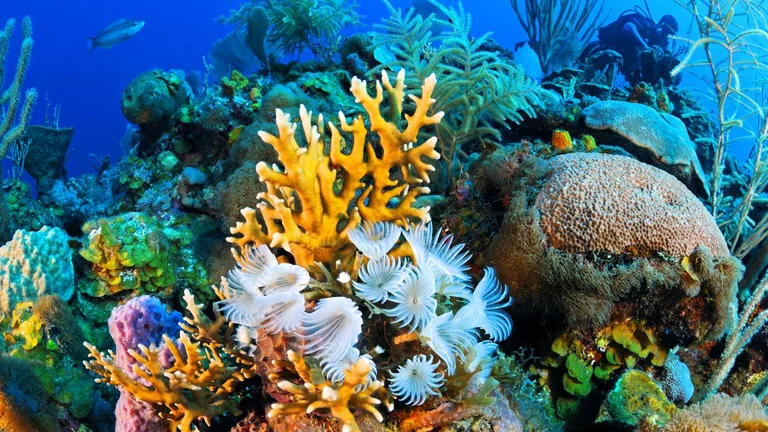
•Located near Varadero
•Gentle slopes, sandy patches, and coral heads
•Rich variety of tropical fish
Pinos de Camacho is one of those dive sites that quietly rewards divers who take the time to explore it. The reef begins gently, with coral patches and sandy areas that gradually lead into more structured formations.
As divers move deeper, coral heads and rocky ledges create a natural reef habitat where reef fish gather. Schools of grunts and snappers often hover above the reef while angelfish and parrotfish move among the coral structures.
The dive is typically relaxed, making it suitable for divers who enjoy exploring reefs at a slower pace. Visibility can be very good, and the reef structure provides plenty of small details to discover from hidden lobsters to curious trumpetfish.
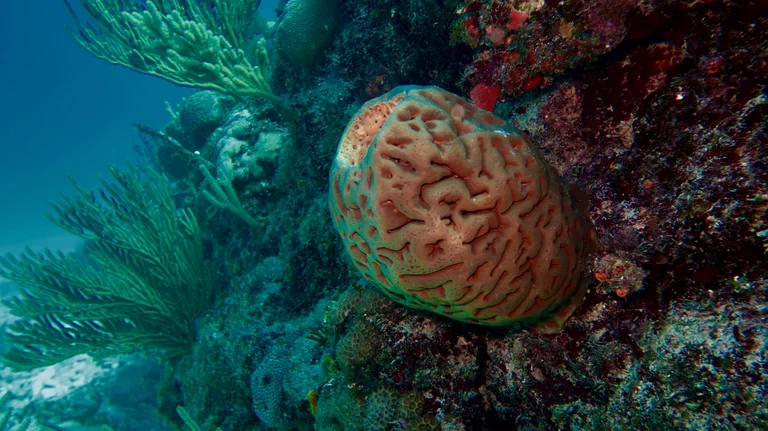
What makes Pinos de Camacho memorable is its calm atmosphere. Without crowds, divers can simply enjoy the rhythm of the reef.
El Cayuelo offers a lively underwater environment where marine life is often the highlight of the dive. From the moment divers descend, fish activity around the reef is usually noticeable.
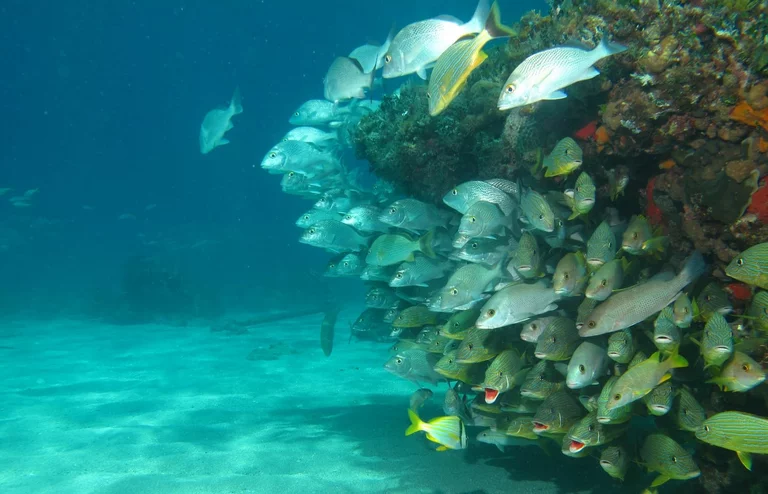
The underwater terrain includes coral ridges, rocky formations, and sandy channels that create natural corridors across the reef. These areas attract schools of reef fish, including snappers and grunts that move slowly through the water column.
Rays may sometimes be seen resting on sandy patches, while groupers tend to stay close to the reef structure. The variety of terrain makes the site interesting for underwater photography and exploration.
Diving El Cayuelo often feels dynamic, with marine life constantly moving through the reef landscape.
Shipwreck dives always carry a sense of mystery, and the Damuji wreck is no exception.
Resting on the seabed between Varadero and Matanzas, the vessel has slowly transformed into an artificial reef. Over time, coral growth, sponges, and marine organisms have covered much of the structure, turning it into a habitat for many reef species.
Schools of fish frequently gather around the wreck, using the structure for shelter. Divers exploring the site can swim alongside the hull and observe how the ship has blended into the surrounding reef environment.
The Damuji is both a historical site and a thriving marine ecosystem, making it one of the most interesting dives in the region.

•Shallow reef, calm water
•Colorful fish & healthy coral
•Easy entry from the beach
🪸 One of the few sites you can actually snorkel from shore near Matanzas, Playa Coral is a true coral reef garden. Here, coral heads start shallow and extend to about 16 m depth, offering exceptional snorkel and dive options with more than 30 species of coral, abundant reef fish, and photogenic channels and mini-caves. It’s perfect for both beginner divers and underwater photographers.
Playa Coral is one of the most accessible reef environments on Cuba’s north coast. Located along the road between Matanzas and Varadero, it allows visitors to reach a coral reef just a short swim from shore.
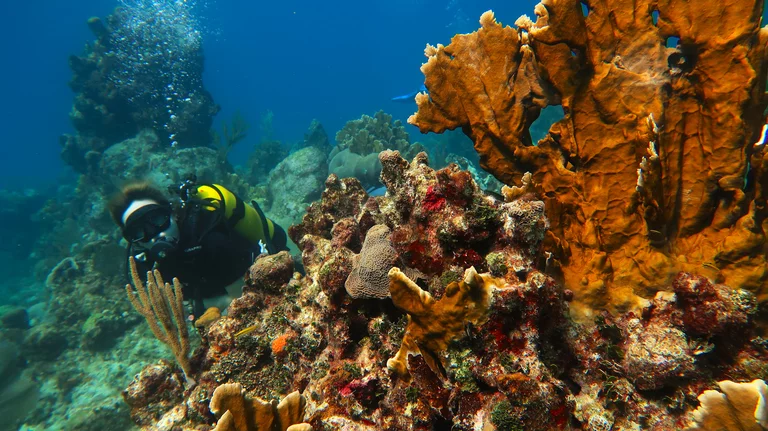
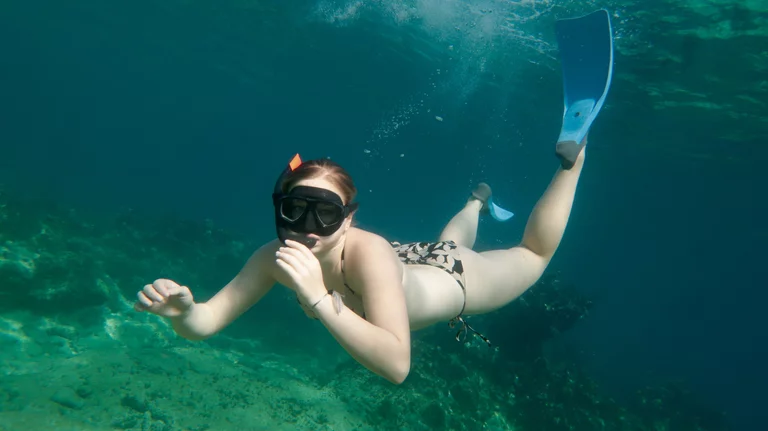
The reef begins in relatively shallow water where coral heads and reef fish are easy to observe. Because sunlight penetrates the entire area, the reef is especially vibrant, making it a popular location for snorkeling and underwater photography.
Despite its accessibility, Playa Coral still offers rewarding dives. Moving slightly deeper reveals additional coral formations and marine life that many visitors never notice from the surface.
For divers and snorkelers alike, Playa Coral offers an easy way to experience the beauty of Cuba’s reefs.
The coastline between Varadero and Matanzas offers more than beautiful beaches. Beneath the surface lies a collection of dive sites that showcase the diversity of Cuba’s marine environment.
From the peaceful reefs of Pinos de Camacho and El Cayuelo, to the historic Damuji wreck, and the vibrant coral formations of Playa Coral, this region offers something for every diver.
Exploring these sites reveals a quieter side of Caribbean diving one where reefs, marine life, and history come together beneath clear tropical waters.
Written by Scuba Vida Dive Center, local dive guides exploring the reefs of Varadero and Matanzas
These dive sites are just a few of the many underwater locations along Cuba’s northern coastline. If you are planning a diving trip to Varadero and want to explore reefs, wrecks, and marine life beyond the usual sites, we would be happy to help.
👉 Learn more about our diving trips in Varadero or contact us for details
Scuba Vida Dive Center is a professional dive operation based in Varadero, Cuba, dedicated to exploring and sharing the underwater beauty of the island’s northern coast. Our team of experienced dive guides regularly visits reef and wreck sites between Varadero and Matanzas, documenting marine life, coral formations, and lesser-known dive locations.
Through our Dive Journal, we aim to provide divers with helpful guides, local knowledge, and insights into the reefs and ecosystems that make Cuban diving unique.
If you would like to learn more about diving in this region or plan your next underwater adventure, our team is always happy to help.
👉 Explore more dive guides or contact Scuba Vida Dive Center to plan your next dive in Varadero. 🤿🌊
What are the best dive sites between Varadero and Matanzas?
Some of the most interesting dive sites along this stretch of Cuba’s north coast include Pinos de Camacho, El Cayuelo, the Damuji wreck, and Playa Coral. These sites offer a variety of underwater experiences, from coral reefs and abundant marine life to the exploration of a historic shipwreck that has become an artificial reef.
What marine life can divers see in this area?
Divers exploring reefs between Varadero and Matanzas can encounter a wide range of Caribbean marine life. Common sightings include angelfish, parrotfish, groupers, snappers, and schools of grunts. Lobsters are often found hiding within reef crevices, and rays may occasionally be seen resting on sandy areas near the reef structures.
Is Playa Coral good for beginner divers?
Yes. Playa Coral is one of the most accessible reef locations on Cuba’s north coast. Because the reef begins relatively close to shore and the depths are moderate, it is suitable for both beginner divers and snorkelers who want to explore a vibrant coral environment.
Can divers explore the Damuji wreck?
Yes. The Damuji wreck is a popular dive site where divers can observe a ship that has gradually transformed into an artificial reef. Over time, corals, sponges, and marine life have colonized the structure, creating an interesting habitat for fish and other species.
When is the best time to dive in Varadero and Matanzas?
Diving conditions along Cuba’s north coast are generally good throughout the year. Visibility is often excellent, and water temperatures remain warm for most of the year. The calmer months are typically from spring through early autumn, although diving is possible year-round depending on weather conditions.
How can I dive these sites?
Divers visiting the region can explore these reefs and wreck sites through local dive operators based in Varadero. Guided dive trips help ensure safe navigation of the sites and allow divers to discover the most interesting features of each location.
👉 Contact Scuba Vida Dive Center to learn more about diving these sites.