- Englishen
- Deutschde
- Españoles
- Françaisfr
OUT OF YOURSELF AND INTO THE TEAM
As you travel west fromtoward , the coastline changes dramatically. The long sandy stretches of Varadero give way to rocky cliffs, hidden coves, and deeper offshore reefs, creating a very different diving experience.
This part of Cuba’s north shore is less explored, but for divers willing to venture here, it offers walls, wrecks, and raw Atlantic conditions that feel far more untouched.
Closer to the city of Matanzas, diving takes on a different character in Matanzas Bay.
•Depth: Up to 30 m (100 ft)
•Type: Wall dive with reef and sponge growth
•Entry: Often from shore or small boat
•A mix of natural reef and industrial surroundings
•Coral and sponge-covered structures
•Less fish life, but interesting topography
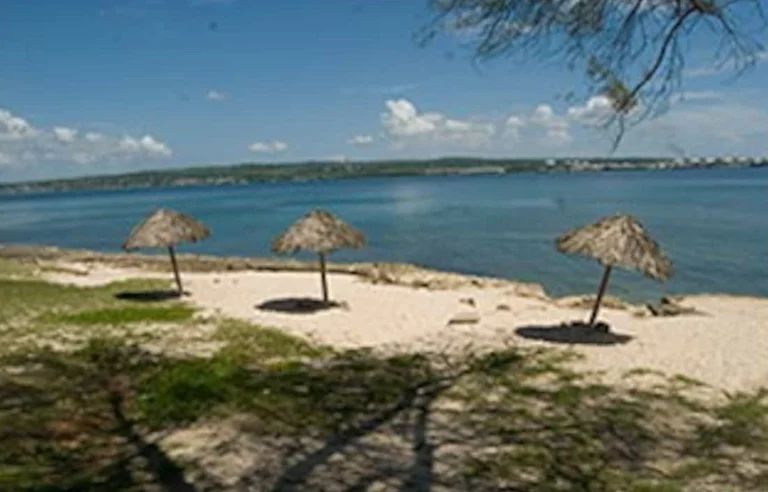
It’s not the most pristine site, but definitely one of the most unusual and memorable dives in the region.
Moving further west, the coastline is dotted with lesser-known reef areas like Punta Sabanilla and small unnamed dive spots used by local operators.
•Depth: 10–18 m
•Type: Coral gardens and reef patches
•Conditions: Generally calm, but exposed to open ocean
•Healthy coral colonies and gorgonians
•Schools of reef fish in quieter areas
•Very low diver traffic, giving a more natural feel

These dives are not heavily commercialized, which makes them ideal for divers looking for a more authentic Cuban reef experience.
Located near the iconic , this is one of the most interesting dive zones between Matanzas and Havana, and a natural transition from reef diving to more advanced topography.
•Depth: 10–20 m (33–65 ft)
•Type: Reef slope and wall beginnings
•Level: Open Water to Advanced
•Coral slopes transitioning into deeper drop-offs
•Sea fans, sponges, and reef fish
•Occasional stronger surge depending on weather
This area stands out because of its combination of scenery above and below water cliffs, valleys, and ocean all meeting in one place.
West of Bacunayagua, the coastline around Jibacoa and nearby coves features scattered reef systems and coral patches.
•Depth: 10–20 m
•Type: Coral gardens and rocky reef
•Access: Often shore or short boat dives
•Quiet, low-traffic dive spots
•Coral heads mixed with rock formations
•Natural, less disturbed marine life
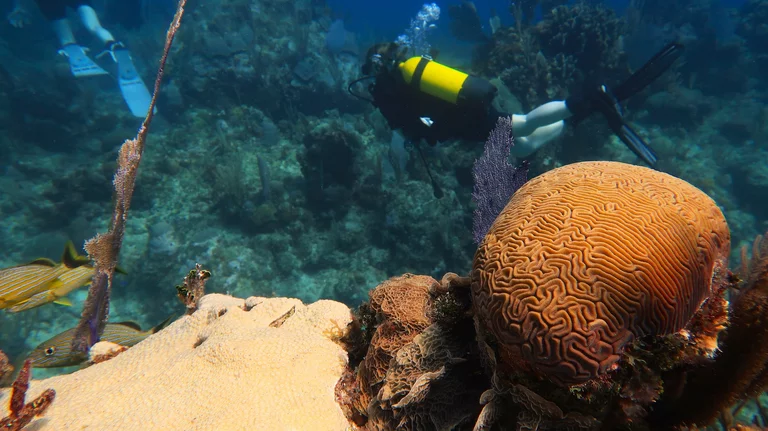
This area is not heavily mapped in dive guides, but it’s known locally for simple, authentic reef diving away from tourist crowds.
As you approach , the diving becomes more structured again, especially around wrecks and reef systems.
•Spanish warship sunk in 1895
•Depth: 22–25 m
•Covered in coral, sponges, and fish
•Best suited for advanced divers
•Mix of reef, caves, and small wrecks
•Suitable for different skill levels
•Broken merchant ship turned artificial reef
•Strong marine life presence
Across the Havana coastline, there are more than 30 dive sites, ranging from shallow reefs (5 m) to deeper wrecks (35 m), offering one of the most diverse dive zones in northern Cuba.
Compared to be diving in Varadero and Boca de Camarioca, diving between Matanzas and Havana is:
•Less commercialized
•More exposed to open ocean conditions
•More varied in structure (reefs, slopes, walls, wrecks)
•Less coral-dense in some areas, but more rugged
•Parrotfish, snappers, groupers
•Moray eels and lobsters
•Gorgonians, sponges, and reef formations
•Occasional larger pelagic species
This stretch isn’t about perfect visibility or postcard reefs, it’s about exploration.
•Fewer divers
•Less mapped sites
•More natural, untouched feeling
It’s the kind of coastline where dives feel local, real, and slightly unpredictable and that’s exactly what makes it special.
This part of Cuba isn’t polished and that’s exactly why it’s worth diving. Between Matanzas and Havana, the ocean feels wilder, less defined, and more personal. It’s the kind of coastline where every dive depends on conditions, local knowledge, and curiosity that’s what makes it unforgettable
If you’re looking to go beyond the typical dive routes and experience a more authentic side of Cuba, this stretch between Matanzas and Havana delivers exactly that.
At Scuba Vida, we explore not only the well-known sites but also the hidden corners of Cuba’s coastline always adapting to conditions to give you the best possible dive experience.
👉 Get in touch to plan your dive adventure
👉 Ask about combining Varadero, Boca de Camarioca, and this north coast route
👉 Perfect for certified divers looking for something different
Because here, diving isn’t just about the site it’s about discovering what’s out there.
